mallika sarabhai elle decor india
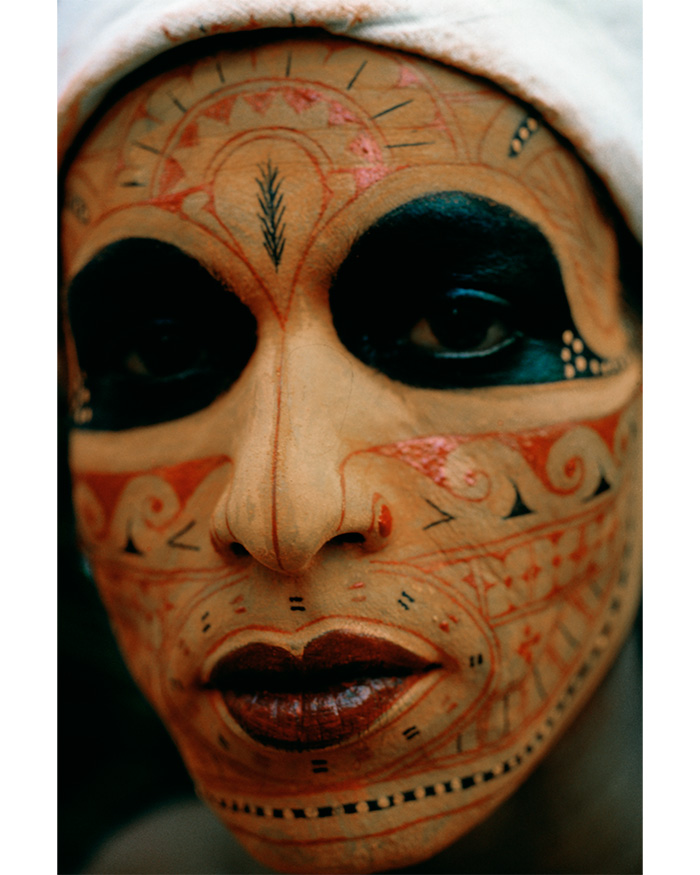
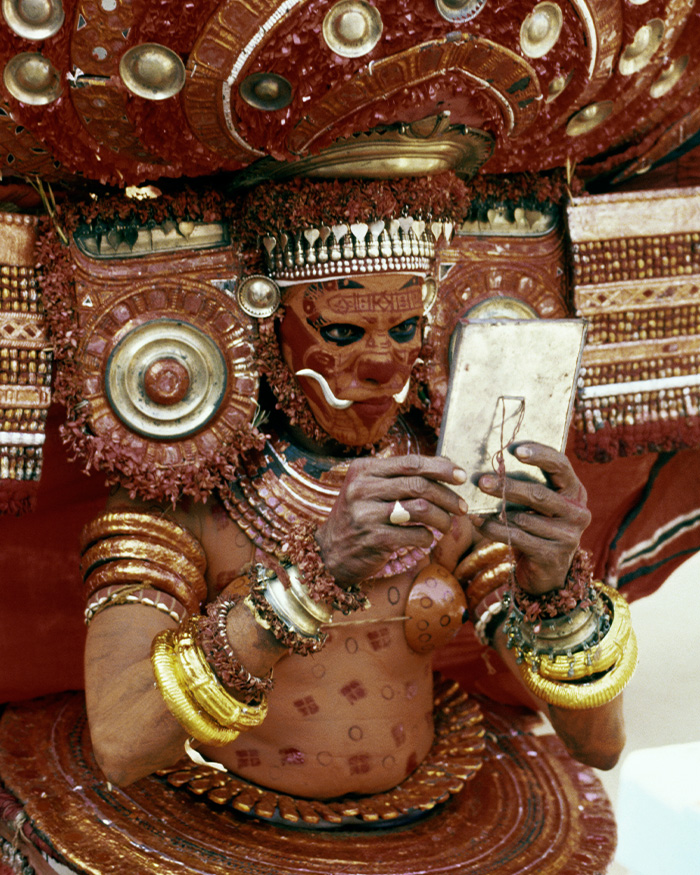
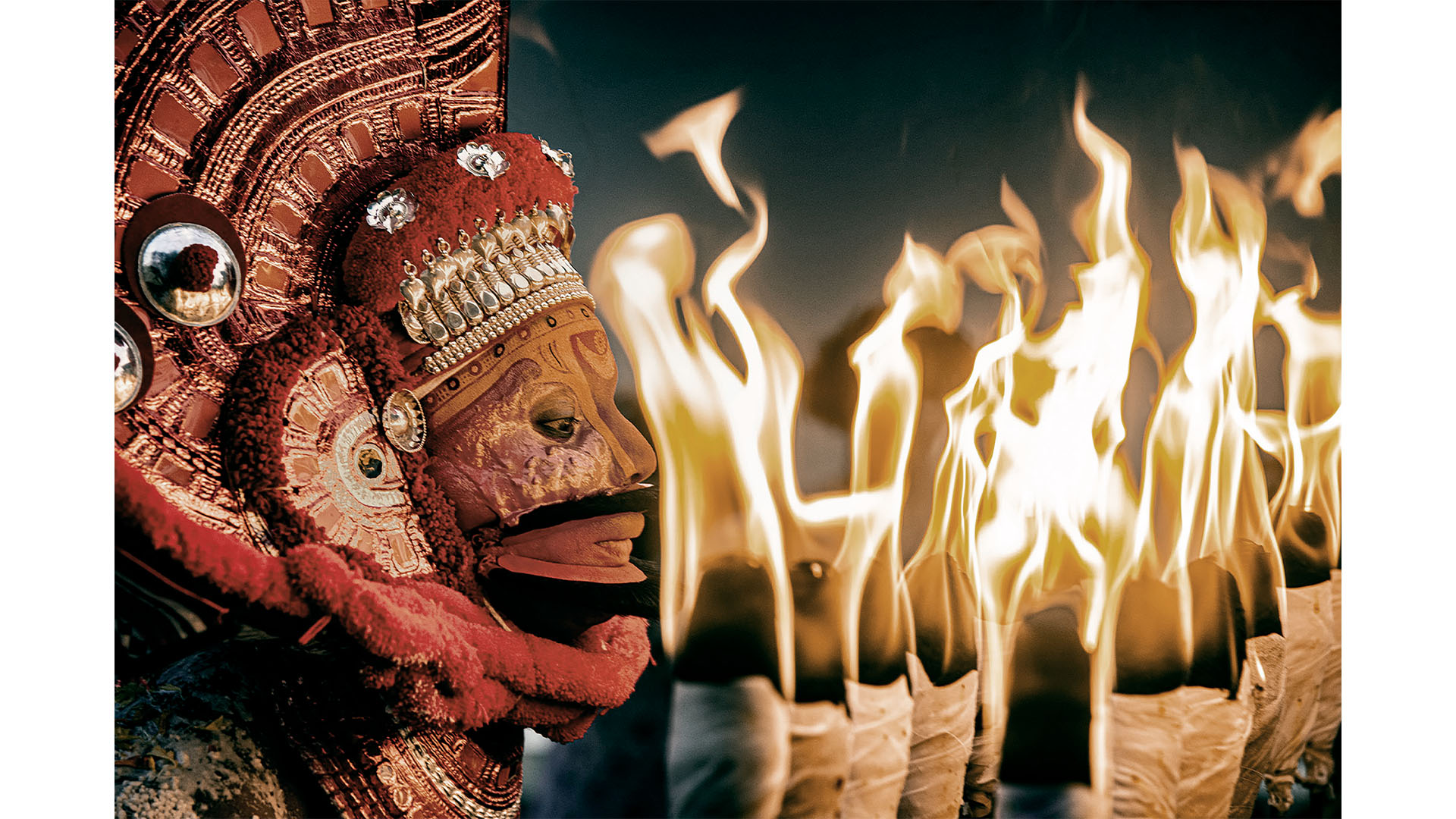
Theyyam dissolves the man into the invoked presence; Photographs by Arun Saha

Anniversary issue: Mallika Sarabhai on maximalism and divinity
Hear from a foremost voice of the performing arts on India's culture of spectacles from ritual and dance to sport

BY

India has always blurred the lines between ritual, performance and sport. Each is an offering, a form of worship — to gods, to nature, to community. Across its many regions, moments arise when hundreds, even thousands, move together in colour, rhythm, devotion and competition. Beyond performances to be watched; they embody collective memories, beliefs and beauty.

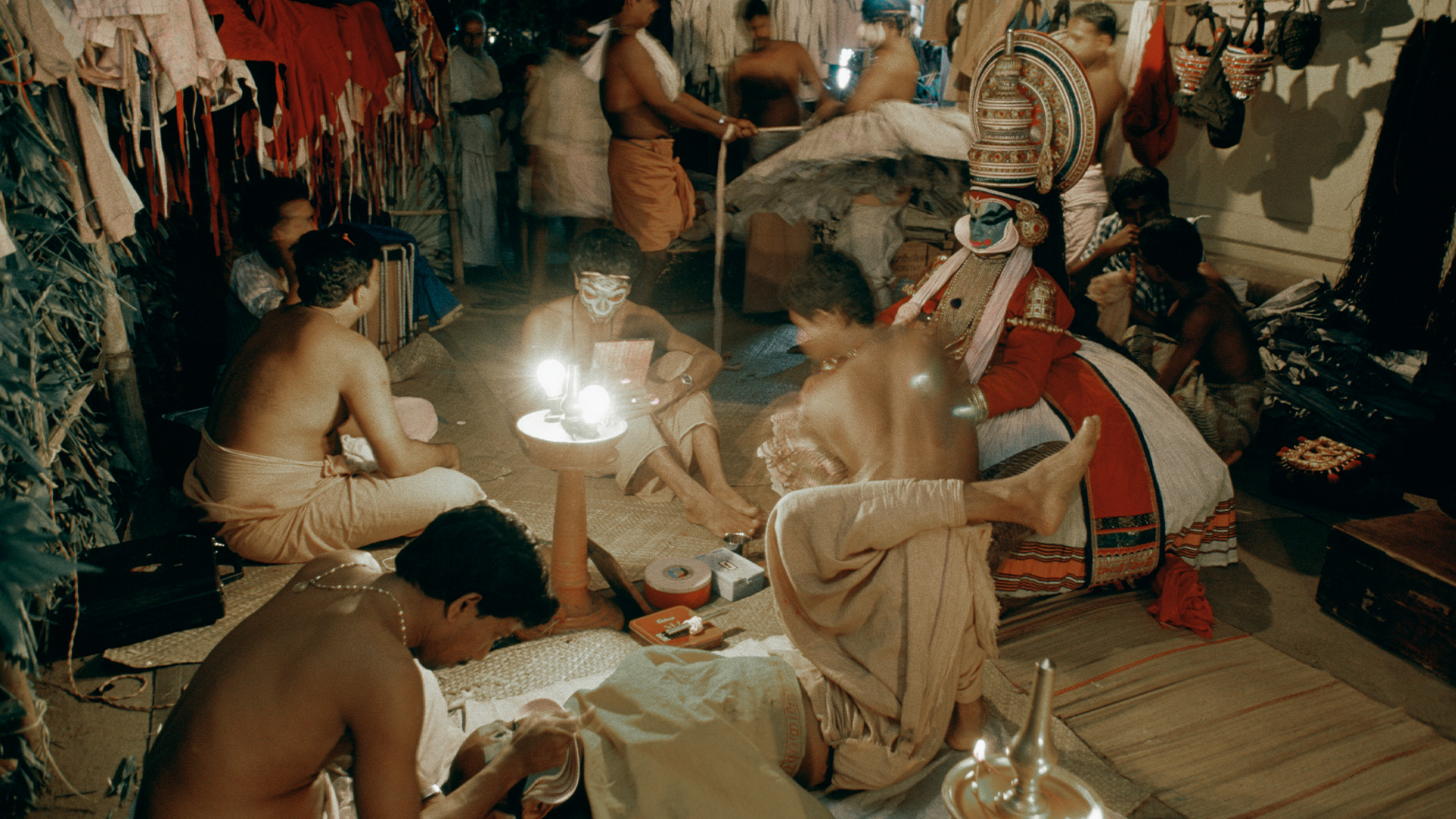
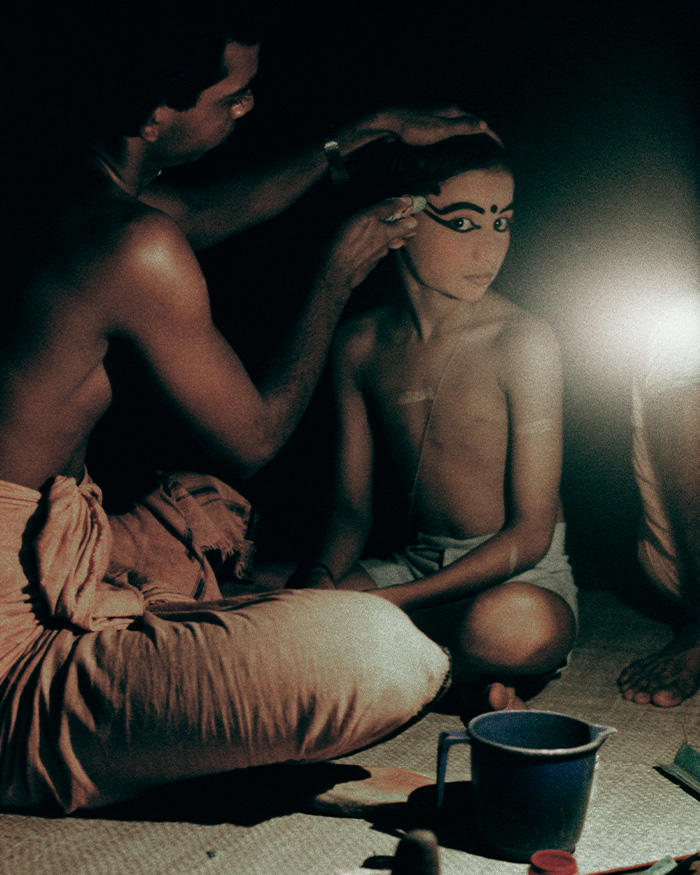
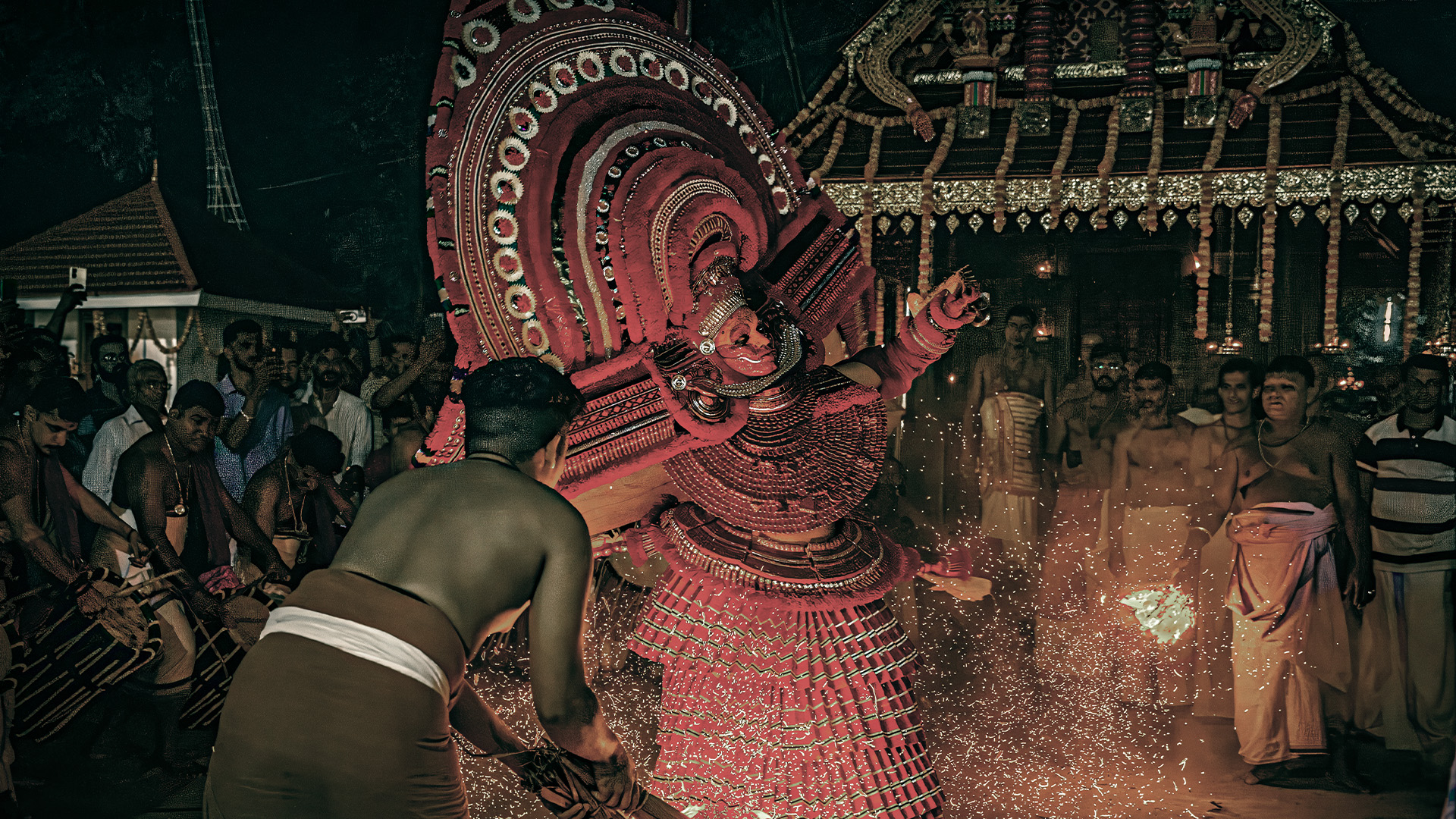
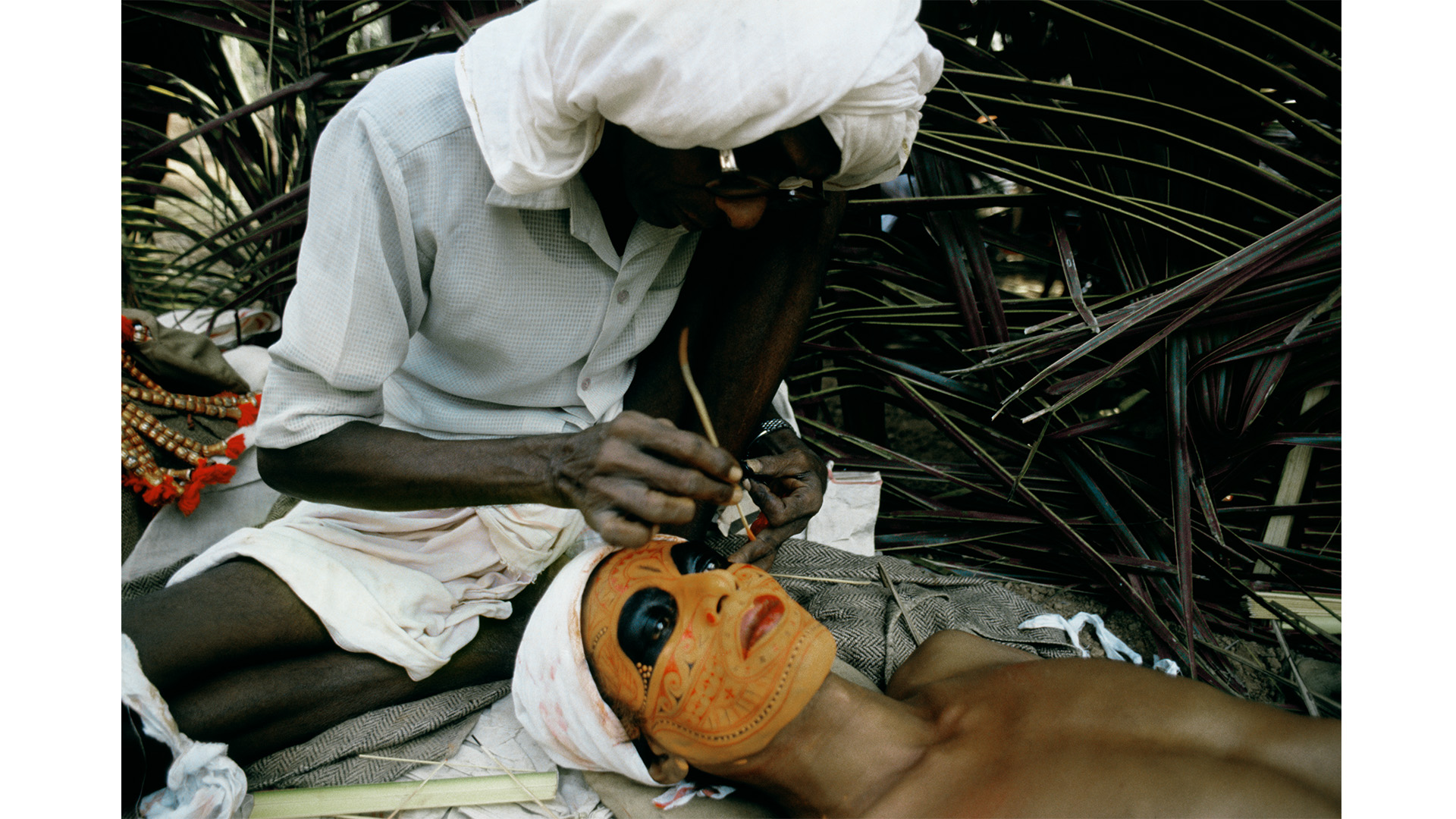
In the lush greens of North Kerala, as dawn seeps into the coconut groves, drums begin to thunder. The Theyyam performers — men transformed into gods — emerge from the sacred groves painted in red, black and white. Their faces are no longer their own; they are divine. The body becomes a canvas of intricate design, the headgear towers like a temple spire and as the chenda beats grow urgent, the man beneath disappears entirely.

"The goddess is both born and unmade in that act — a lesson in the cyclical nature of all existence. Creation, destruction, renewal; art that is philosophy"

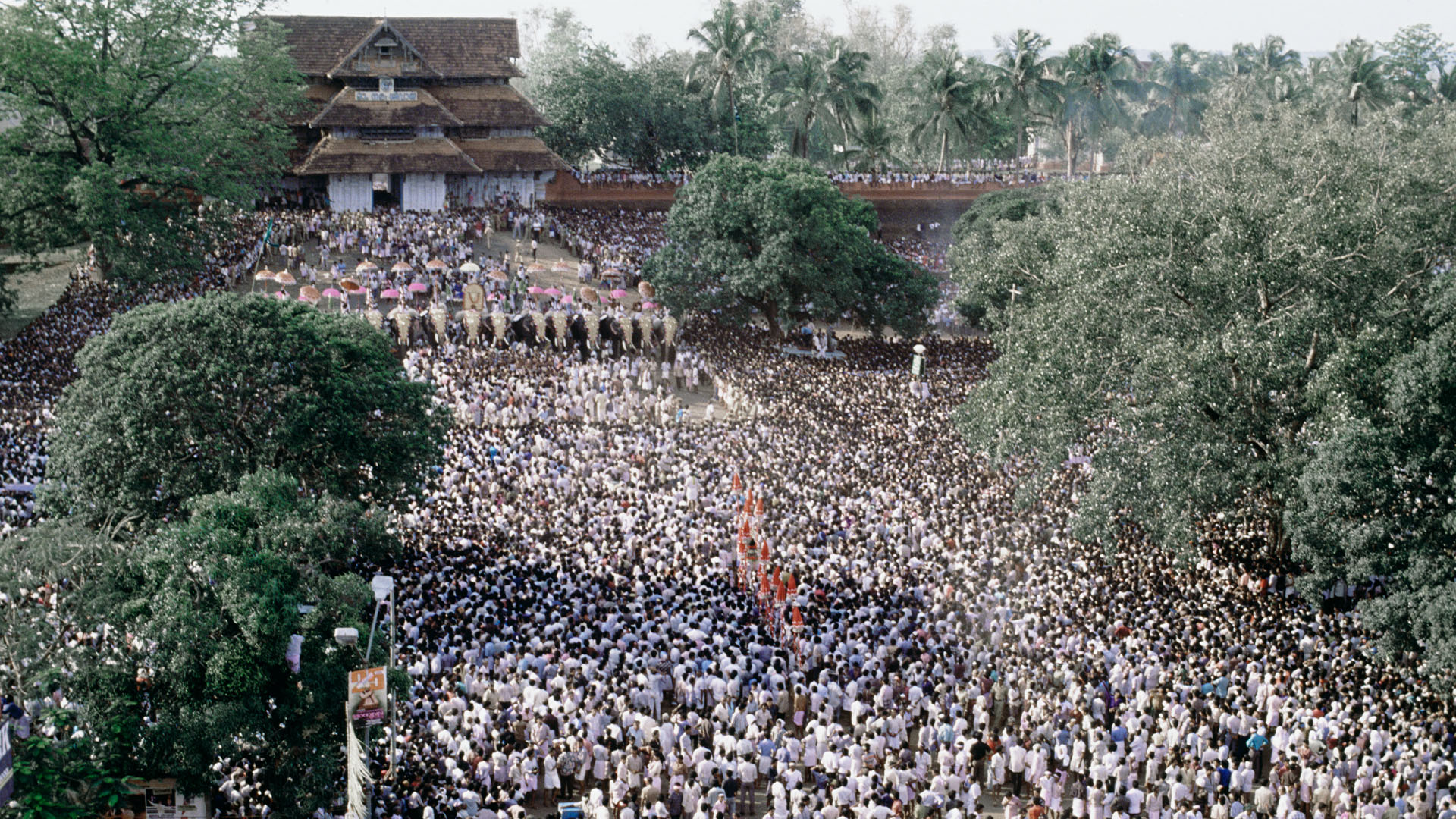
Thrissur Pooram is Kerala’s grand festival of festivals; Photograph by Pankaj Shah

Theyyam collapses the distance between ritual and reality, where the performer ceases to perform and becomes the invoked presence itself. Each movement carries the weight of centuries, of caste hierarchies momentarily upturned, of villages gathered to receive prophecy and blessings. In those moments, performer and deity merge and performance becomes prayer.

Far away, in the extreme east of India, in the valley of Manipur, another kind of ritual unfolds — Lai Haraoba, the merrymaking of the gods. Hundreds of couples, dressed in traditional white and brilliant silk, move together in precise, slow choreography.

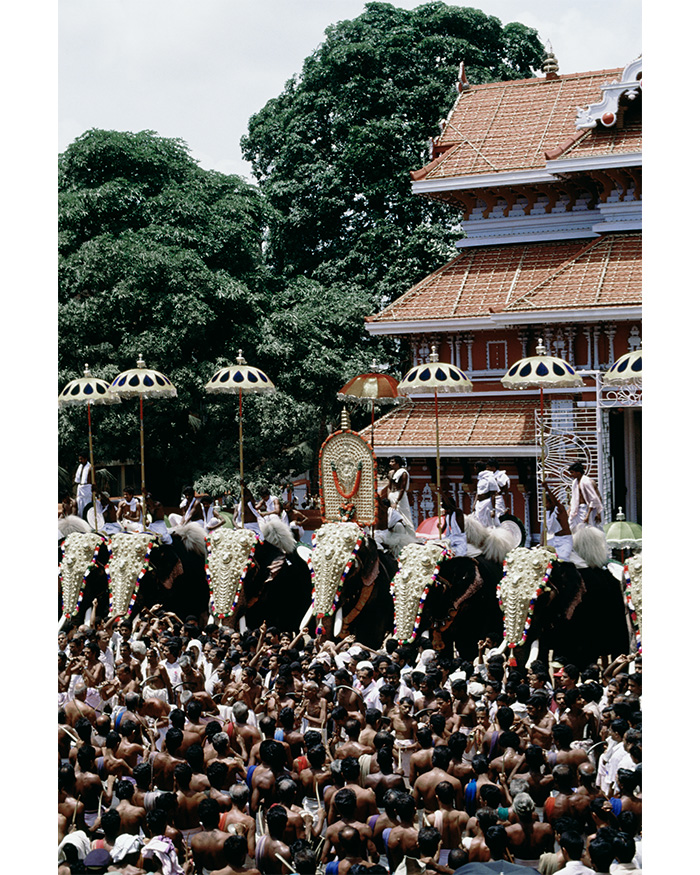
Thrissur Pooram is Kerala’s most spectacular temple festival. It is a thunderous day of caparisoned elephants, blazing parasols, rolling chenda drums, and fireworks that turn Thrissur into a living procession; Photograph by Pankaj Shah
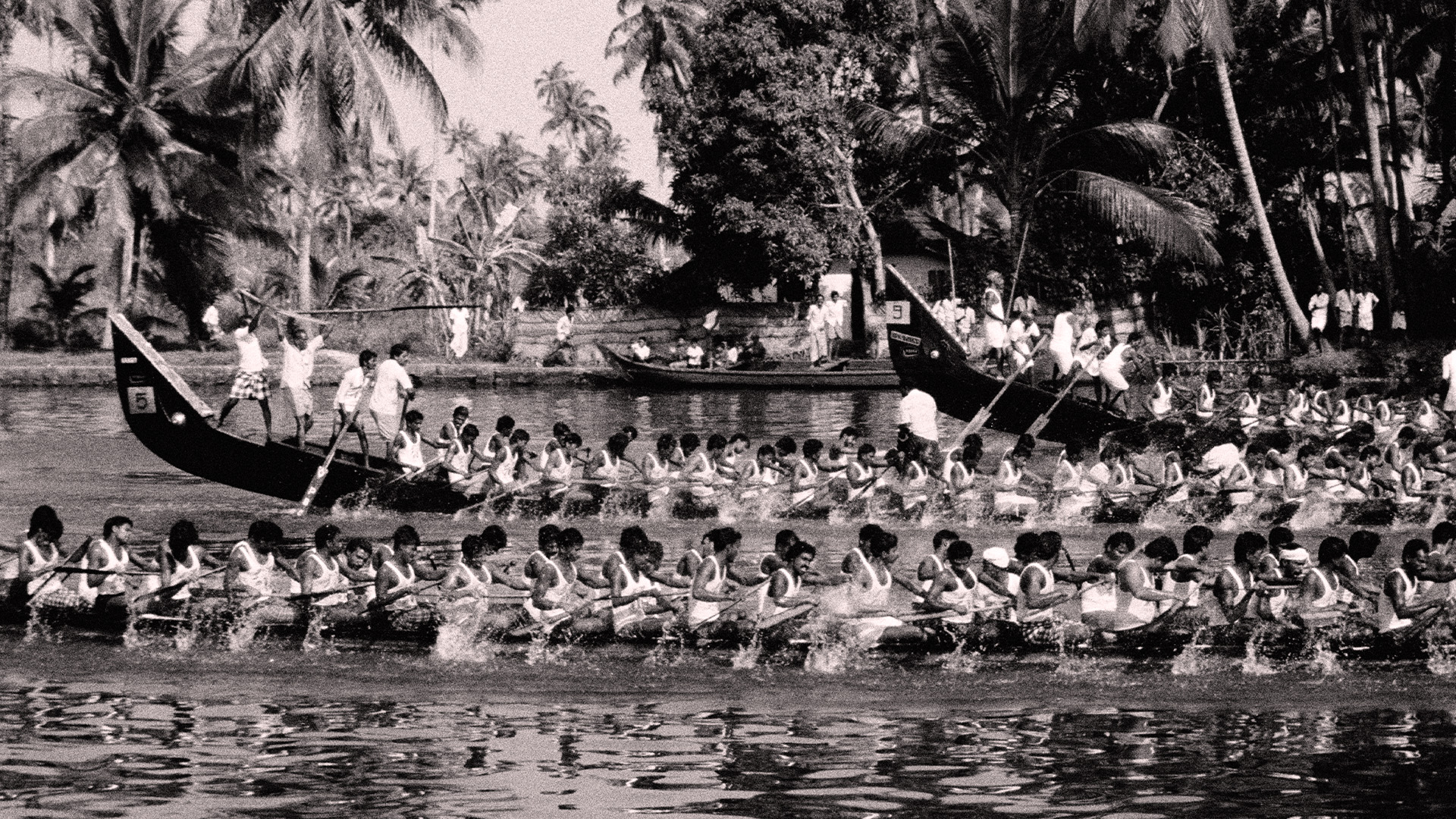
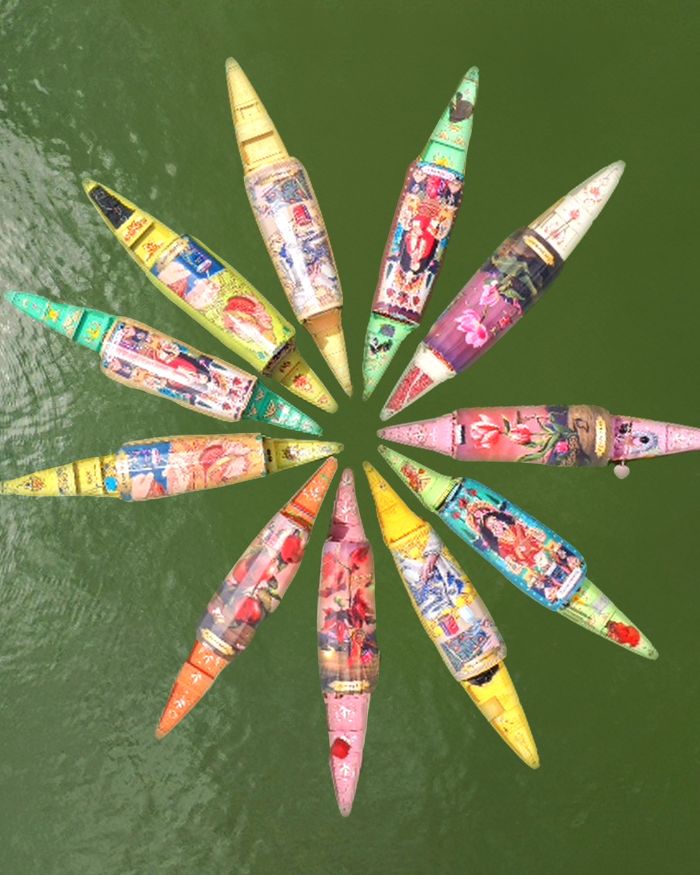
Vallamkali, the famed snake boat race transforms quiet waterways into thundering arenas; Photograph by Pankaj Shah

Every gesture is codified, every circle drawn in the air, a remembrance of creation itself. The deities of the Meitei pantheon are believed to have danced thus to create the world — and so the people dance to remind themselves of their origins. The music, the chanting, the gentle sway of bodies in unison — all speak of a harmony between human and divine. There is no stage here, no separation between audience and performer. The village is the theatre, and the gods its audience.

The body becomes a medium of prayer that is painted and adorned, wherein performance becomes a form of devotion; Photograph by Pankaj Shah

In Kerala again, but this time in a different register, the spectacle shifts from temple courtyard to the backwaters. Vallamkali, the famed snake boat race, transforms quiet waterways into thundering arenas of power and rhythm. Over a hundred rowers in each long, slender boat move as one body — their oars striking water in perfect unison to the pulsing chant of the Vanchippattu. The energy is electric, the coordination almost impossible, yet achieved year after year. It is sport, yes, but also ritual — each race dedicated to a deity, each victory an offering. The precision, the physicality, the sheer visual splendour make it a performance as grand as any staged drama.

The body becomes a medium of prayer that is painted and adorned, wherein performance becomes a form of devotion; Photograph by Pankaj Shah
Theyyam dissolves the man into the invoked presence; Photograph by Arun Saha

And then comes Thrissur Pooram, Kerala’s grand festival of festivals. Here, ritual becomes spectacle on a scale that overwhelms the senses. Scores of caparisoned elephants line up in front of the Vadakkumnathan Temple, each carrying on its back a golden nettipattam, a silk parasol and a priest bearing the deity’s emblem.

As the temple orchestras, panchavadyam and melam rise to a thunderous crescendo and the crowd sways like a single organism, intoxicated by rhythm and colour. The changing of the parasols atop the elephants becomes theatre of the highest order — a dialogue in design, a contest in beauty, a conversation in reverence. The air fills with fireworks and the perfume of jasmine; faith here is not silent — it is celebratory, embodied in sound, light and movement.

Theyyam performers are men transformed into gods who are painted in red, black and white; Photograph by Pankaj Shah
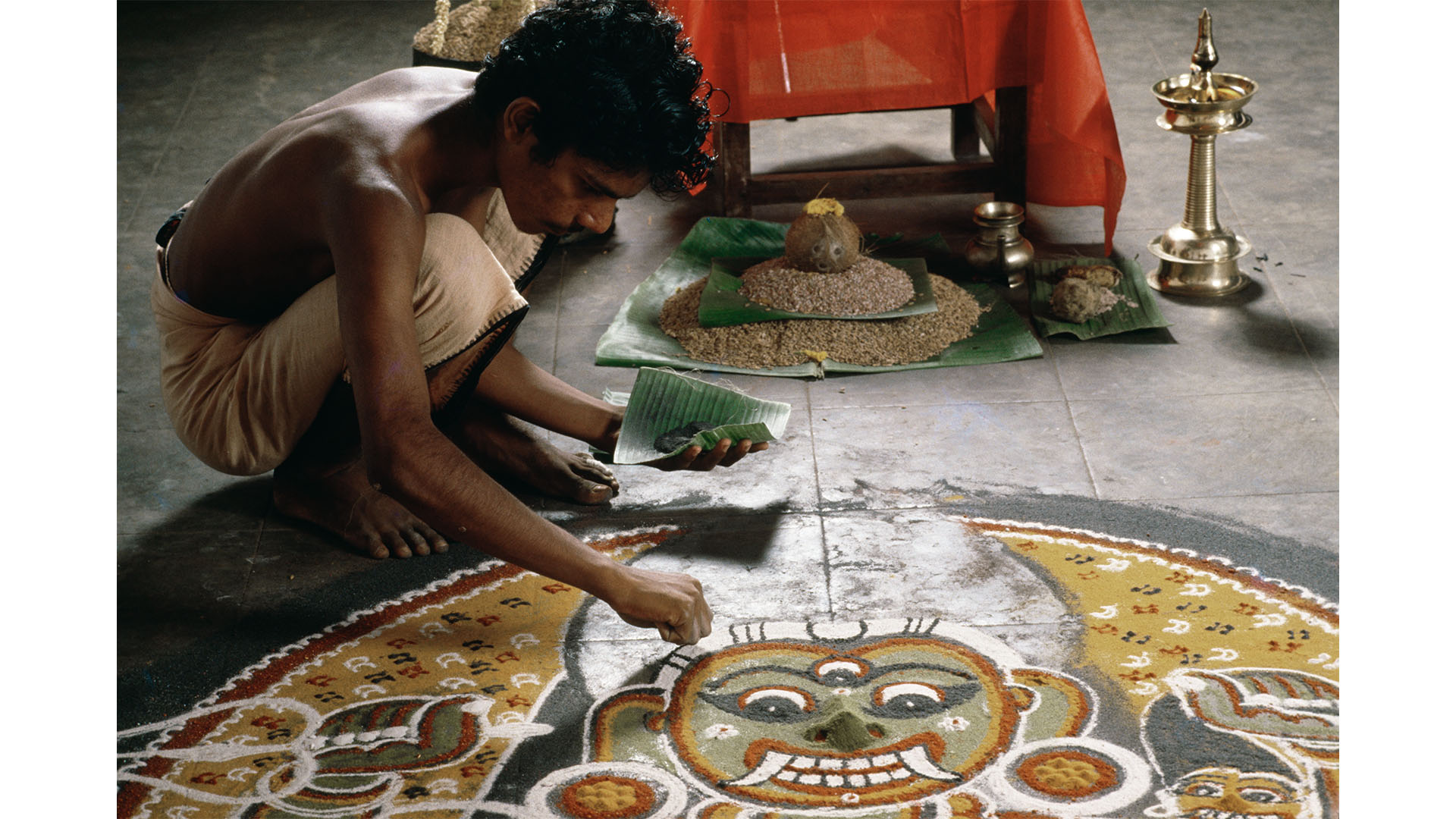
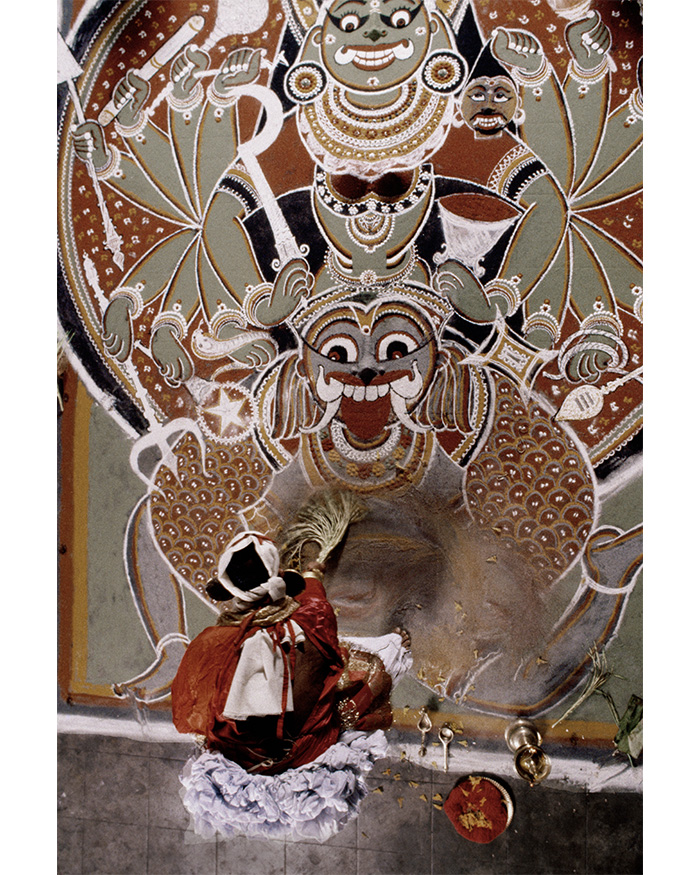
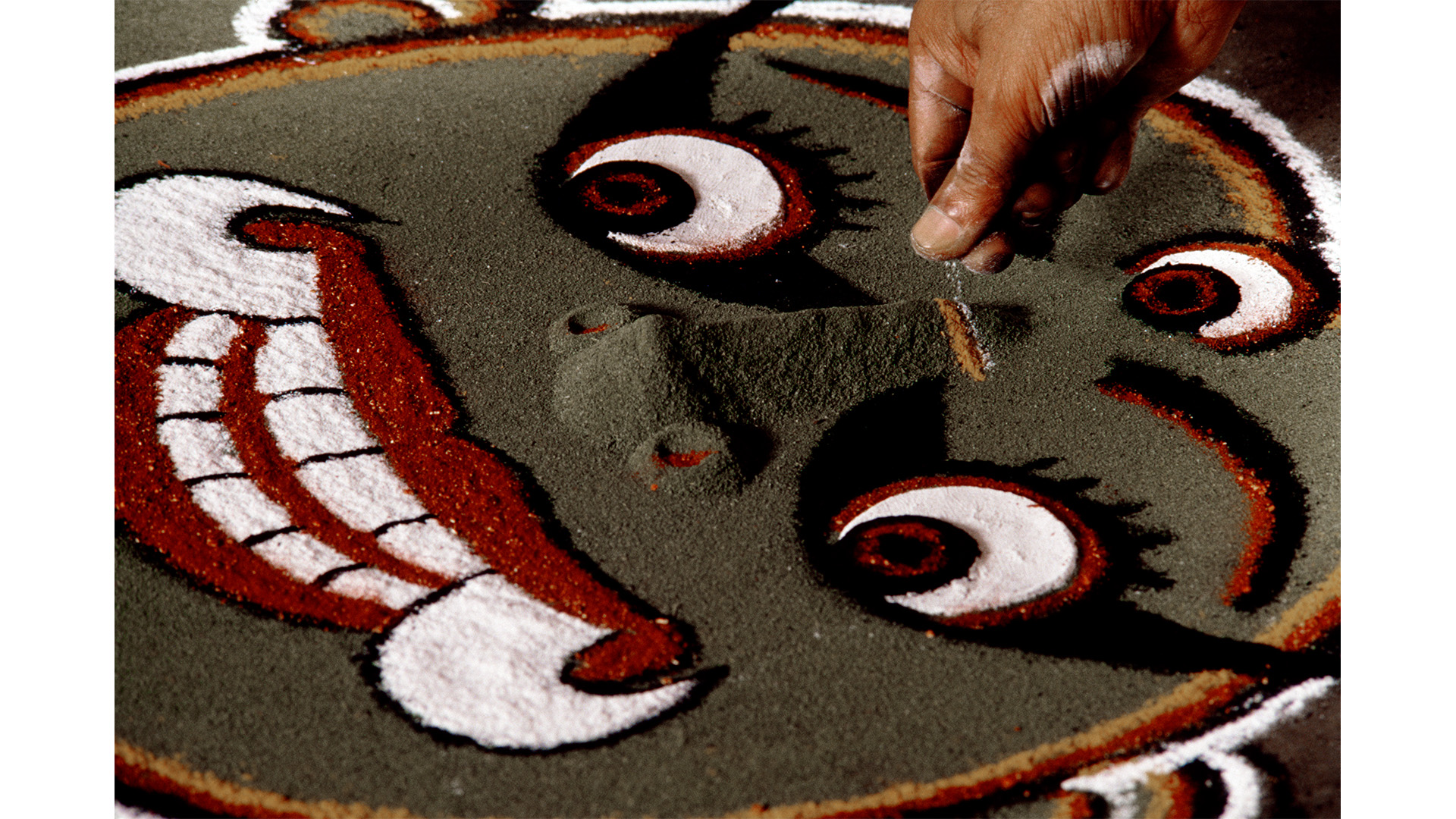
Over seven days in Kerala, priests draw Bhagavati in coloured powders on the temple floor, line by line invoking her presence. Once complete, they erase the image, returning her back to to dust; Photographs by Pankaj Shah

And in a quieter corner of Kerala’s spiritual geography, another drama unfolds — one of creation and destruction. Over seven days, priests draw the image of the goddess Bhagavati on temple floors using coloured powders — reds, yellows, whites, blacks. Line by line, her presence is invoked, her eyes given life. Devotees come and go, watching her form take shape in silence. Then, when the ritual is complete, the same priests who created her roll over the image, smudging, erasing, returning her to the earth from which she came. The goddess is both born and unmade in that act — a lesson in the cyclical nature of all existence.

Over seven days in Kerala, priests draw Bhagavati in coloured powders on the temple floor, line by line invoking her presence. Once complete, they erase the image, returning her back to to dust; Photographs by Pankaj Shah
The body becomes a medium of prayer that is painted and adorned, wherein performance becomes a form of devotion; Photograph by Pankaj Shah

Creation, destruction, renewal — art that is philosophy. Each of them — Theyyam, Lai Haraoba, the Vallamkali, Thrissur Pooram and the Bhagavati Kalamezhuthu is a performance, a spectacle, an offering and a prayer. They remind us that beauty in India has rarely been for display alone. It is always a dialogue with the divine, the earth and the human spirit.

*Topmost article banner photograph by Arun Saha

Over seven days in Kerala, priests draw Bhagavati in coloured powders on the temple floor, line by line invoking her presence. Once complete, they erase the image, returning her back to to dust; Photographs by Pankaj Shah
SHARE THIS ARTICLE

You May Also Like

Watch

No results found.

Search
Close this search box.