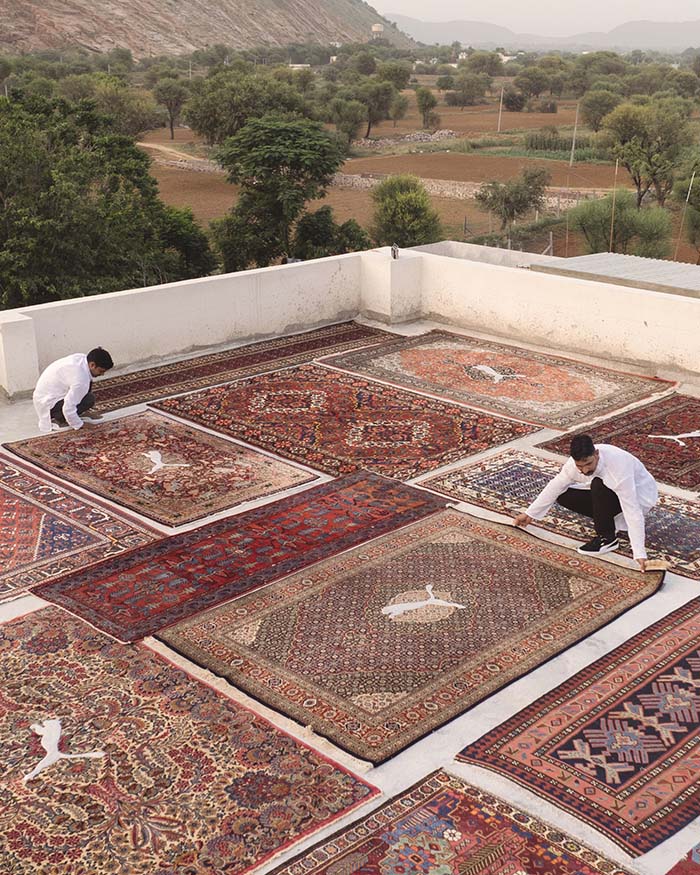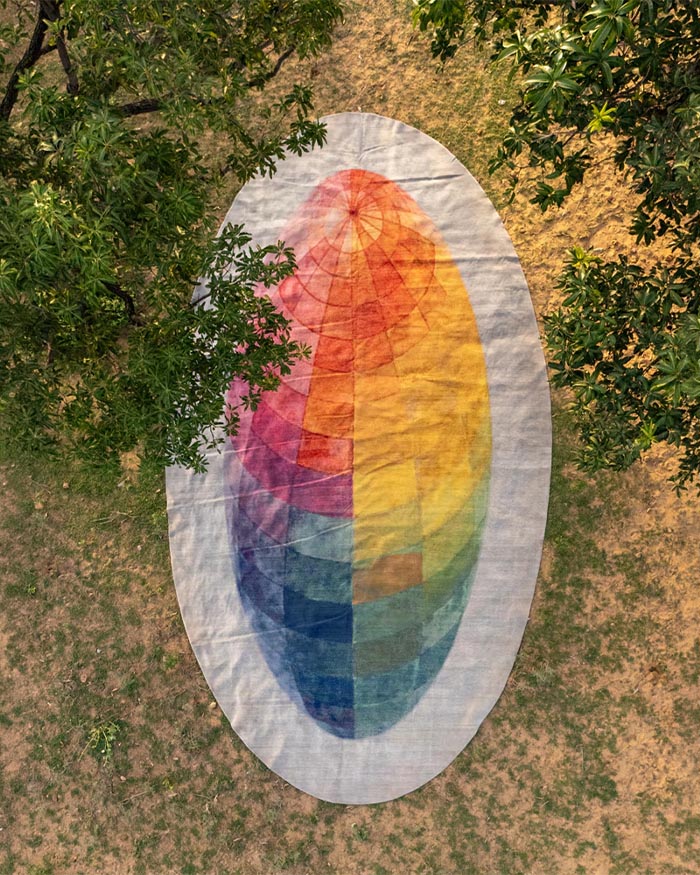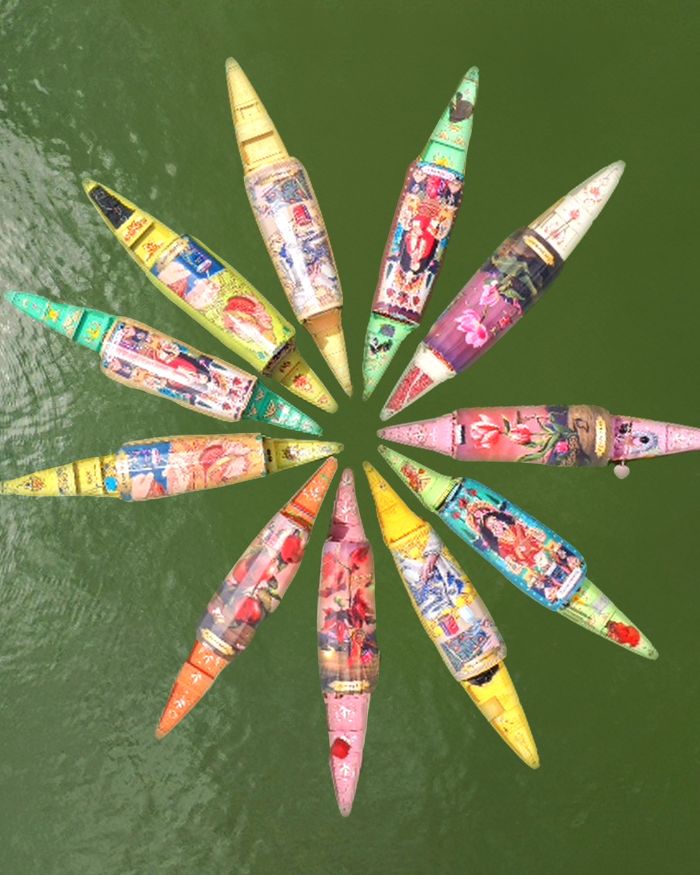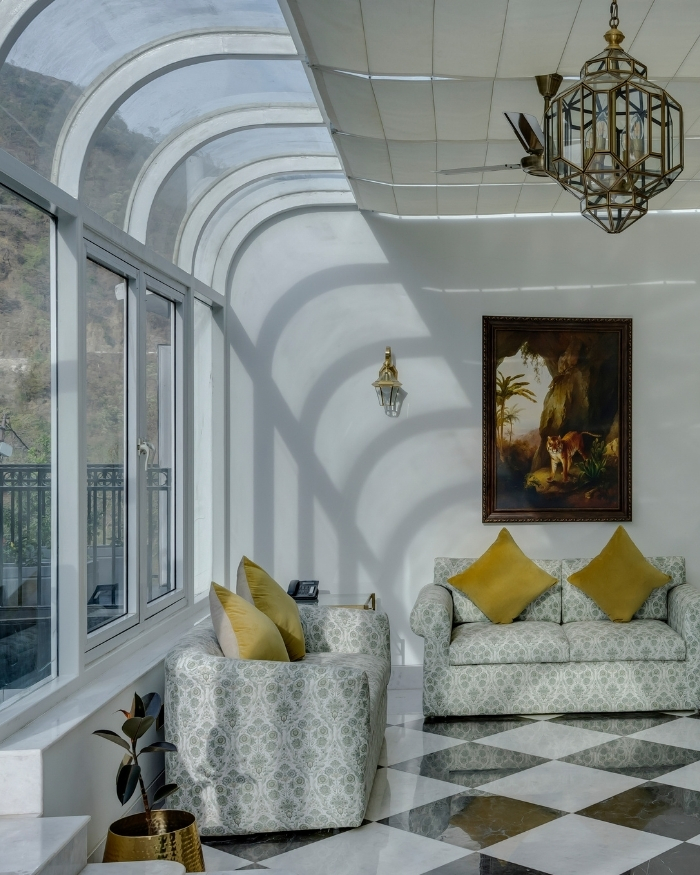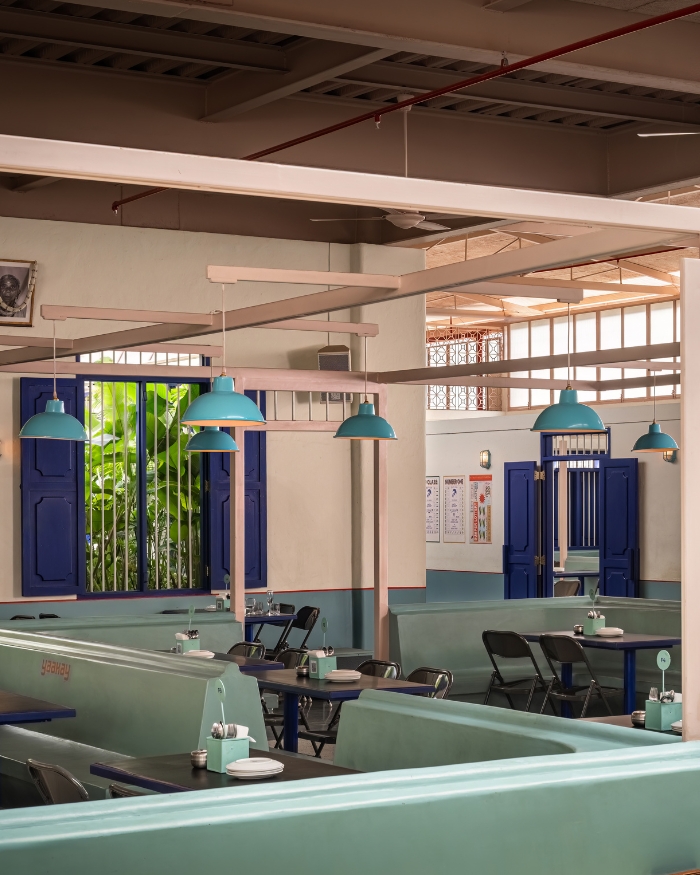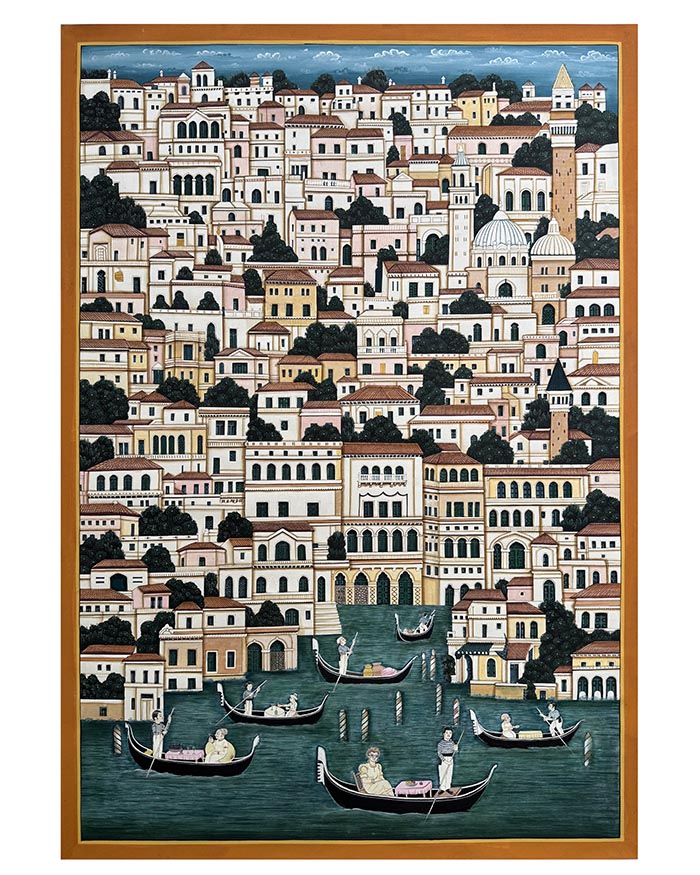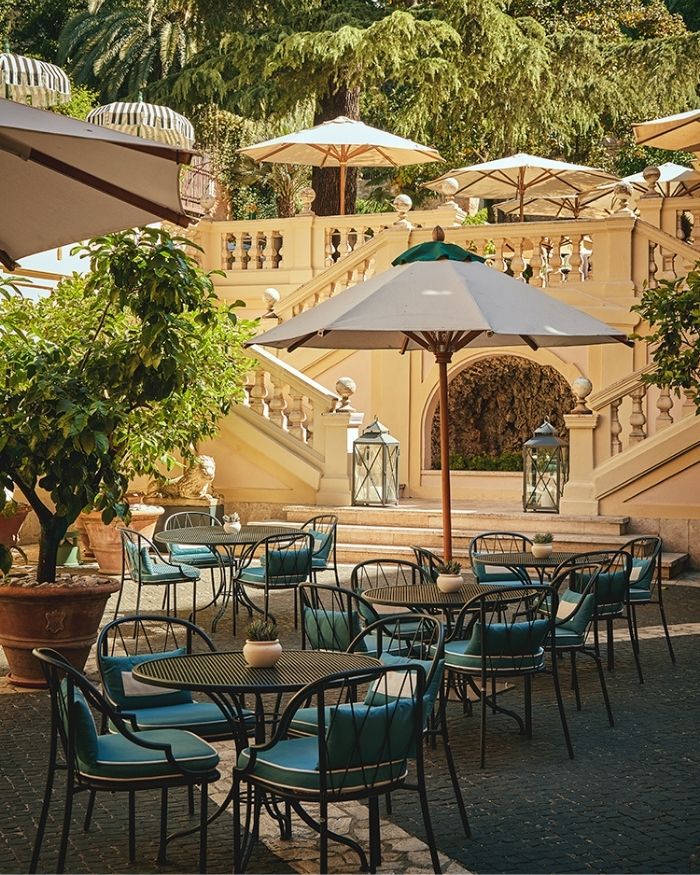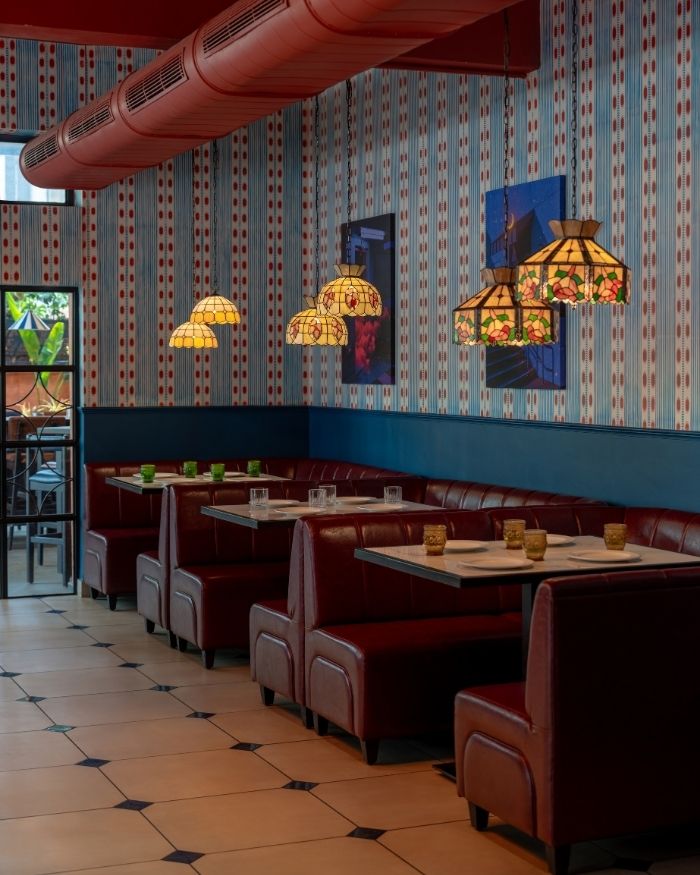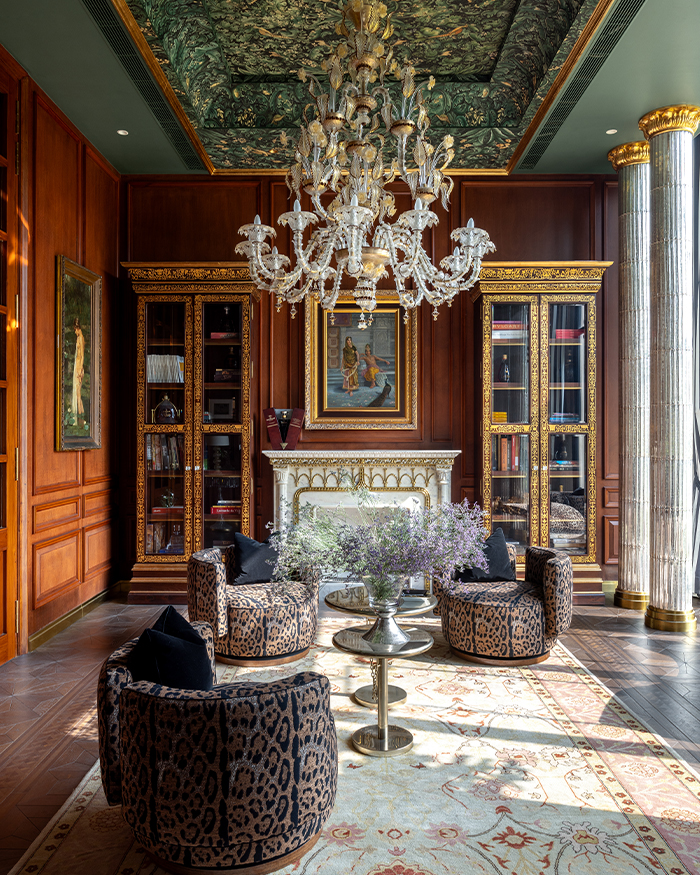
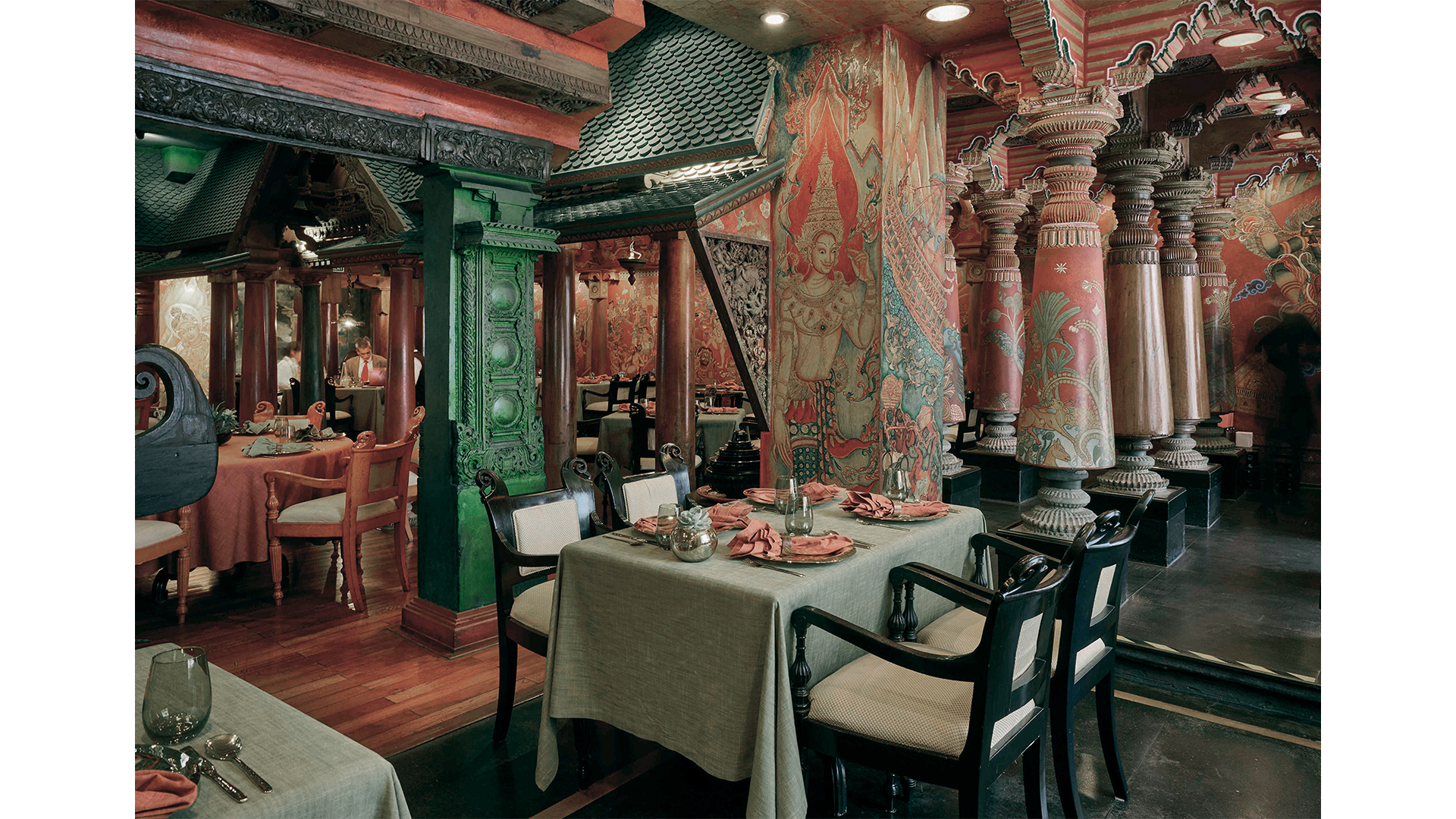
The Spice Route inNew Delhi is handpainted with vegetable and flower dyes sourced from Guruvayur, Kerala; Photograph courtesy of The Imperial New Delhi

Anniversary issue: Amitabh Kant on the rich intentions of Indian hospitality
Atithi devo bhava and the art of abundance around the cities in India

BY

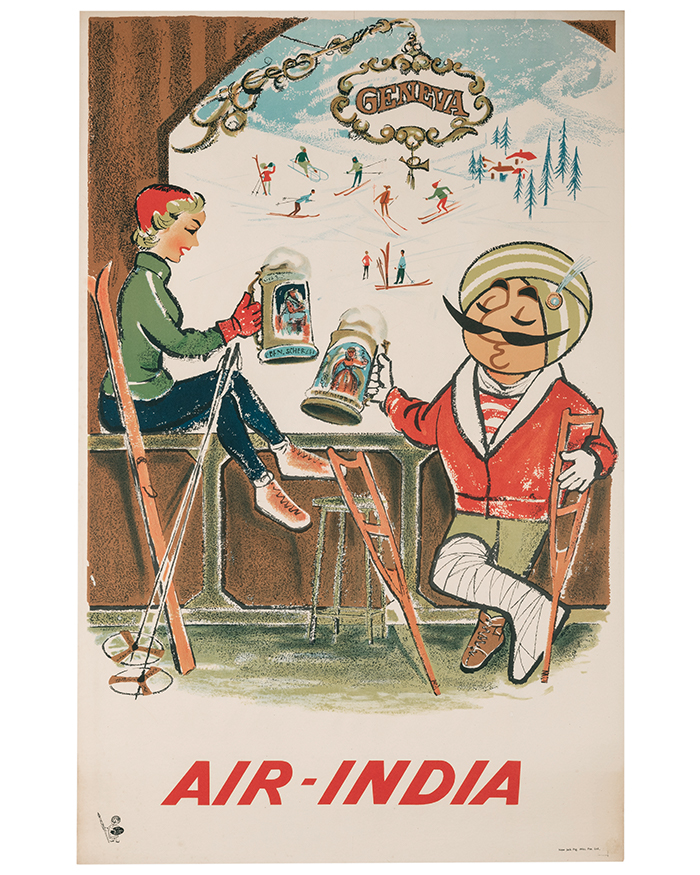
The old Air India Maharaja lounge smells of jasmines and sandalwood. In this in-between world of airports, where time and place are distilled into concepts, at once amorphous and ever-present, the lounge offers a sanctuary. It locates the traveller in an experience. It reminds them of their place in a history that is still being written. In India, hospitality is, and always has been, a function of feeling. Our culture is imbued with a deep sense of collective responsibility that flows from centuries of connectedness. At the heart of this web of care is the family. Parents are revered as living gods and guests are recognized as divine visitors. Even our doorways are thresholds of ceremony. Adorned with vibrant rangolis and fresh garlands, they mark the sacred welcoming of guests into the ghar, ready to receive not just a person, but the abundance they represent. To serve is thus a matter of immense pride. No one leaves an Indian household hungry. Hospitality is everywhere — at border crossings and bus stops, in havelis and mud homes, on trains and lake-boats.

“Is hospitality in India an act of trade or care? Few would say its spirit is for sale. The care invested is genuine, rising above transaction”

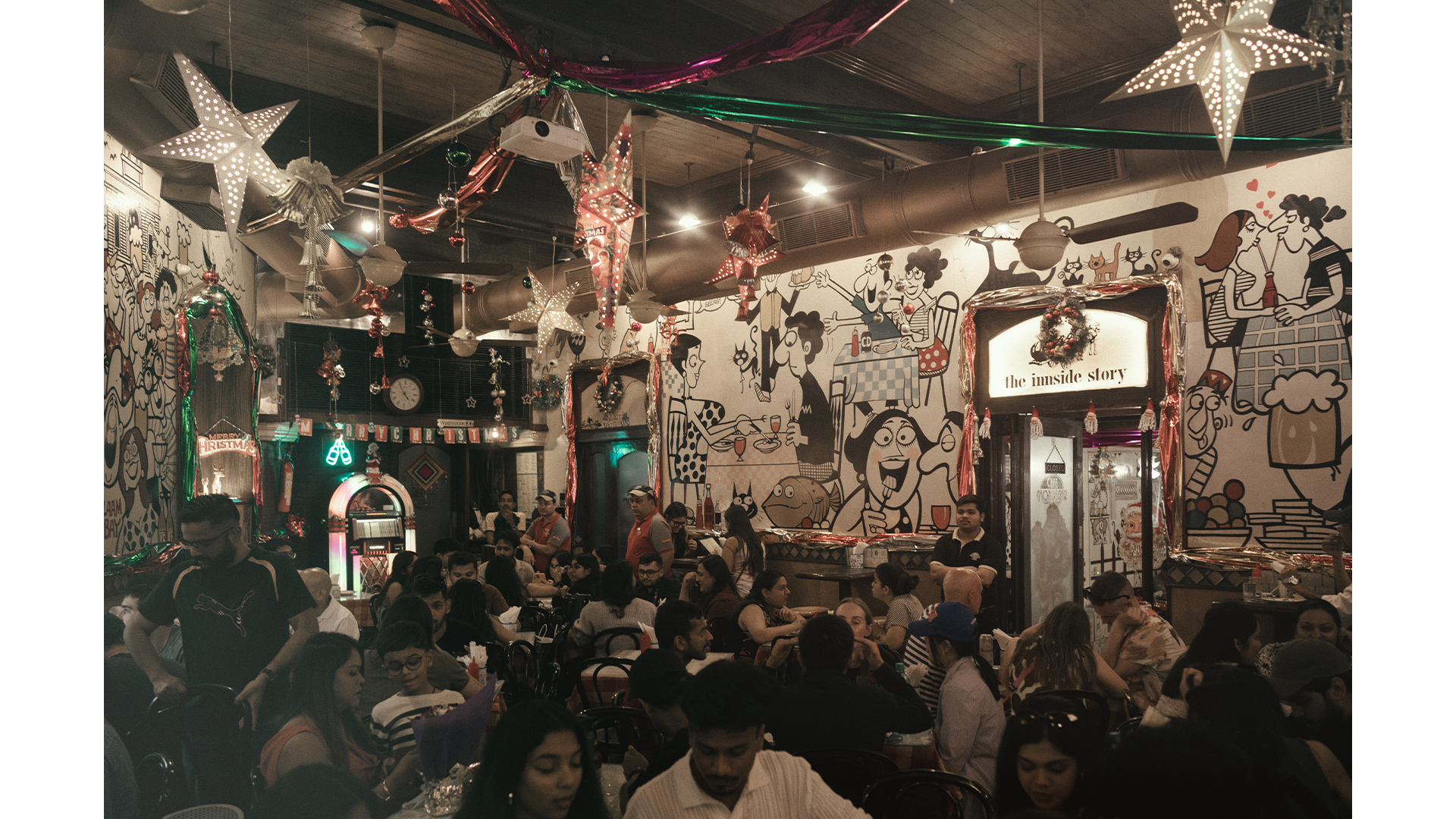
Since the 1930s, Cafe Mondegar in Colaba, Mumbai remains abuzz with maximalistic expressions, from the rolling jukebox to the whimsical murals by the late cartoonist Mario de Miranda; Photography by Sunhil Sippy

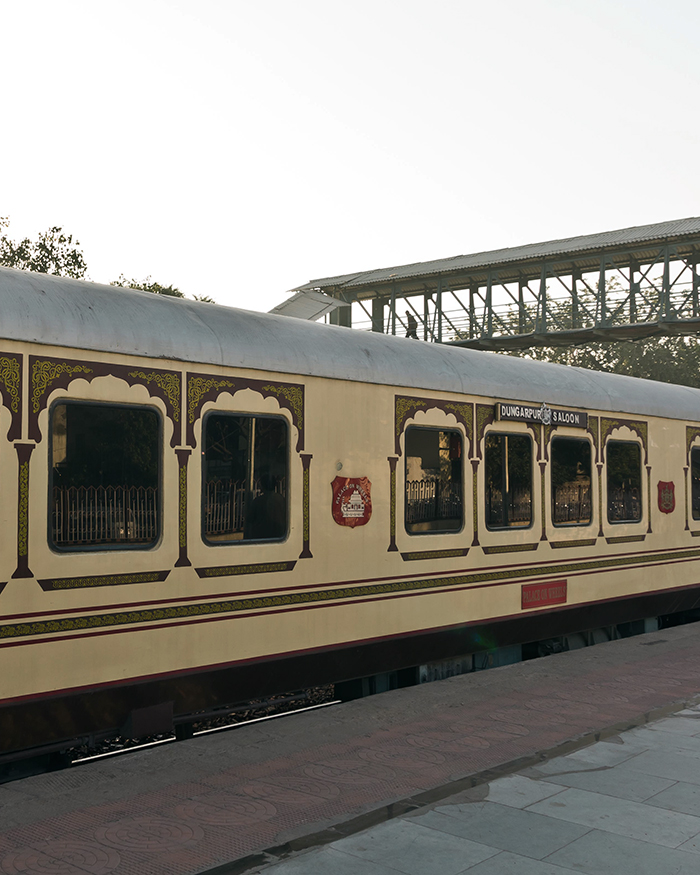
There is a unique theatre in this art that India has long mastered. Over time, it has taken many expressions. If the old Air India was a sanctuary in the sky, then Rajasthan has its own Palace on Wheels. Launched by the Indian Railways and the Rajasthan Tourism Development Corporation in 1982, this first-of-its-kind luxury heritage train was a tribute to the royal carriages of the maharajas and to the legacy of princely India. Each journey on this train was designed to evoke the grandeur of a bygone era; through visual motifs, ornate cabins and attentive service, but also through entire days spent cradled in the stories and ritual of Rajasthan’s palaces and deserts.

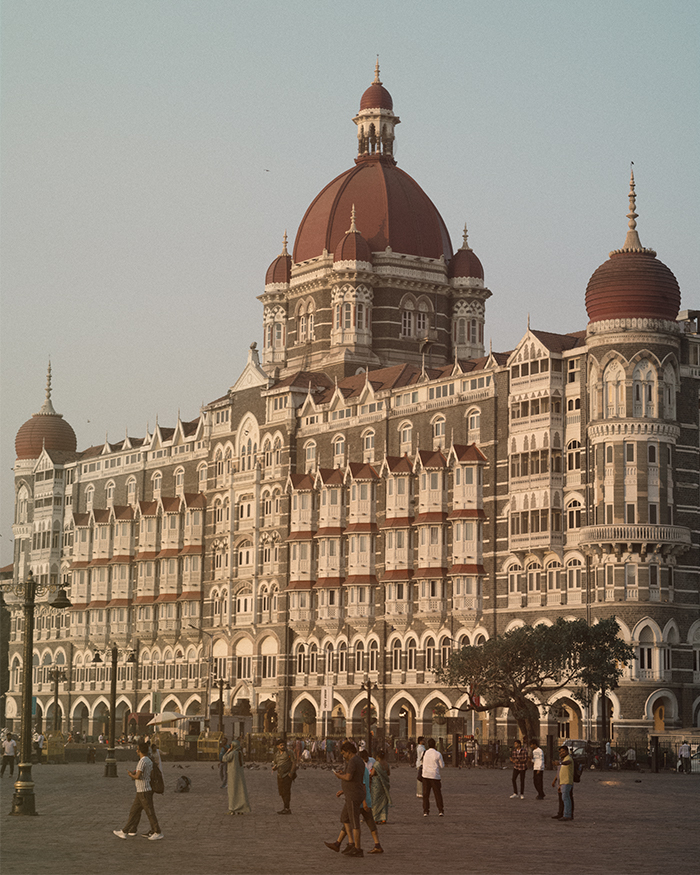
The red dome of The Taj Mahal Palace, Mumbai has stood like a sentinel over the Arabian Sea since 1903; Photography by Sunhil Sippy
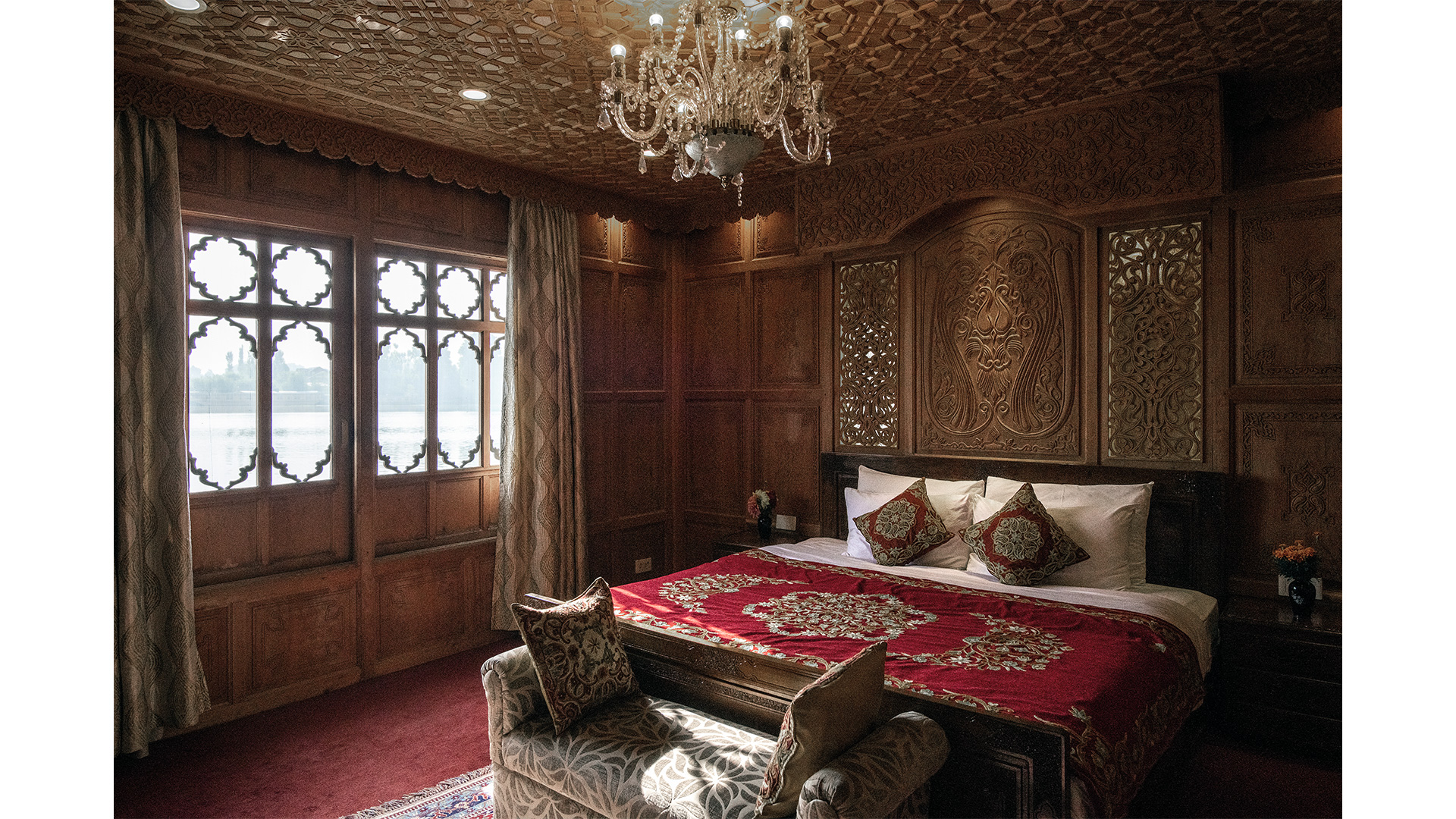
Mascot Houseboats’ history on the Nigeen Lake, Srinagar goes back to five generations since 1880s; Photograph courtesy of Mascot Houseboats

Far from the rails, the houseboats of Kashmir float quietly on Nigeen and Dal Lakes. Mascot Houseboats, part of Mascot Travels, have carried forward an extraordinary legacy since the 1880s, offering state-of-the-art, ornately carved vessels that reflect the artistry and sophistication born in an era before technology. Handcrafted cedarwood panels and intricate Khatamband ceilings showcase generations of artisanship, guided by the Tuman family, pioneers of tourism and hospitality in Kashmir. Now in its fifth generation, this family enterprise has evolved to perfection, creating floating sanctuaries where every guest is invited to pause, breathe, and listen to the echoes of the mountains and water.

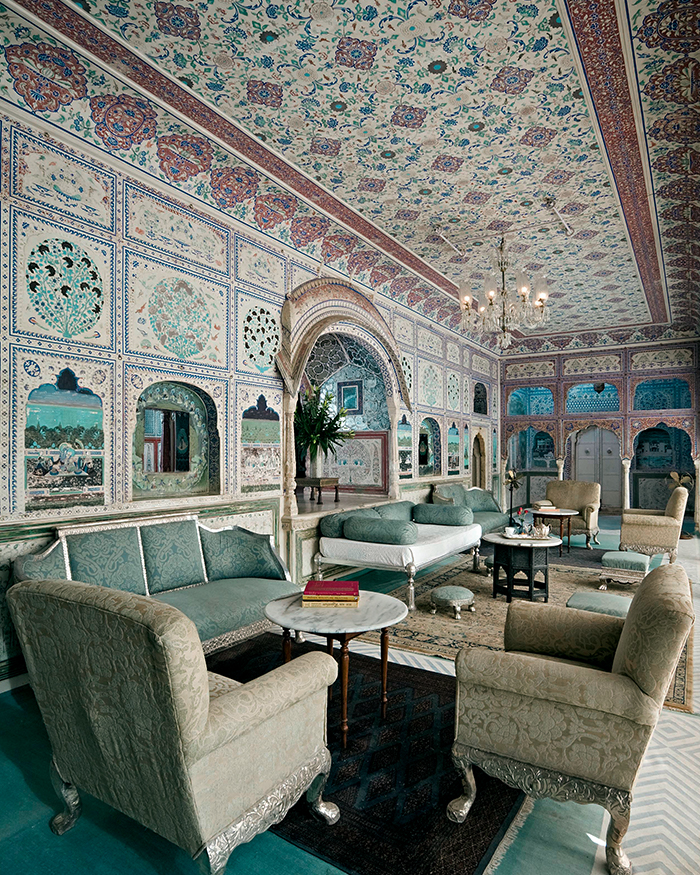
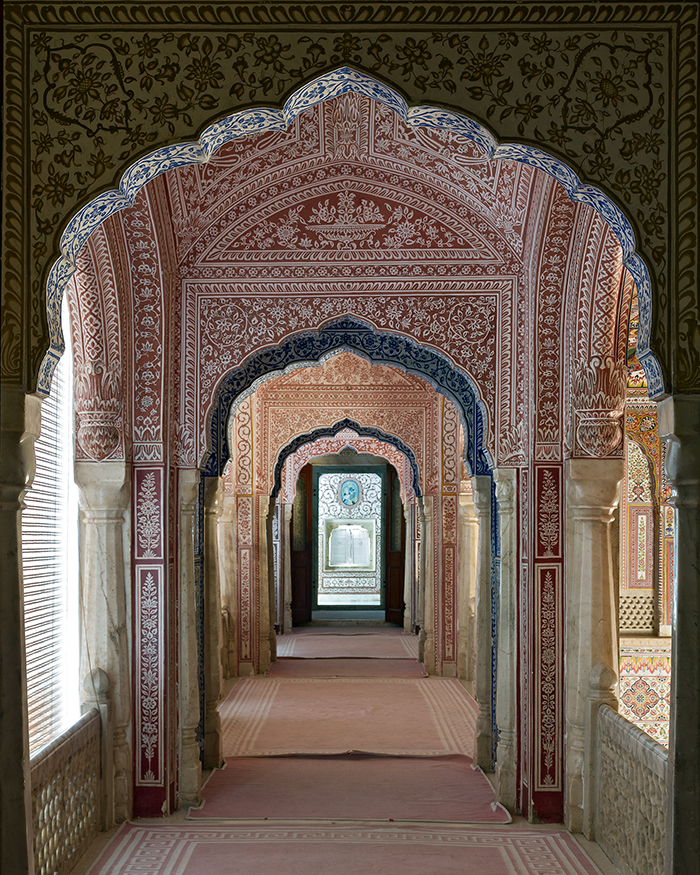
Countless frescoes at the Sultan Mahal remain untouched since they were first painted; Photograph courtesy of Samode Hotels
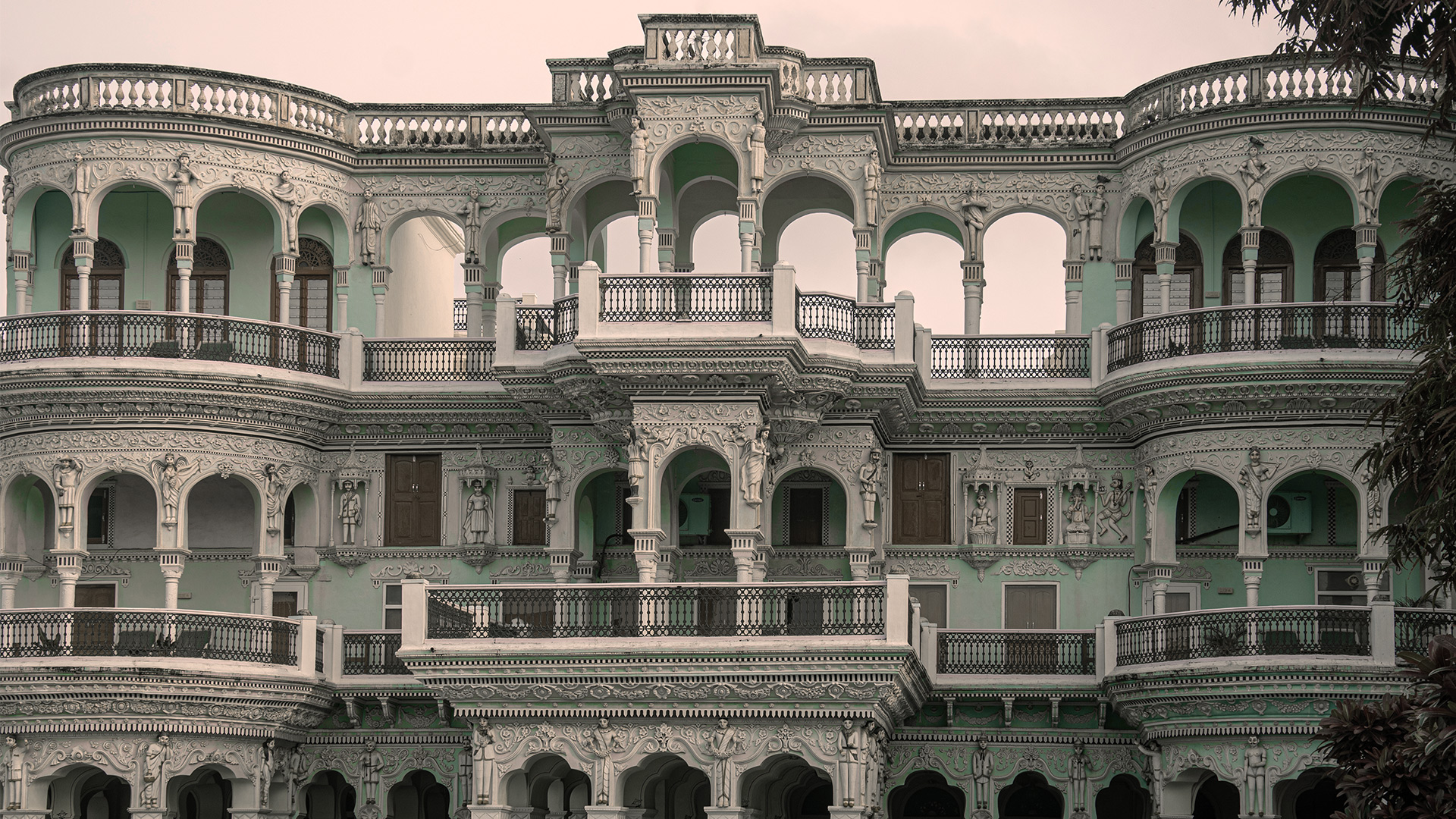
In the 1920s, Malji Ka Kamra in Churu was a private mansion of a merchant of Shekhawati. Now restored as a hotel, its stone and lime edifice is trimmed with pale blue stucco; Photograph Courtesy Hotel Malji Ka Kamra

In Mumbai, the Leopold Café has endured since 1871, opening its doors to the city’s restless dreamers and travellers. Through generations of upheaval and modern renewal, its tables have continued to gather the stories of strangers, its spirit as irrepressible, and as irreplaceable, as the city itself. A short walk away, the red dome of the Taj Mahal Palace has been standing like a sentinel over the Arabian Sea since 1903, having witnessed the birth of empires, roaring independence processions, visiting royalty and every shade of Mumbai’s ever-changing pulse. And yet, none of these milestones define the Taj quite like the events of November 2008. When terror struck, the hotel became a battlefield, besieged over three days of fear and chaos. Amidst the tragedy, stories emerged of extraordinary courage — of kitchen staff leading guests through smoke-filled corridors to safety, of doormen who refused to abandon their posts, of strangers becoming family in shared rooms.

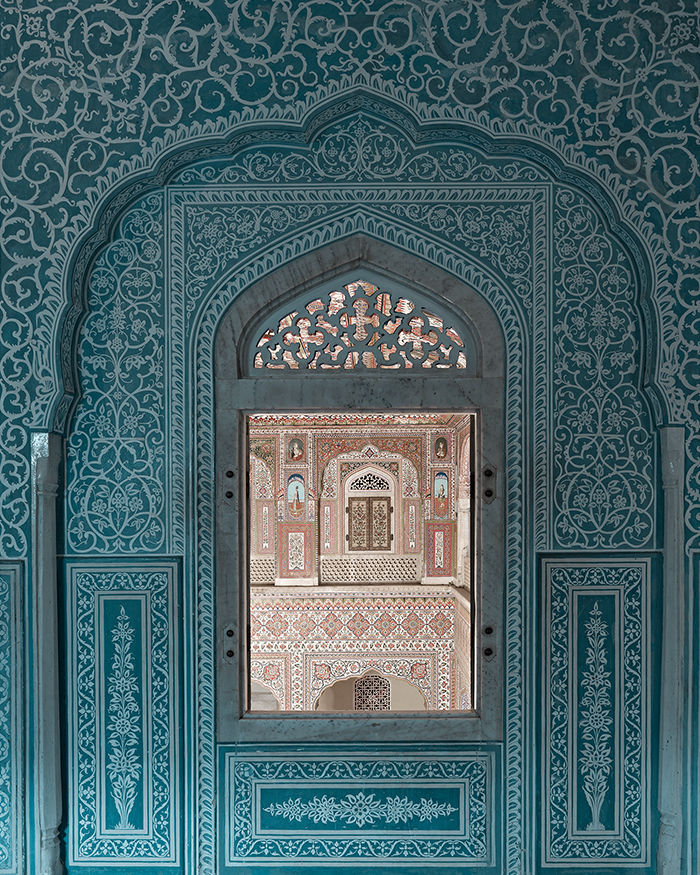
The Blue Room hides in plain sight inside the Durbar Hall at Samode Palace; Photograph courtesy of Samode Hotels
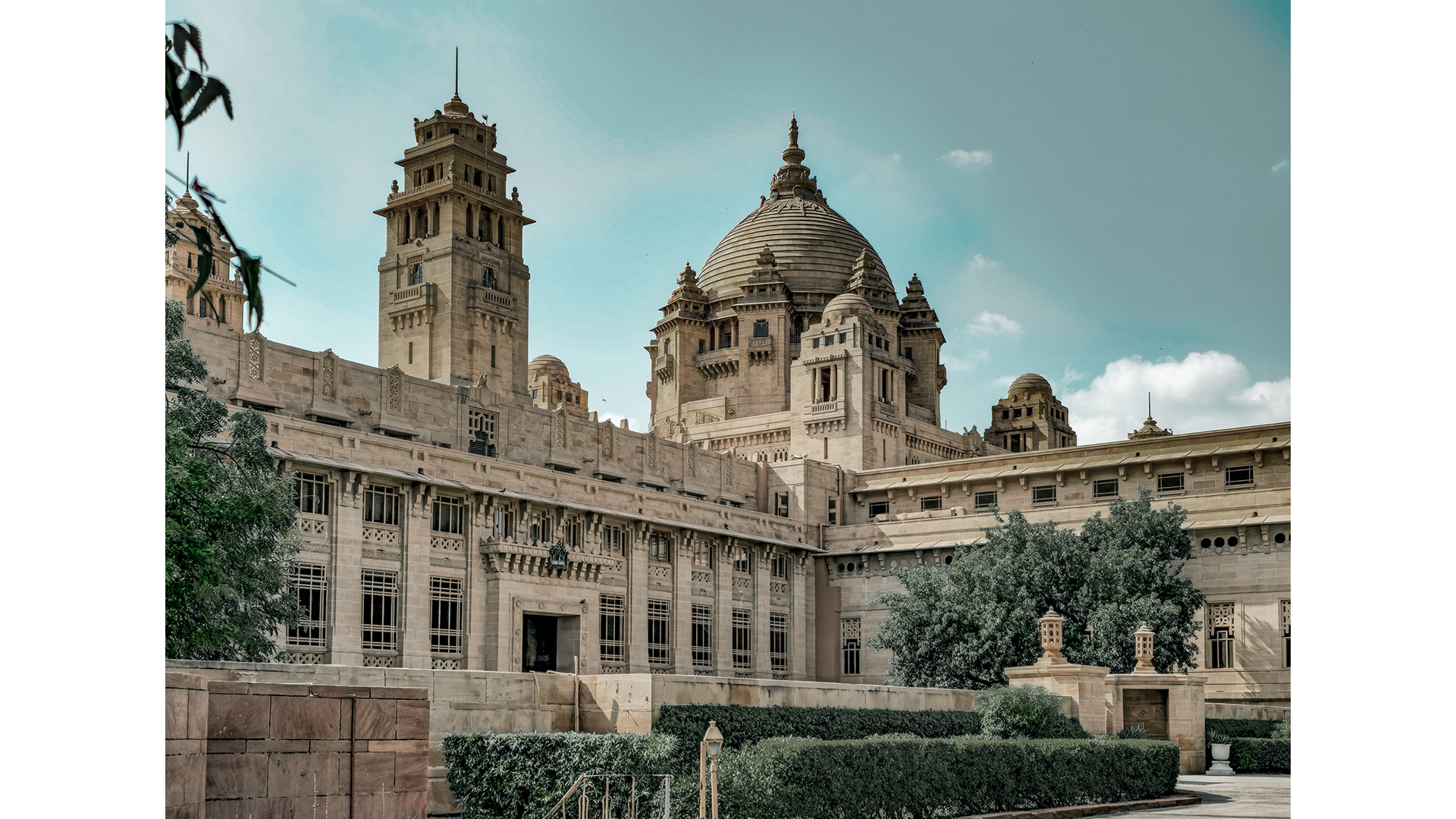
Umaid Bhawan Palace, Jodhpur is a present day royal residence; Photograph Courtesy of IHCL;

The pain was immense: at least 166 people lost their lives in the 26/11 terror attacks and more than 300 were injured. The loss is mourned deeply across the city, and country, till today. From those ashes, the Taj was lovingly restored by teams of architects, artisans and the Tata family itself. Artworks preserved behind glass were painstakingly refurbished, chandeliers rehung and every arch, corridor and suite brought back to life as a symbol of resilience. On India’s Independence Day in 2010, the heritage wing reopened and continues to bear silent tribute to the lives changed within its walls.

Further north, in Rajasthan’s Churu, the century-old haveli of Malji Ka Kamra has witnessed decades of gatherings and celebrations since the 1920s, its frescoed walls remembering every song and every guest with equal generosity of spirit. In Delhi, the Spice Route at The Imperial Palace offers a sensory journey through Asia’s vibrant culinary and cultural heritage.

The passage adorns frescoed walls, jharokhas and vaulted ceilings
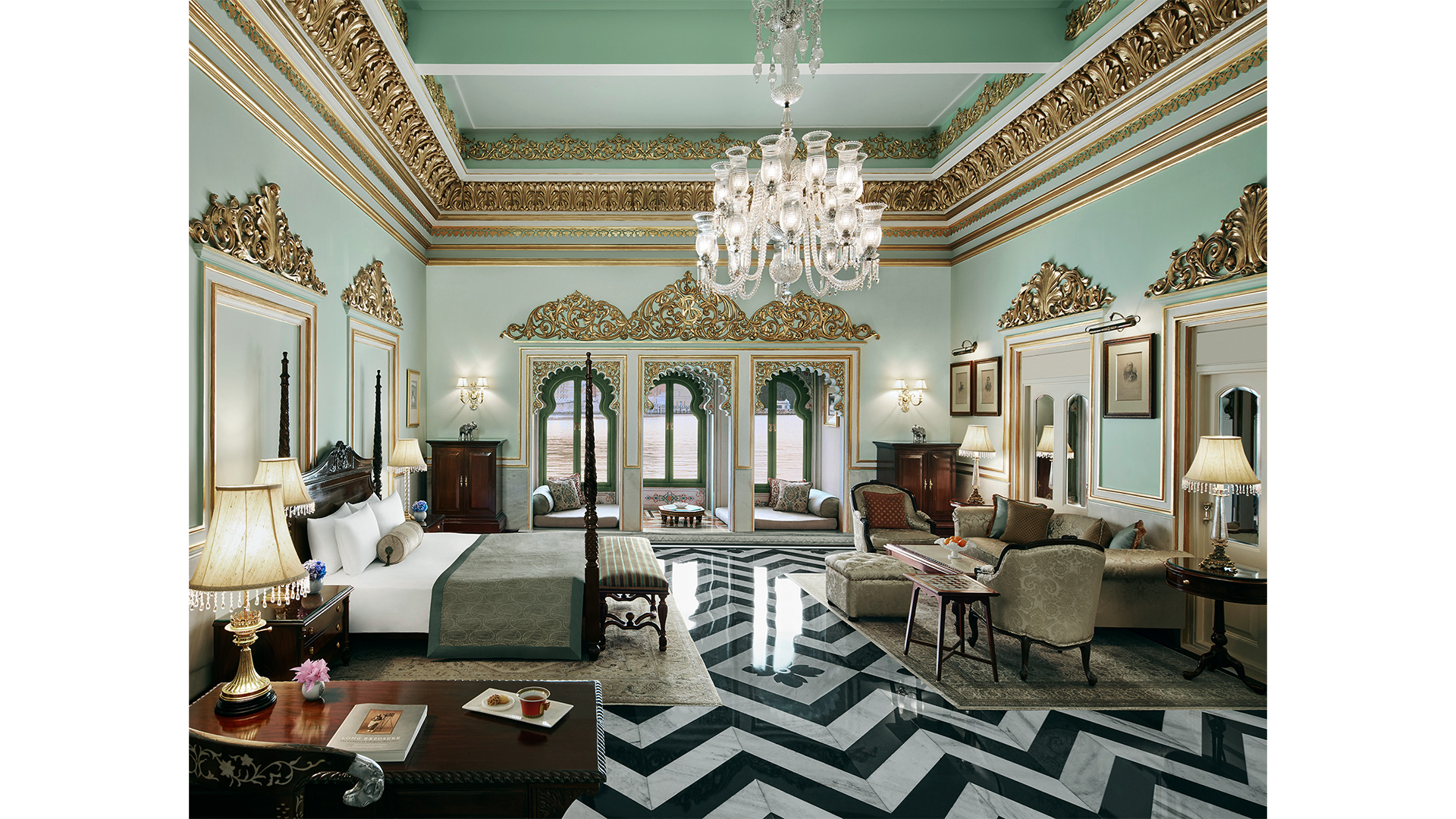
The Sarva Ritu Suite at the Taj Lake Palace reflects regality with gilded engravings and the Waterford chandelier as the centrepiece; Photograph courtesy of IHCL

Designed by the celebrated Rajeev Sethi, the restaurant features hand-painted murals by artists from Guruvayur in Kerala, painted with vegetable and flower dyes, alongside traditional Thai sculptures from Chiang Mai. The interiors, guided by the principles of Feng Shui, are divided into nine distinct sections, each reflecting stages of life and the historic spice trade. This maximalism of design extends naturally into the cuisine – India is anything but bland. We have some of the most diverse and experimental food in the world, and are continually pushing the boundaries of flavour.

My career has been shaped by a deep, personal love for Indian culture. Living and working in Kerala, I witnessed how communities come alive when they take pride in their heritage and own their stories. Transforming Kerala’s tourism was equally about nurturing a sense of belonging, preserving traditions, and creating something that lasts beyond any season or trend. I have seen how preservation can turn places into sacred keepsakes and how honouring our roots adds real value — not just to the economy, but to the soul of our communities. This belief fuels everything I do.

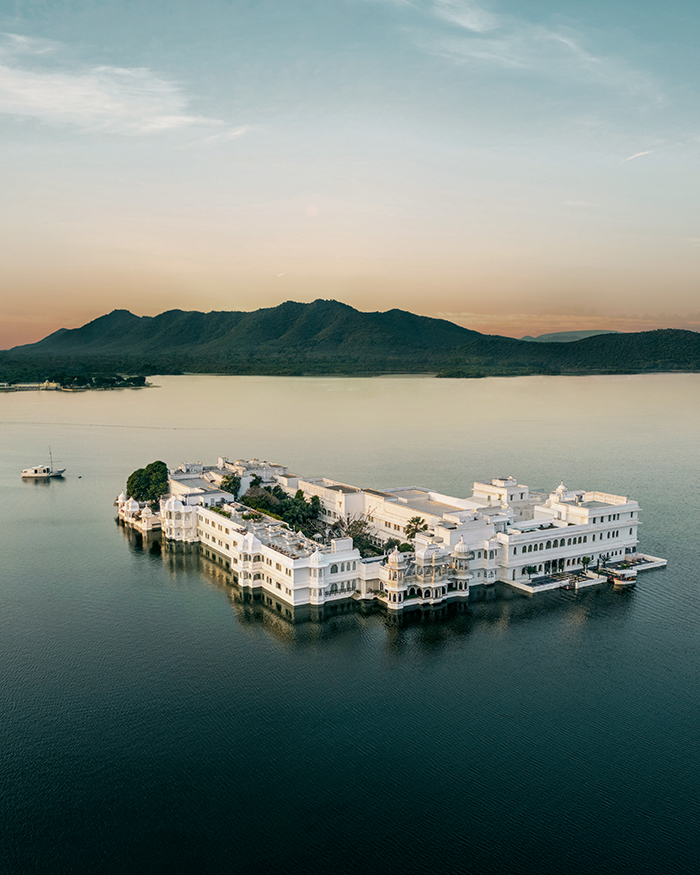
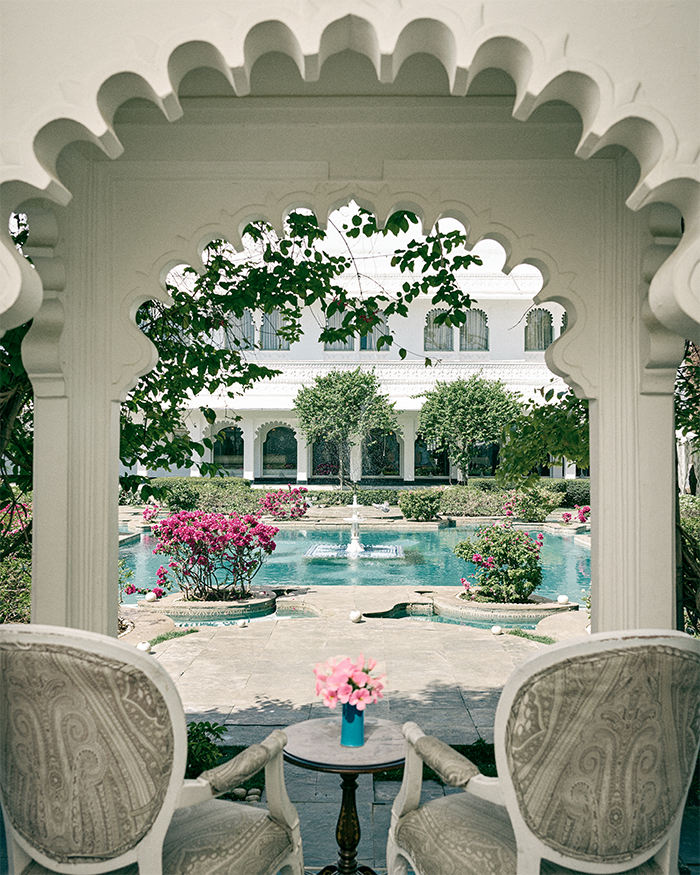
A panoramic view of the property amidst the Pichola Lake in Udaipur; Photograph courtesy of IHCL
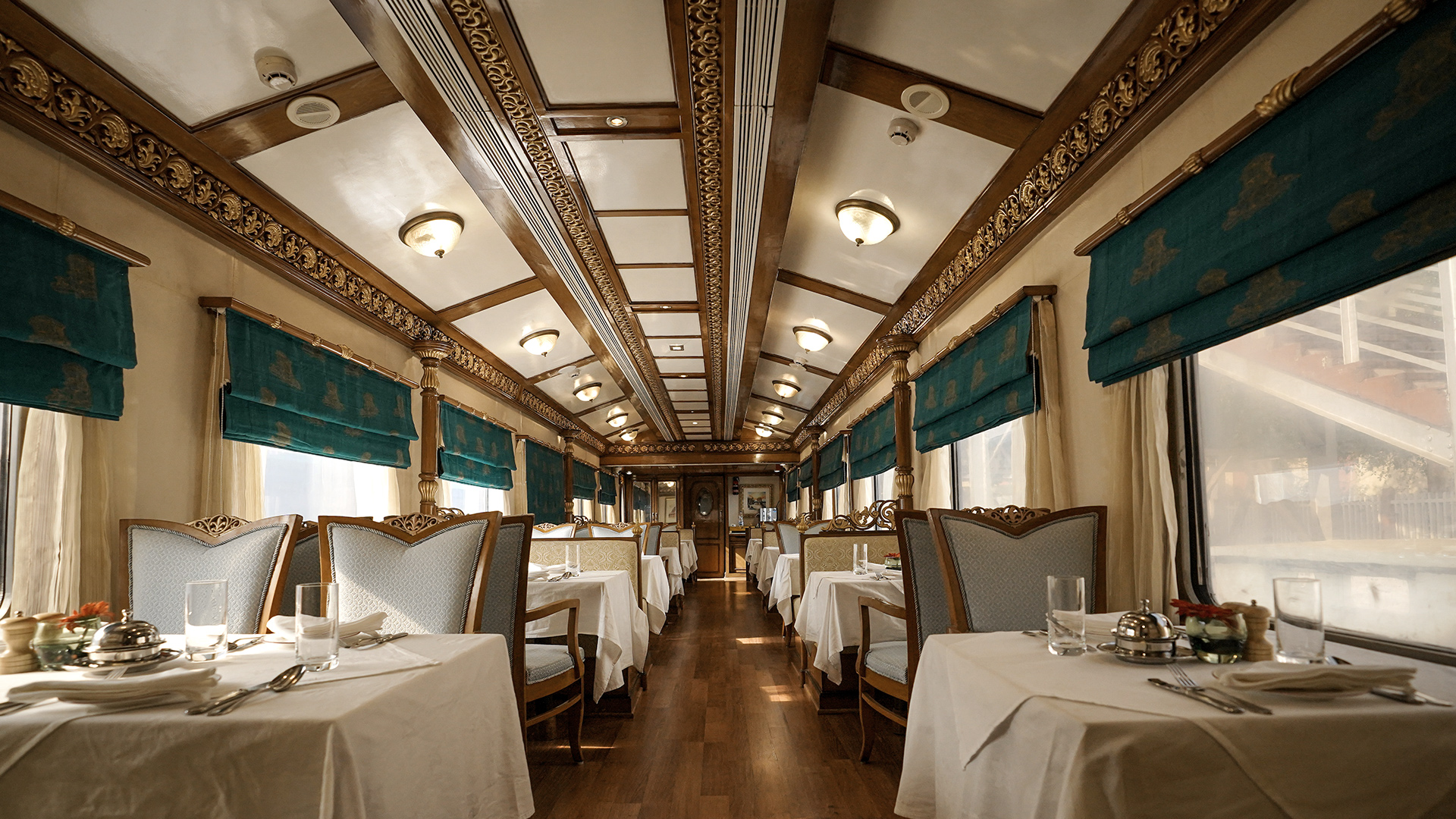
The Golden Chariot carriages are titled after the ruling dynasties of South India; Photograph courtesy of IRCTC

Is hospitality in India an act of trade or care? Few would say its spirit is for sale. The care invested is genuine, rising above transaction. Whether one is welcomed to a luxury lounge or a simple village home, the impulse is the same: to honour, to nourish, to connect. The heart of Indian hospitality is alive in every act where generosity meets memory. To walk through Indian experiences is to be reminded that maximalism is not about accumulation, but depth. It is details layered on details, meaning embedded in every colour and flavour. Hospitality becomes a language — sometimes spoken, often silent — summoning history, feeling and the certainty that a guest, for a moment, belongs completely.

The hotel was originally built as a retreat, Jag Niwas, by Maharana Jagat Singh II; Photograph courtesy of IHCL
SHARE THIS ARTICLE

You May Also Like

Watch

No results found.

Search
Close this search box.