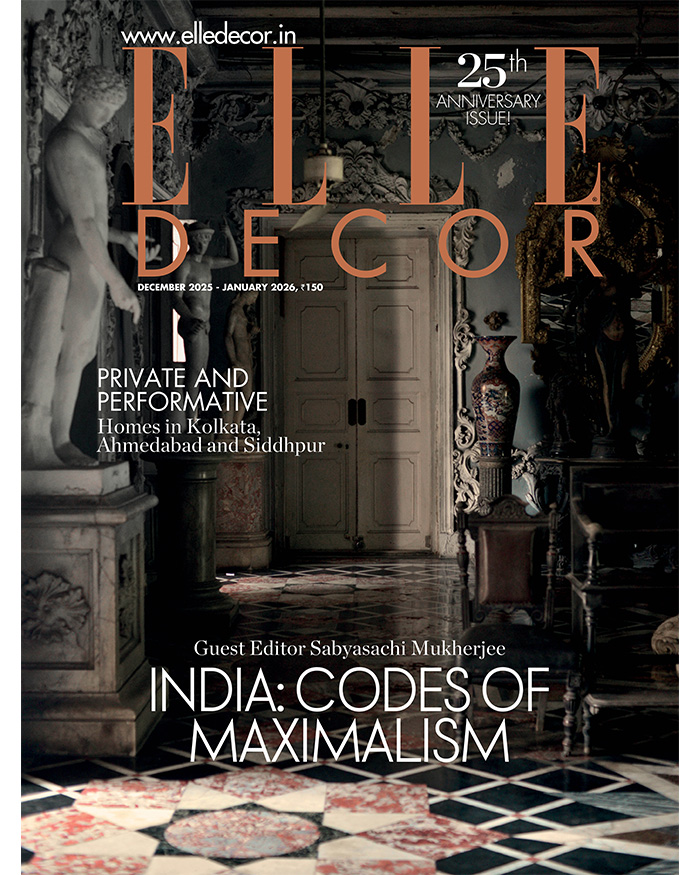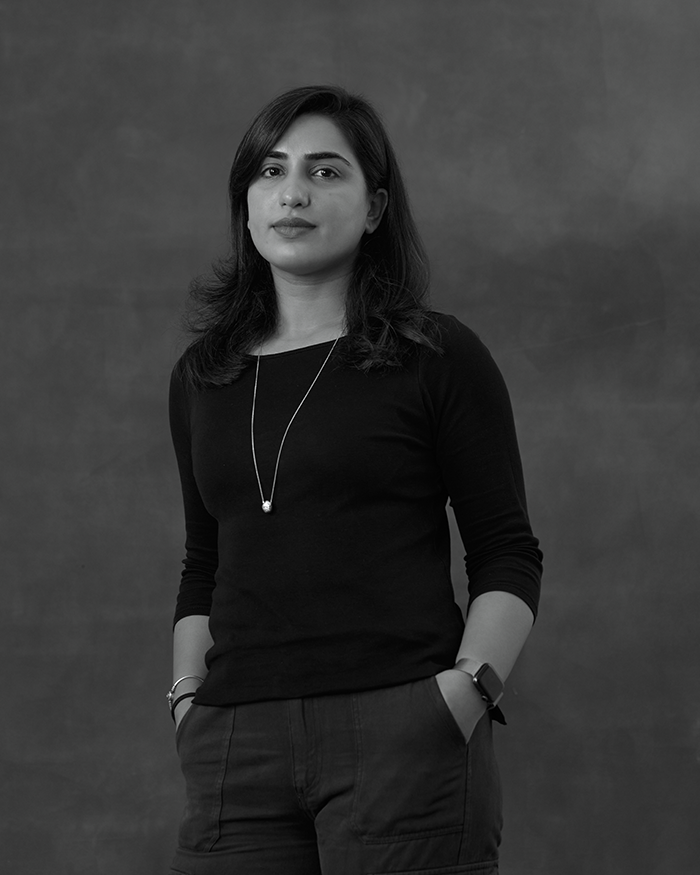
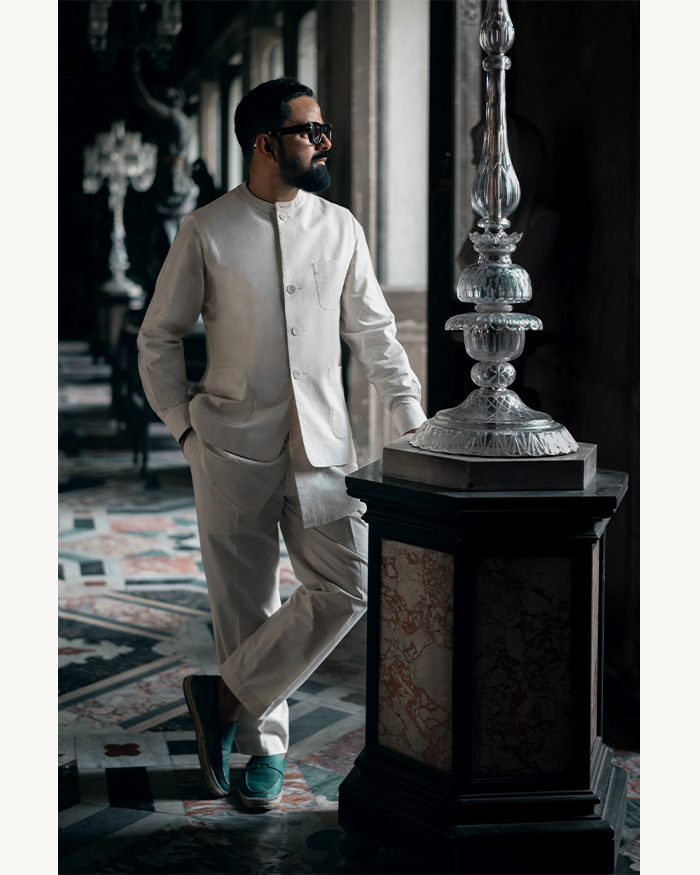
Maximalism in India did not appear as ornamentation; it emerged as consciousness. From the beginning, India authentically held two parallel aesthetic lineages: the spiritual minimalism of introspective civilisations, and the material maximalism of abundant, curious, mercantile societies. This duality — a glorious tension — has always been our cultural engine.
India traded and travelled, debated, built, dismantled, and reimagined itself long before the foreign waves of arrival. We were never only ascetic. We were a civilisation where monks and merchants shaped the same landscape; where the philosophical stillness of the forest hermitage coexisted with the exuberant marketplace glittering with cotton and indigo, shell, gold and spice.
Minimalism was our inward gaze, maximalism was our outward embrace.
When Persians, Central Asians, Mughals, Europeans and others entered the subcontinent, they did not introduce abundance, they simply added layers. It complicated the will, but did not change our inheritance. We did not shift from austerity to opulence; we deepened an already lavish vocabulary. India is a unique civilisation where spiritual detachment and material excess sit side by side without contradiction. It is this proximity — of desire and withdrawal — that gives Indian maximalism its rare emotional and intellectual depth.
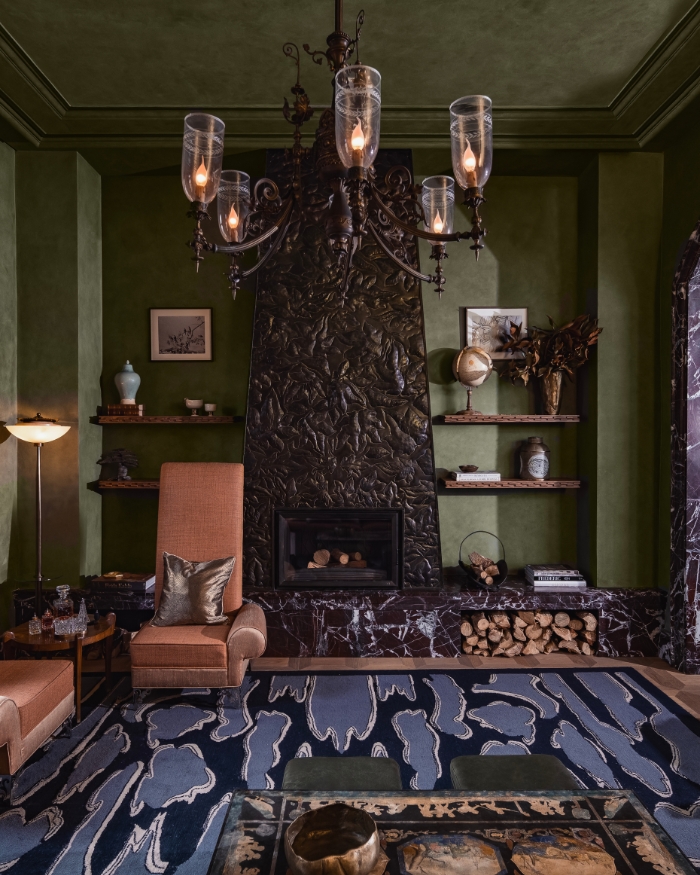
I often say, the secret to maximalism is restraint. That tension must be present because true maximalism is not chaos; it is clarity — a placement with purpose. It is the quiet knowledge of what to place, and what to withhold. It is a discipline that comes from civilisational self-confidence, when a society is rich enough in spirit to choose its material world with wisdom. Done carelessly, maximalism becomes noise; done with intention, it becomes heritage.
Look at Calcutta, my home, one of the last cities where this tension breathes without apology. Marble palaces sit next to century-old pharmacies; torn carpets, cracked walls, melancholy and joy all share the same room. Calcutta is beautiful because it remembers, holding every era at once, like a manuscript overwritten a hundred times — never erasing the past, simply adding to it. India’s maximalism is a living archive of what makes us sophisticated: our contradictions, our generosity, our intellectual elasticity, our tolerance for chaos and our appetite for beauty.
Modern India’s struggle with maximalism is not aesthetic but an inherited discomfort. Colonialism fractured our sense of self, making us borrow foreign codes of sophistication — born not from our abundance but from their absence. Minimalism became a shorthand for “modernity,” even when our own civilisation had long practiced a minimalism rooted in metaphysics, not scarcity.
In trying to appear contemporary, we flatten ourselves. We edit out the very contradictions that make us unique, ignoring the sophisticated synthesis of history, art, philosophy and culture that define Indian maximalism.
India invented luxury not as indulgence, but as scholarship for the hand. Maximalism through craft is our archive of skill, devotion and human time. Today, as monoculture flattens the world and mindless abundance masquerades as extravagance, we must return to our roots to understand what made Indian maximalism profound: its intimacy with restraint — a dialogue with the sacred refusing to choose between soul and splendour.
The future of Indian maximalism and its influence on luxury depends on culture and clarity — craft shaped by discipline, abundance shaped by purpose. Only when creation transcends ego can it stand the test of time.
This issue is a reminder, a parable on perspective. Is it maximalism that needs redefining, or does the scale need rebalancing? Let us see material maximalism in equilibrium with spiritual minimalism, as India’s gift to the world — a philosophy that can coexist, challenge and elevate the other.
Gathering an extraordinary group of experts, thought leaders, and champions in their respective fields, we offer this edition as a reclamation. Though we rarely speak publicly, we are united in a commitment to this ideal: maximalism is not excess; it is India’s memory, her confidence, and — if we choose wisely — our future.