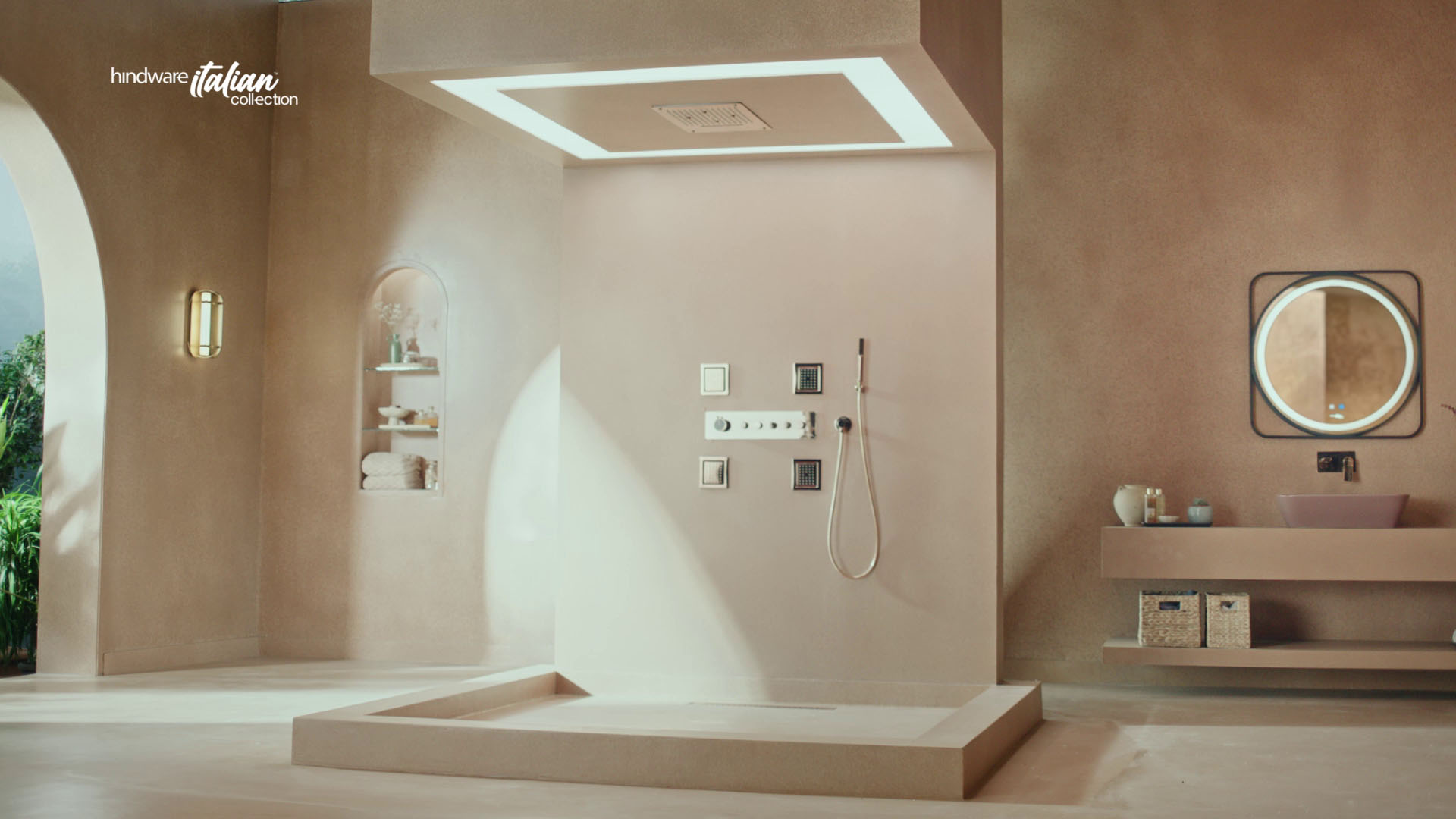
Image courtesy of Hindware

5 questions with Sandip Somany of Hindware

The Chairman and Managing Director sheds light on Hindware's decades-long commitment to sustainability

BY

Long before it became a modern-day buzzword, Hindware had quietly been spearheading sustainable water solutions in India since its inception in the 1960s. From pushing the government to set stringent limits on water consumed by WCs and innovating faucets that save up to 98% of water, to embracing sustainable production practices, the brand aspires to be a household name to not only be reckoned with, but also to be looked up to.

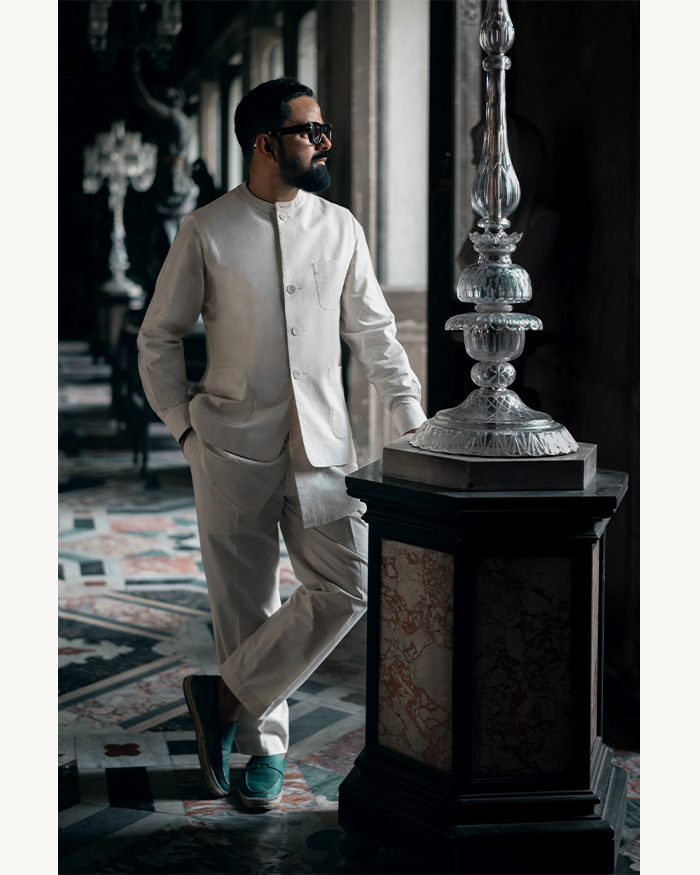
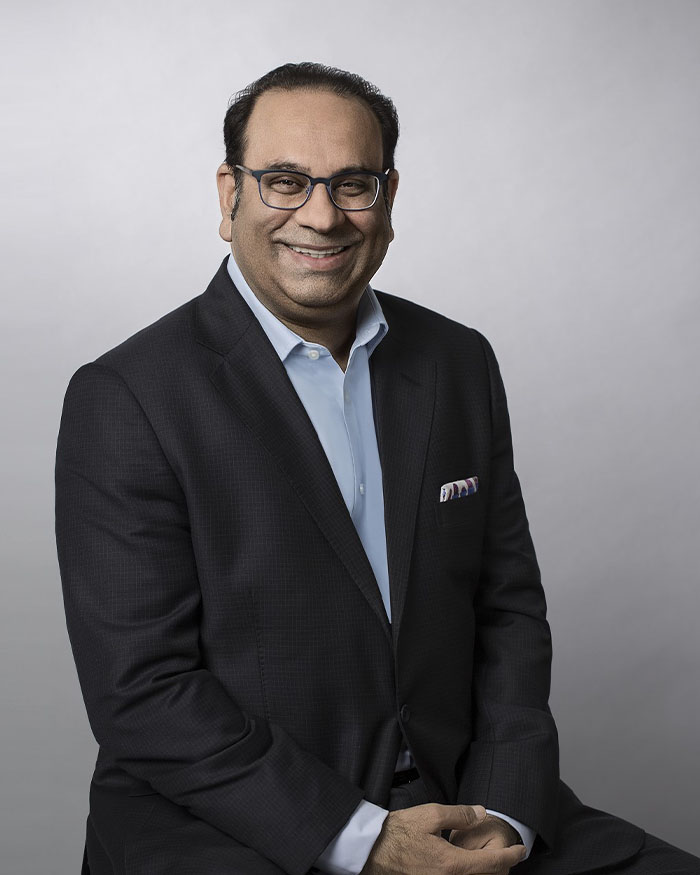
But that’s not all. Drawing from his experience as an industry veteran, Sandip Somany, Chairman and Managing Director of Hindware Limited, touches upon the cornerstones that set it apart, sheds light on significant milestones, and predicts upcoming trends soon to take over your bathroom. Scroll down to read the full conversation.

How has Hindware’s design language evolved to reflect changing lifestyles and aesthetic sensibilities?

To answer that question, you need to take a step back into the past and understand how bathrooms have evolved. In the early years, the focus was only on functionality and durability. These two aspects are focused on today, too. But with homes becoming more important, more aspirational to the customer, the bathroom became an integral part of residences instead of being placed outside the home.

As people began to take pride in their bathroom, as they did for their drawing room or their living or dining room, the space and its products evolved from only being functional and durable to a lifestyle product. Homes became more design-conscious, and we began to reimagine the bathroom more as a personal sanctuary, not just a space for utilitarian purposes. Our products also evolved like that, giving more conveniences, more features, more experiences to the customer. If you enjoy music, we have showers that can play music while you are having a bath. We have showers which will give you a water massage. We will have overhead showers, which can calibrate water into a very fine mist or a waterfall. With the same water, we can make the consumer feel different experiences. It depends on what the customer wants. What excites the customer? How has the customer evolved? We try to stay one step ahead of the customer to be able to delight them — not only meet their requirements, but delight them. Before they want the product, we want to give them the product. That’s how these products evolve.
The new “Designed for Sukoon” positioning reimagines home as a sanctuary. How does this philosophy translate into product design and material innovation?

Sukoon is more than a positioning. It’s a philosophy that guides how we think, design and innovate. When we speak of sukoon, we’re talking about creating products that evoke a sense of calm, balance and effortless harmony in everyday living. Our products have also stayed in sync with this, with many value-added benefits such as showers that play music or dispense water at varied pressures.

If you look at the seat covers, they have evolved. Originally, they were very thin plastic. Now we have newer forms of seat covers which are more comfortable, very thick and feel more luxurious. In terms of faucets, earlier, they were only made of brass. Now we have an alloy of zinc called Zamak. It makes it lighter. For showers, a lot of them are made with ABS (Acrylonitrile Butadiene Styrene) now, or they have silicone rubber on top. Indian water, for example, has a lot of dirt. Showers often get choked as a result. Now you can just rub the shower’s grooves with your finger, and the dry dust falls out. Technology now makes sure that you can clean your own shower rather than getting a plumber to clean it, which you could not do earlier.

In terms of fittings, many people used to opt for colourful bathroom fixtures before. Then everyone began preferring white. Now colours are coming back, with many opting for a matte finish that looks quite sophisticated. So, both from an aesthetic and functionality point of view, our products are evolving with sukoon in mind.

How do Hindware’s experiential spaces and stores engage architects, designers and discerning homeowners beyond traditional retail?

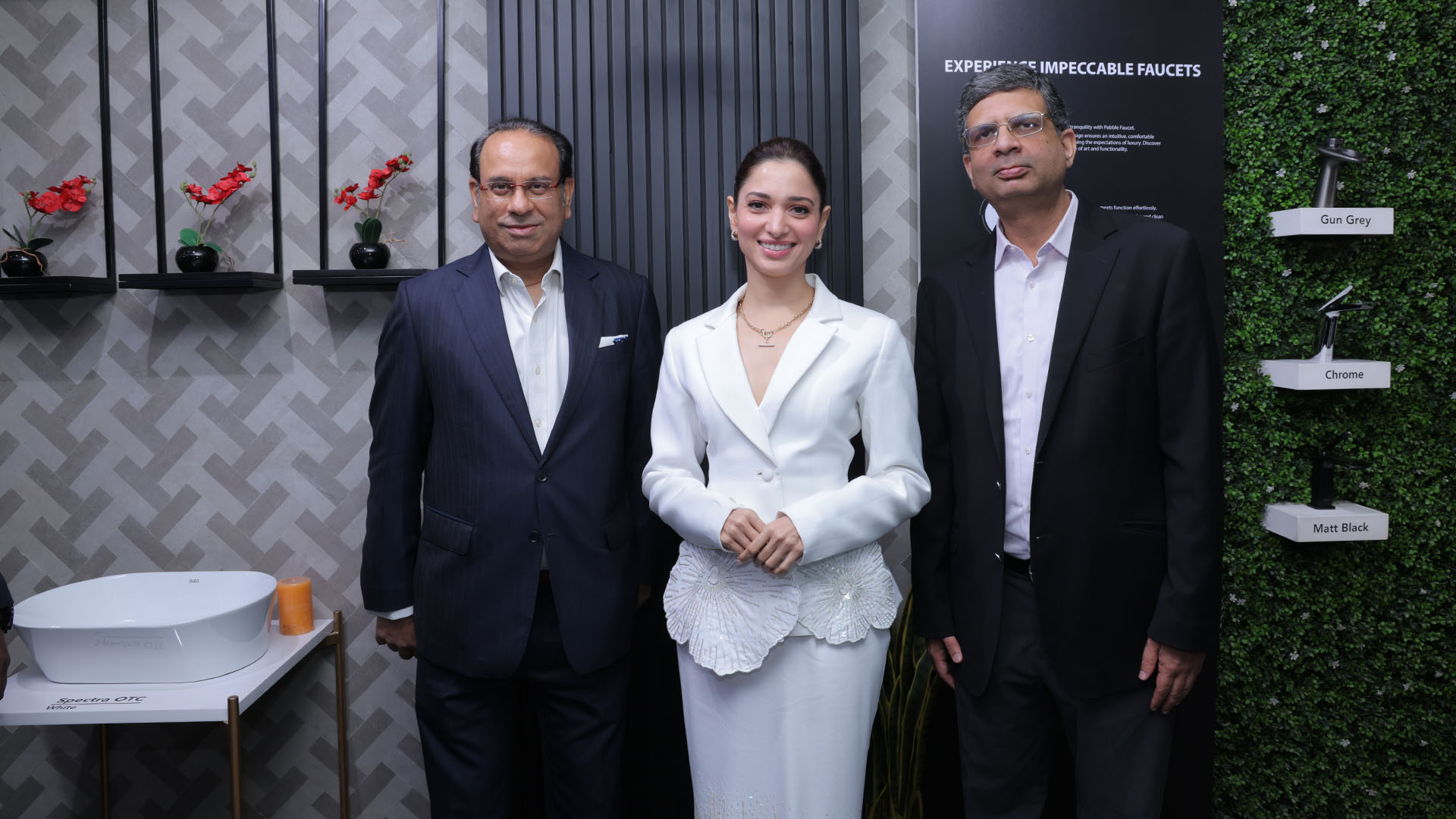
Our experiential centres have working models. So you can see all showers, wash basins and taps in the space working. know, when we say this will give you a high amount of foam, you can actually put your hand under it and see that the foam is high. When we tell you that the closets, the WCs will flush efficiently, you can come to the experiential centre and see what quality of flushing it is, how much noise it makes, how efficient it is, things like that.

Because these products are supposed to last for many years: 15, 20, 25 years, customers still wish to browse in person. It’s not a product that sells very easily through e-commerce platforms. People still want to touch it, feel it, look at it and understand from the dealer or the distributor whether it’ll look nice in their homes. We can even, for customers, take the dimensions of their bathroom, take what products they’ve chosen, and give them a glimpse of the final result on their laptop of how that bathroom will look. This way, they become more empowered to pick products in sync with their aesthetic. Our in-store experts help specifiers, architects and interior decorators understand our products, as some of them are quite technical. We need to explain the features in more detail, in person, so that they can communicate the same forward to clients and homeowners.

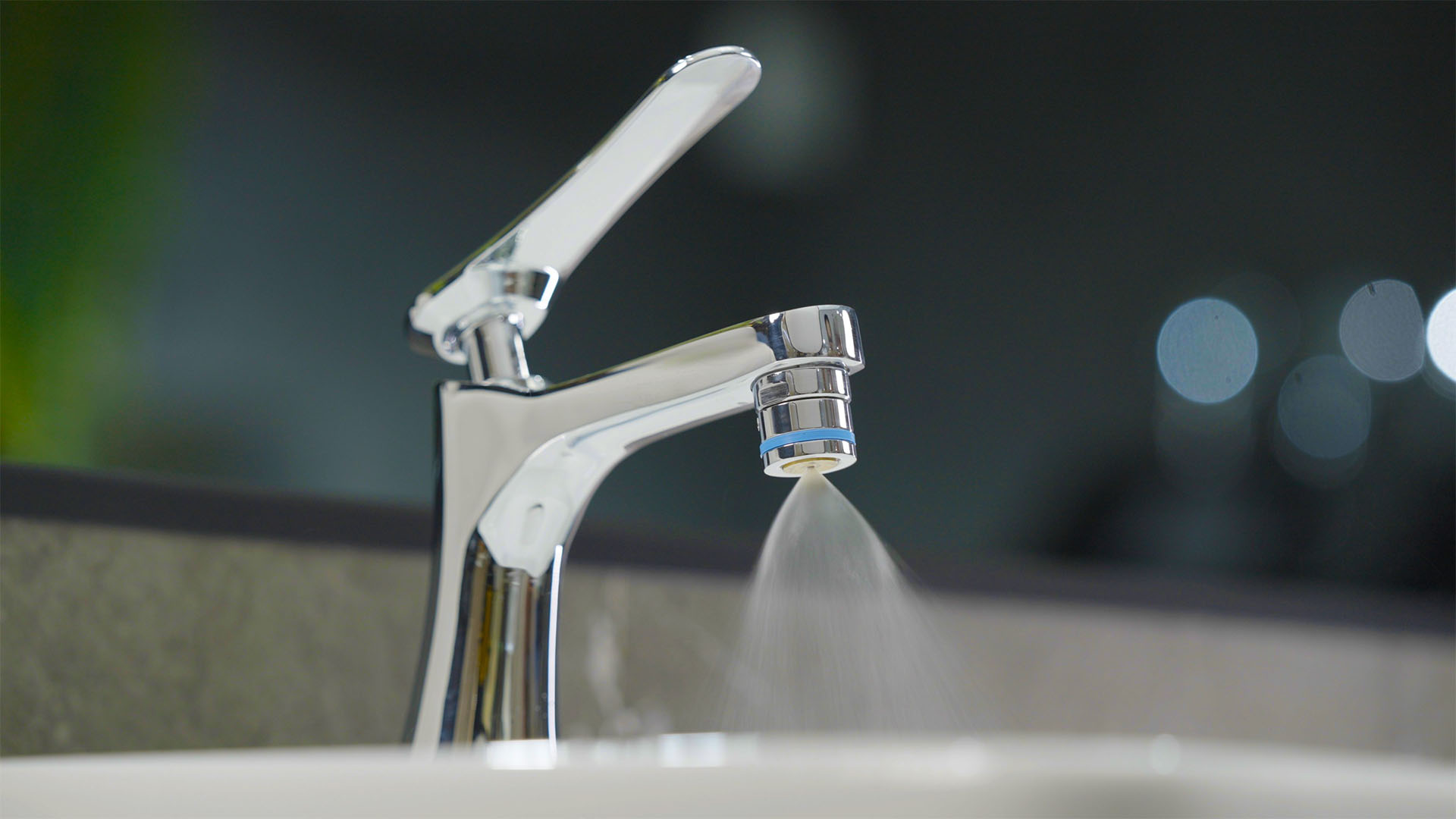
The Aqua Pro Nozzle in spray mode is designed to decrease water usage by up to 85%
Aqua Pro Water Saving Solutions includes three advanced nozzles aimed at transforming water usage habits

With sustainability, smart technology and wellness emerging as priorities, how is Hindware integrating these ideas?

At Hindware, sustainability and innovation have never been afterthoughts. They’ve been part of our DNA for decades. We were the first company in India to start requesting the government of India to reduce the water standards. Decades ago, the average flush, when you flushed the WC, used 15 litres of water. Hindware went to the government and asked them to reduce it. So it was reduced initially to 12 and a half litres. Now we have gone back to the government, to the Bureau of Indian Standards, which is the regulating body, and said, why don’t you lower the standard to four litres and make it two-four? Two litre half flush, four litre full flush?

We were the first company to introduce sensors in our urinals. Our men’s urinals save up to 28,000 litres of water per urinal per year because they only flush with 250 millilitres versus many litres in the earlier design. Our showers will give you the same experience. Many of our showers consume 20 to 30% less water. What do we do? We bring in more air, which is fresh, and mix it with a special technology with the water. The consumer does not come to know that the water being used is less. So the consumer experience is still the same, but we’re using 30% less water.

Of course, our plants and our factories do not discharge any air with any toxic material into the environment. 100% of our factories reuse 100% of the processed water. We do not discharge anything into the government drain except rainwater. Whether it’s our touchless faucet, our smart toilets, or our water-efficient solutions, they’re all designed to bring both comfort and mindfulness to modern living. So we are ahead of the curve in these matters. And we have always tried to invest in technology first and foremost. If you travel by the new Indigo aircraft, the A321 Airbus, the faucets in their loos emit a very fine water mist. It’s a 98% saving faucet attachment that can be retrofitted on any tap. You can buy this attachment from the company and even fit it on your 20-year-old tap!

Looking ahead, what design directions or material explorations excite you most?

I think there’ll be more electronics in our product category. I think that technology will further progress in showers and taps. There’ll be a lot more digitisation in the next few years. Also, some IoT features. You can programme your seat to start heating at 7 o’clock in the morning, because you normally go to the loo at 7.15. So, it will keep the seat hot. Things like that.

I also expect more play with materials. The ceramic will remain, but plastics will be integrated with more frequency soon, from silicone, ABS to polypropylene. I expect them to further expand. In terms of the faucet, we’ve already started using a newer material. Brass remains, but in the handles, we use a material which is called zamak: a zinc alloy which is lighter, has less weight, and is very long-lasting. I think as technology evolves — without compromising on benefits for the consumer, without compromising on the consumer experience — I think companies will experience and experiment with more materials, which are either environmentally more friendly, or pose better benefits for the customer.

Read more: 5 questions with Nerio Alessandri of Technogym

The Automate Imperial Smart Toilet is a sleek, tankless smart toilet with numerous future-forward features
SHARE THIS ARTICLE

You May Also Like

Watch

No results found.

Search
Close this search box.