Work has changed quietly, profoundly, and irreversibly. What emerged first as a shift in habit has now become a shift in philosophy: people don’t just work in offices anymore, they inhabit them mentally, socially, and emotionally. Which means the workplace can no longer be a logistical arrangement of seats, but a landscape that nurtures its people. It is with this understanding that the MillerKnoll India workplace in Bangalore has been re-imagined. The redesign embraces the philosophy of “Design with Impact,” a belief that workspaces should evolve in tandem with human needs, behaviours and motivations. Throughout the floor plate, the architecture responds not only to the functional requirements of business but to the shifting rhythms of modern work, like collaboration, solitude, pause, social bonding, and well-being.
Design with impact
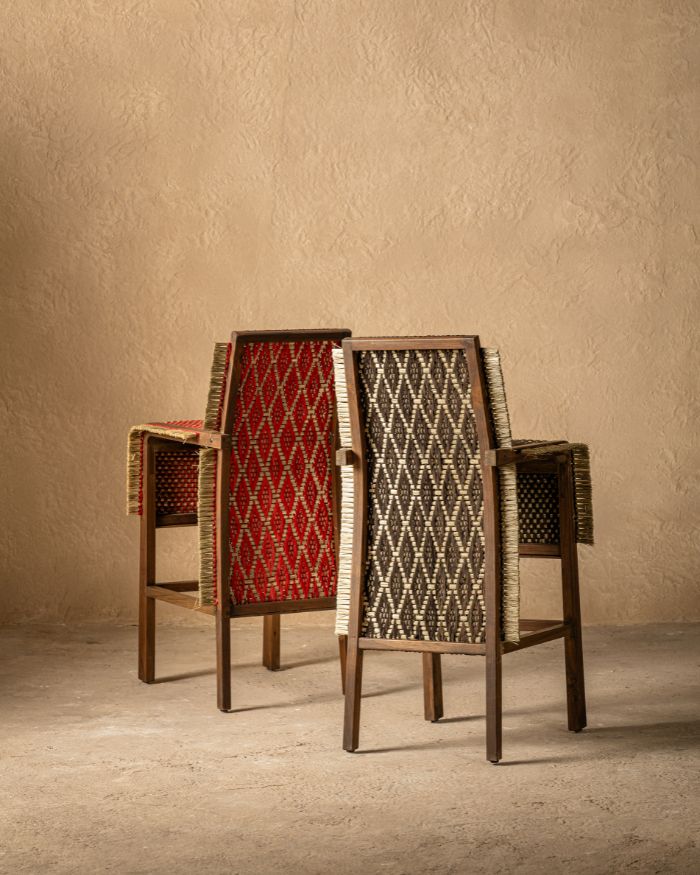
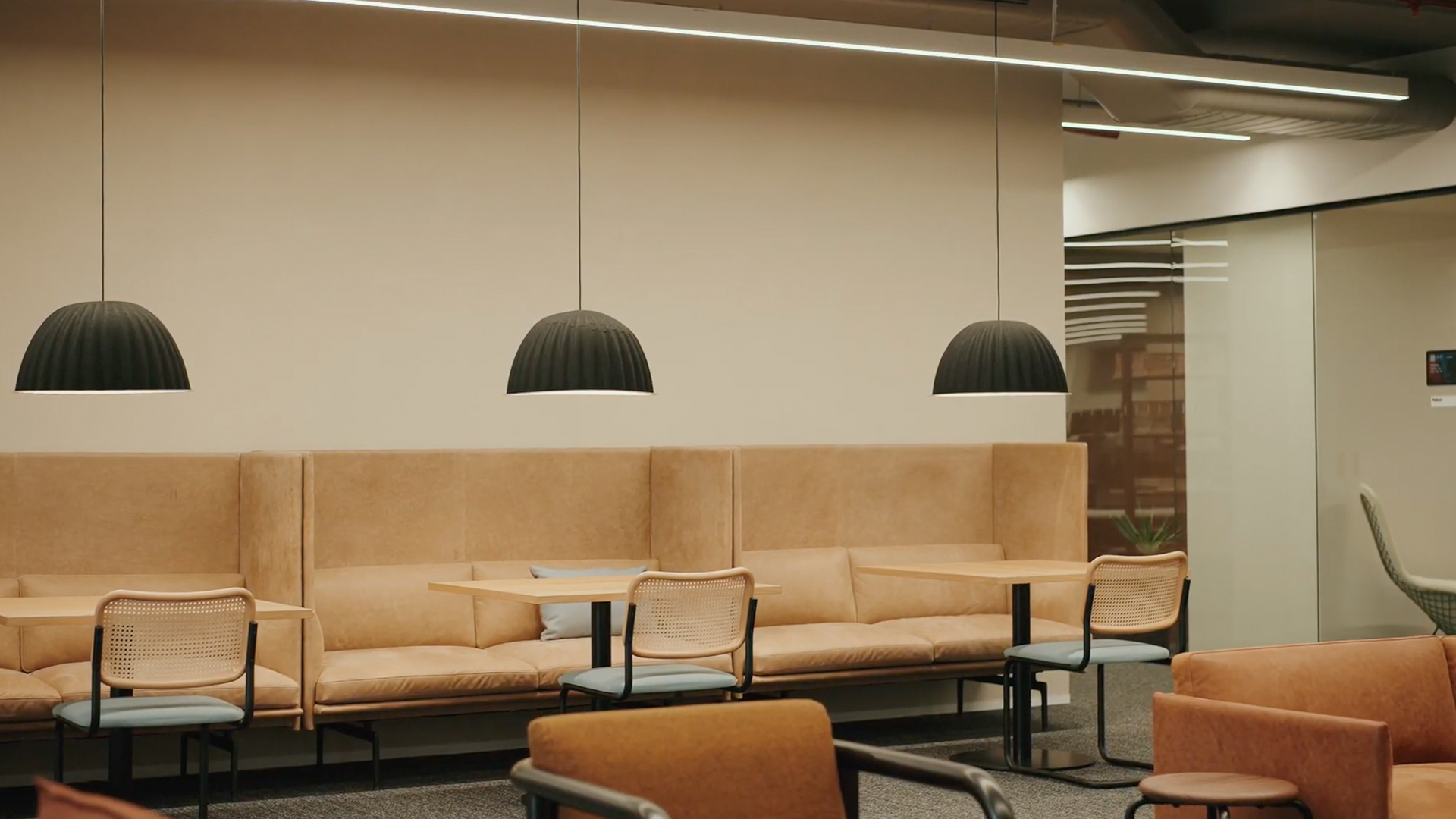
Natural light becomes an architectural protagonist, flowing generously across lounges, workstations, meeting rooms and open terraces. These outdoor pockets, unusual yet essential in an urban workplace, create a soft blur between nature and work, giving employees the autonomy to breathe, reset, and think differently. The environment encourages a pace that is efficient yet never rushed. Ergonomics remains one of the strongest pulses of space. Across the workspace, iconic furniture by Herman Miller, Knoll, NaughtOne, Muuto, spinneybeck | Filzfelt, Geiger and Colebrook Bosson Saunders are thoughtfully woven into settings that invite intuitive comfort. From task chairs engineered for long hours of support to collaborative seating that eliminates hierarchy, furniture becomes a catalyst for wellbeing rather than just a utility.
Finding Susegad
The design is laid out as a thoughtful choreography of privacy and connection. Open workstations hum with shared energy, while quiet zones and enclosed pods sit nearby, offering refuge for heads-down focus without disconnecting teams visually or spatially. The workspace supports the modern reality that concentration and collaboration are not opposites; they are interdependent rituals of meaningful work. Meeting rooms, casual lounges and touchdown spaces are placed with intent where ideas don’t always arrive at a desk, and design shouldn’t assume they will. Breakout zones encourage spontaneous dialogue, the library corners invite deep thinking and café-style seating sparks informal exchange. Every area has been imagined reflecting the way work truly happens: fluidly, socially, and sometimes in silence.
A modular workplace
What ties the space together is modularity. The layout can evolve with the organisation, expanding, compressing, rearranging, and adapting without disruption. It is this future-ready flexibility that makes the workspace not just a project of today, but a blueprint for tomorrow. Ultimately, the MillerKnoll India workplace is not a showcase of design, but a demonstration of the belief that the places people work should care for them as much as they care for the work they do. Here, productivity is not extracted; it is nurtured. Wellbeing is not a feature; it is foundational. And work is not a destination; it is a human experience, thoughtfully designed.
Read more: https://www.millerknoll.com/en-in