
What does it mean to create art when history, body and belonging refuse to arrive whole?
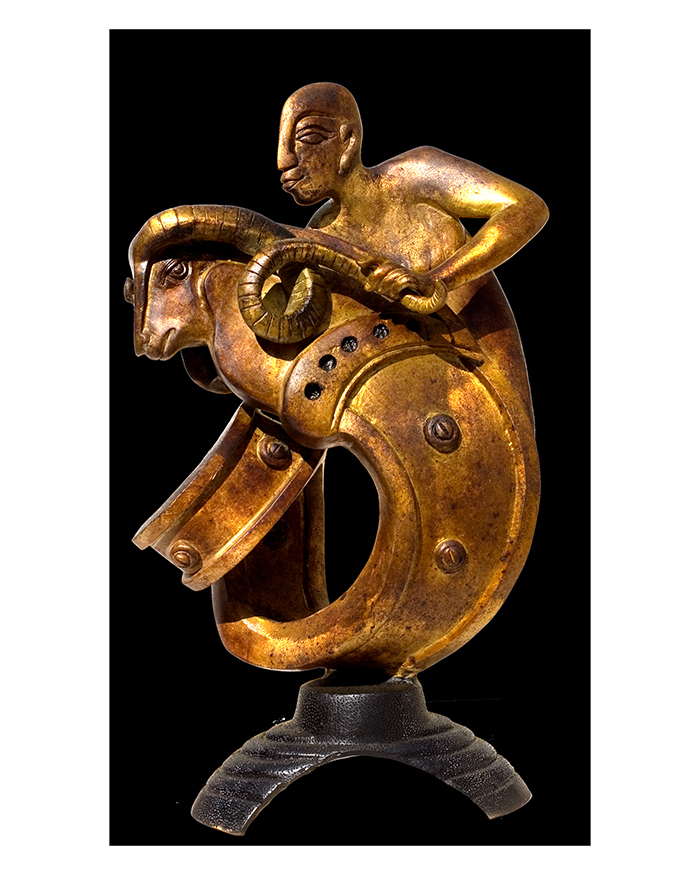
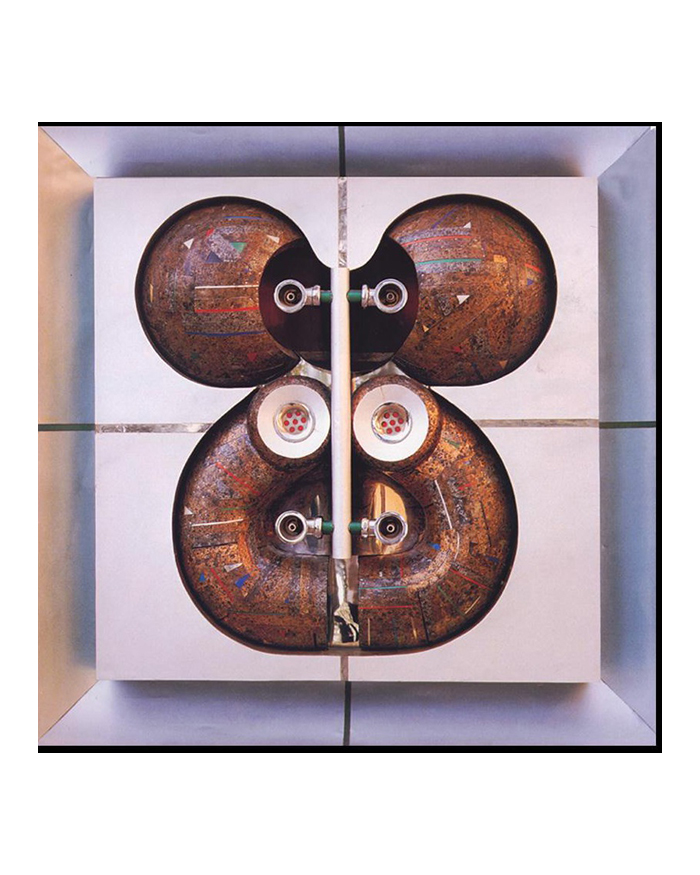
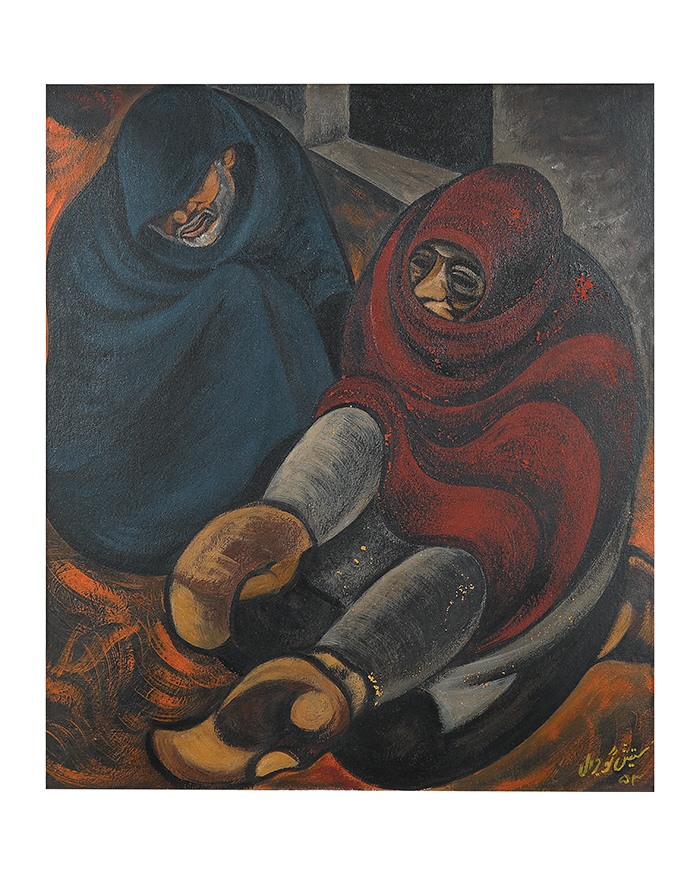
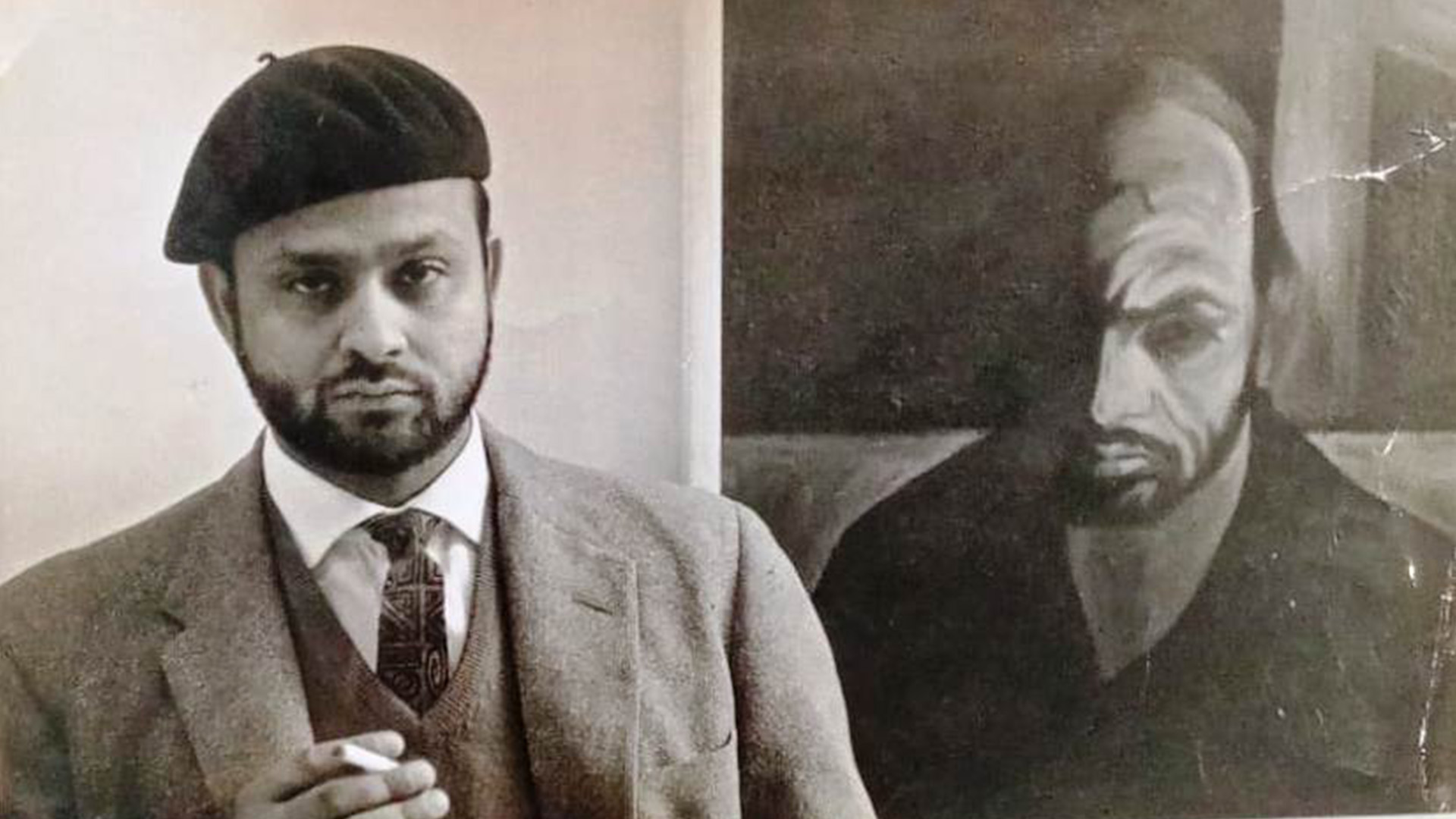
A painter, sculptor, muralist, architect, writer and visionary, Satish Gujral was a modernist artist who worked across disciplines with an instinctive understanding of how art holds memory. 2025 marked the centenary of Satish Gujral, whose work stemmed from personal and national upheaval. Born in Jhelum, pre-partition Punjab, in the year 1925, his life was debossed by rupture, almost as if he were a living irony. The trauma of partition, a hearing impairment and the tardy recovery of it, all sharpening a heightened inwardness that found an abode in his work. His time in Mexico, in the early 1950s, as an apprentice at the Palacio Nationale de Belles Artes under Diego Rivera and David Alfaro Siqueiros, introduced him to muralism as a public act and architecture as an extension of art. This trip profoundly influenced his work in murals, mainly in mosaic and ceramic tiles.
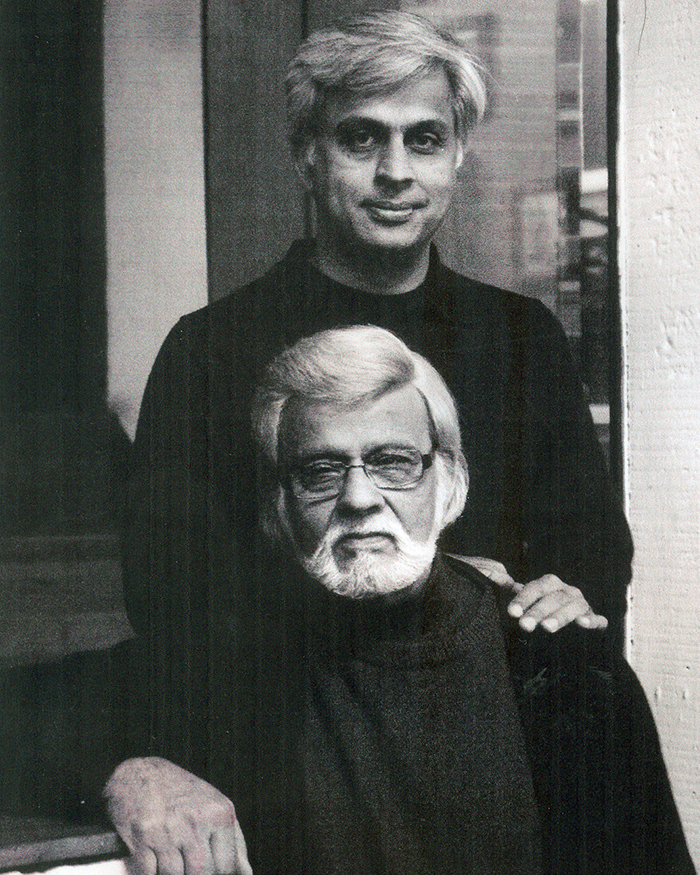
Central to this journey was his wife Kiran Gujral, who also imprinted on his material world. His son, Mohit Gujral, went on to assist him in a series of eminent architectural projects like a farmhouse for Faisal of Saudi Arabia, a residence for the Prime Minister of Bahrain, the Indian Cultural Centre at Mauritius, the Indian Embassy at Kathmandu, the Embassy of Belgium in New Delhi, the CMC Research Centre in Hyderabad and Dr. Bhimrao Ambedkar Samajik Parivartan Sthal in Lucknow. Marking his centenary, a curated series of exhibitions and public programmes unfold across India, mapping Gujral’s creative journey from his early mural practice to a distinctive modernist language, and from artist to architect in his own right.
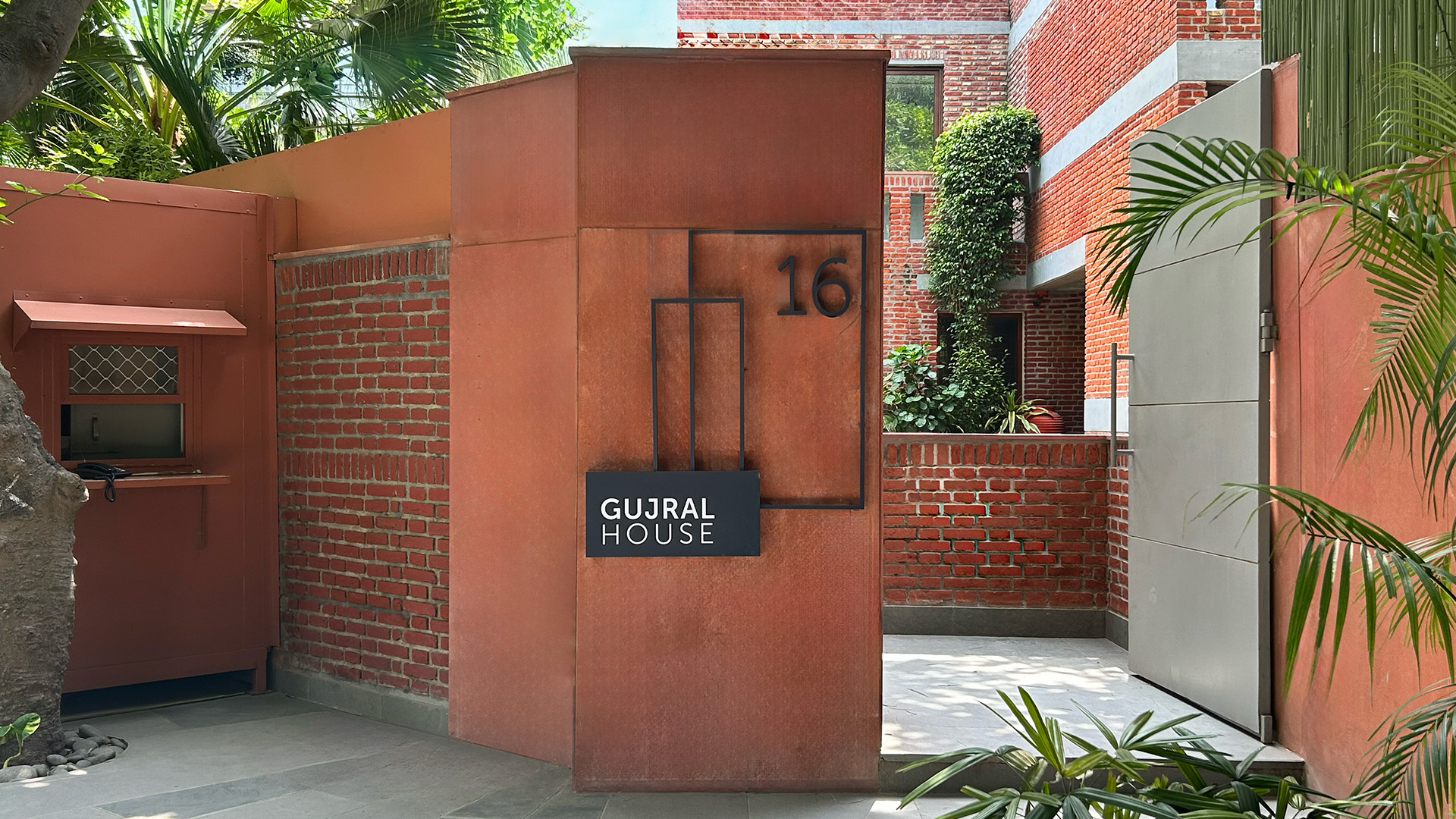
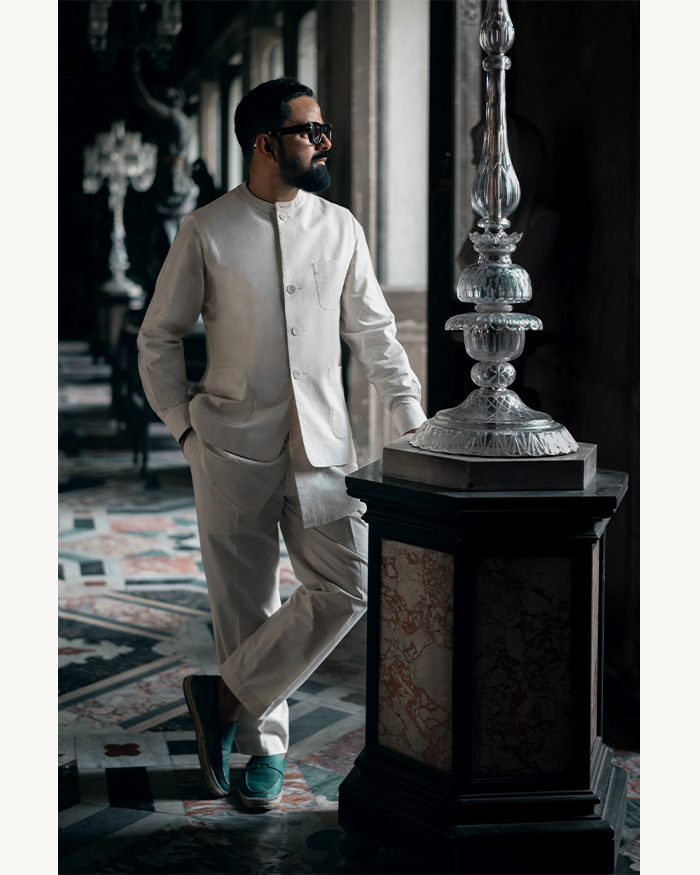
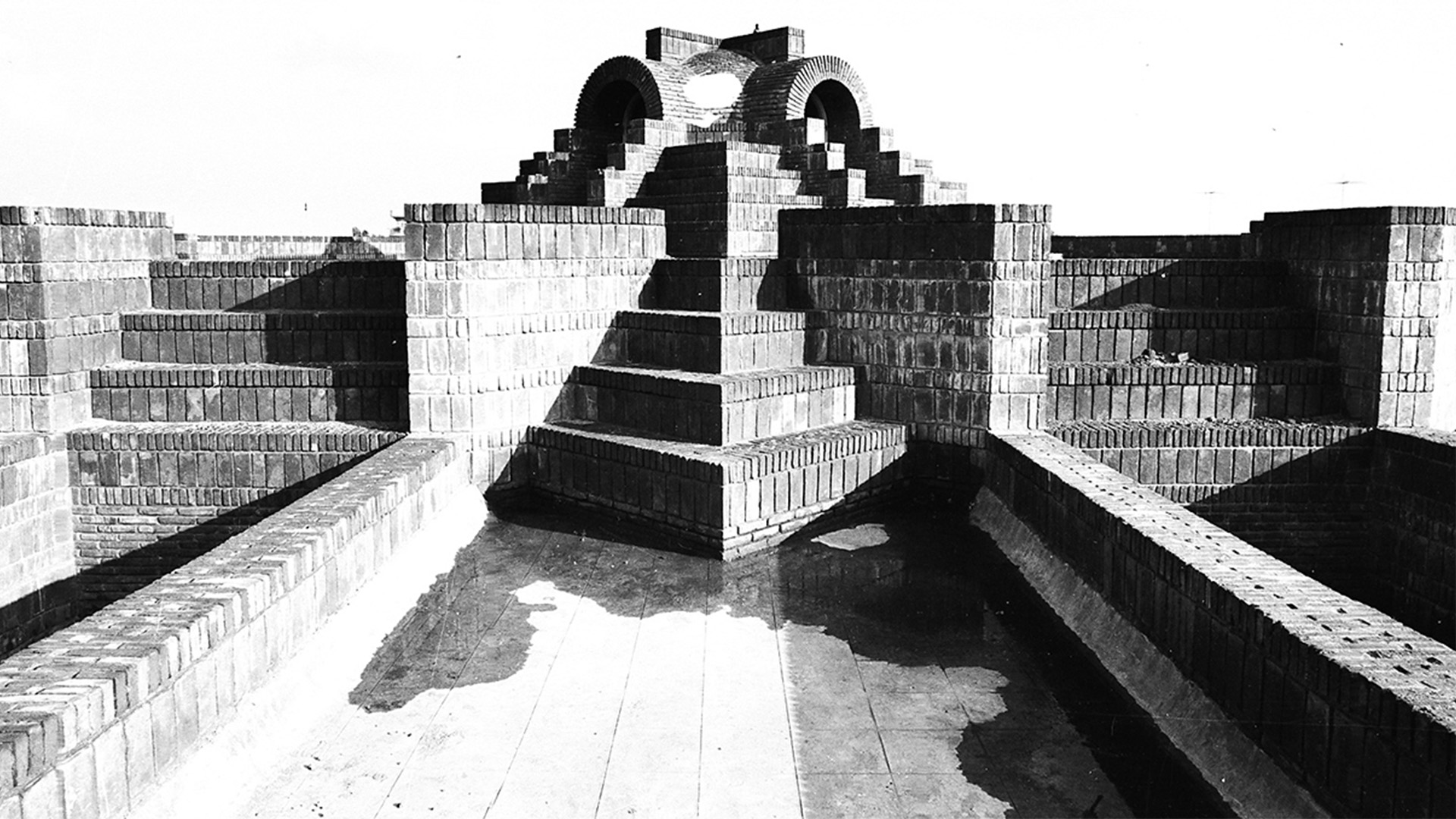
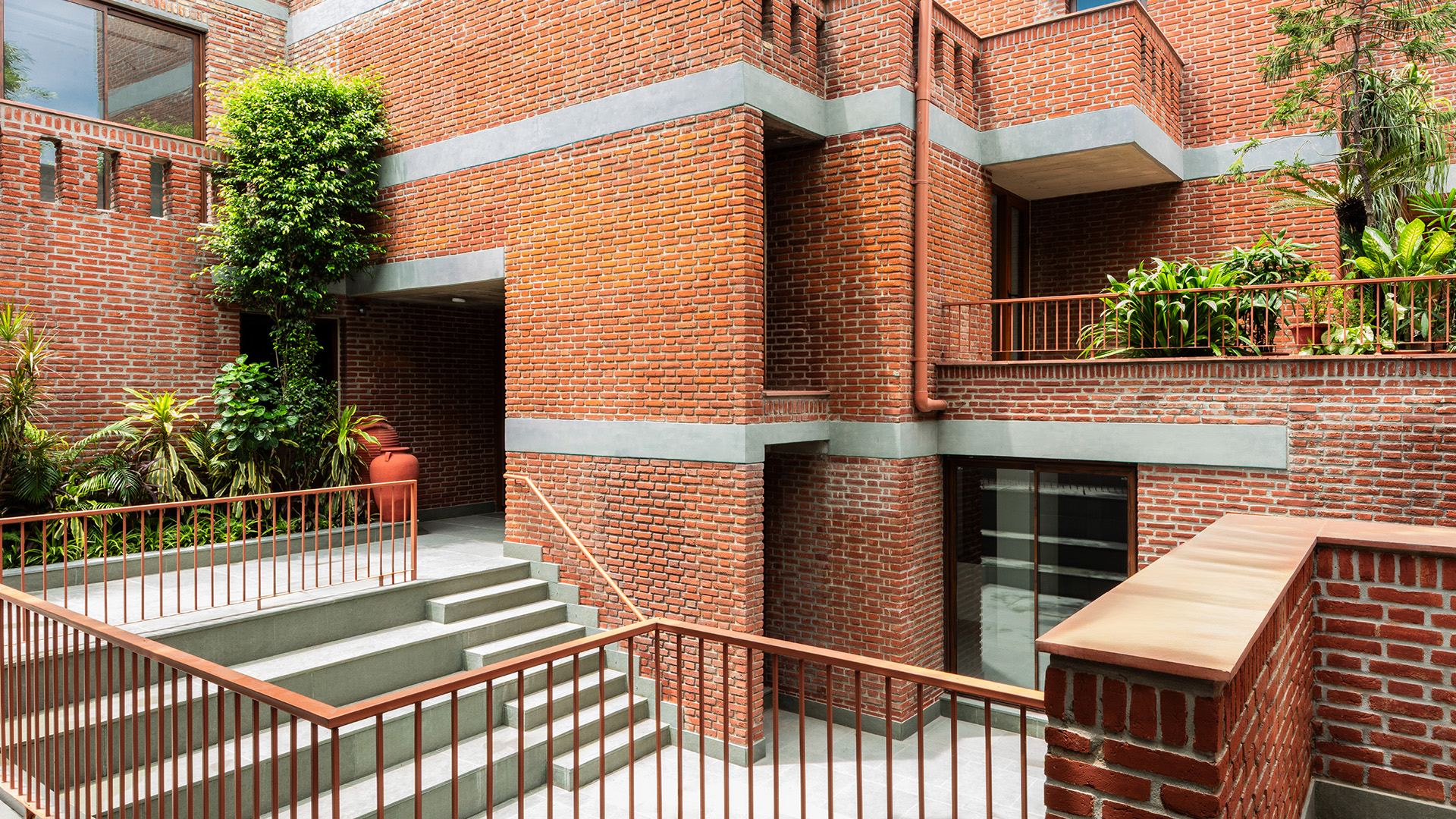
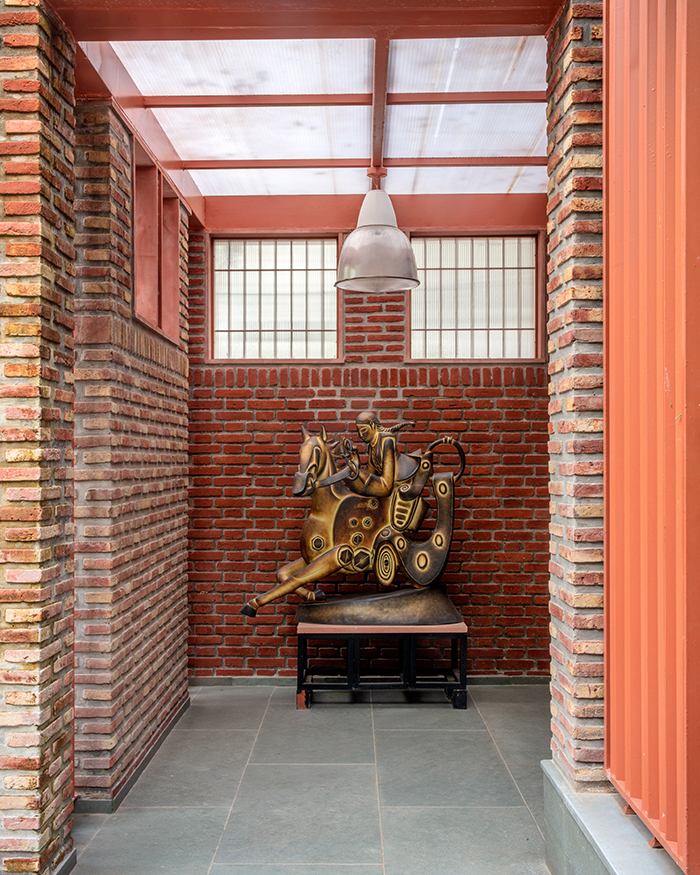
His vision comes into full view at Gujral House in Lajpat Nagar, New Delhi. Originally conceived by architect Raj Rewal and later reshaped by Satish Gujral himself, the house stands tall through evolution as a structure that permeated conversation and time. Restored in 2025 by Mohit Gujral, the Gujral house opens to the public as it becomes a site for the various moods and mediums of Satish Gujral, under the stewardship of the Gujral Foundation. This unclad red-brick home will house various architecture and design exhibitions, talks and satellite events during the India Art Fair.
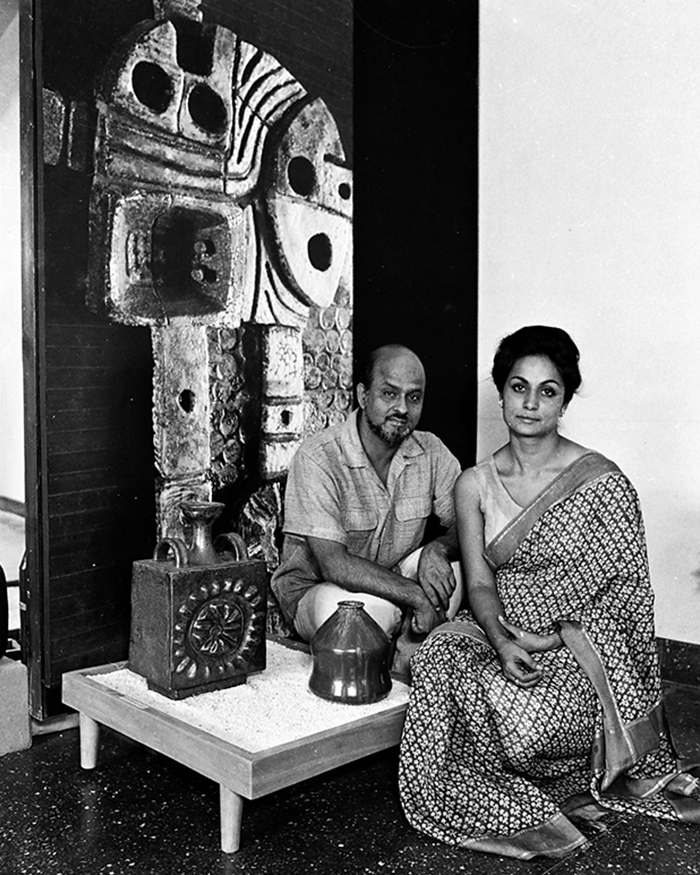
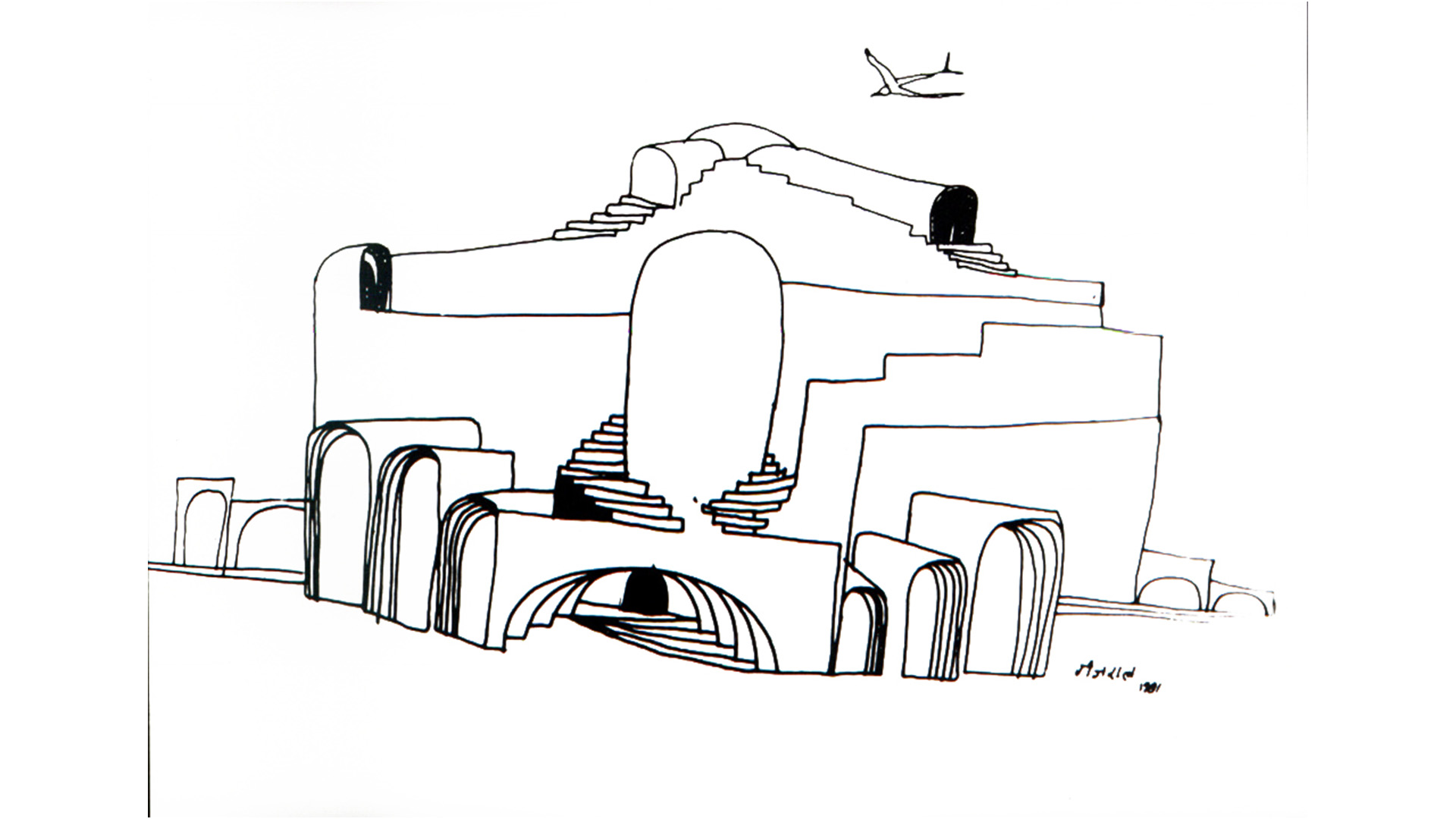
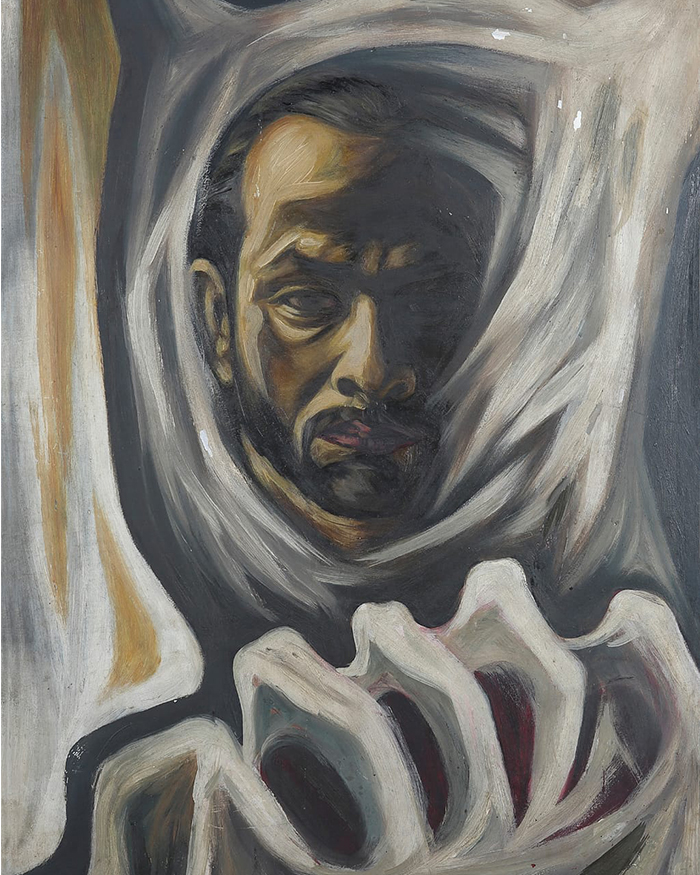
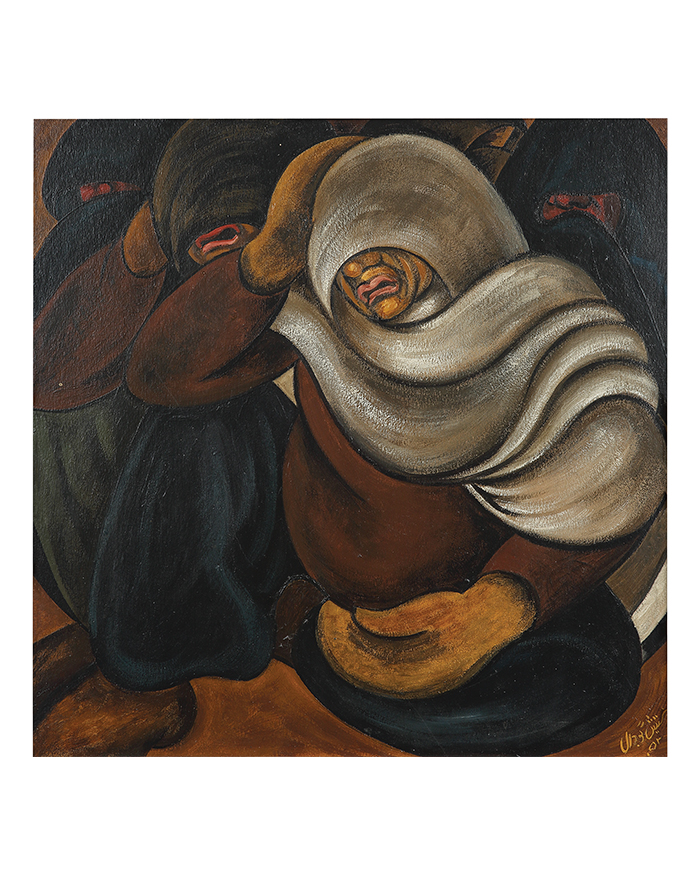
At the National Gallery of Modern Art (NGMA) in New Delhi, a major retrospective curated by Kishore Singh offers a wide lens on Gujral’s seven-decade-long practice in this field. Opening from January 16th to March 30th 2026, the exhibition traces the moments that shaped his artistic language, foregrounding his engagement with material and surface. Gujral’s studio, long described as a space of silence, became a site of inward listening where solitude sharpened his perception and observation replaced the missing sound. His work moves fluidly between registers of playfulness and severity, deeply personal yet resonant with collective memory. Kishore’s curation situates Gujral’s paintings within the urgency of a newly independent India, mapping how global encounters were absorbed without dilution, and how modernism was shaped from within. The exhibition resists spectacle, allowing Gujral’s work to unfold through nuance, revealing an artist who remained firmly Indian in outlook while speaking a language that travelled beyond geography.
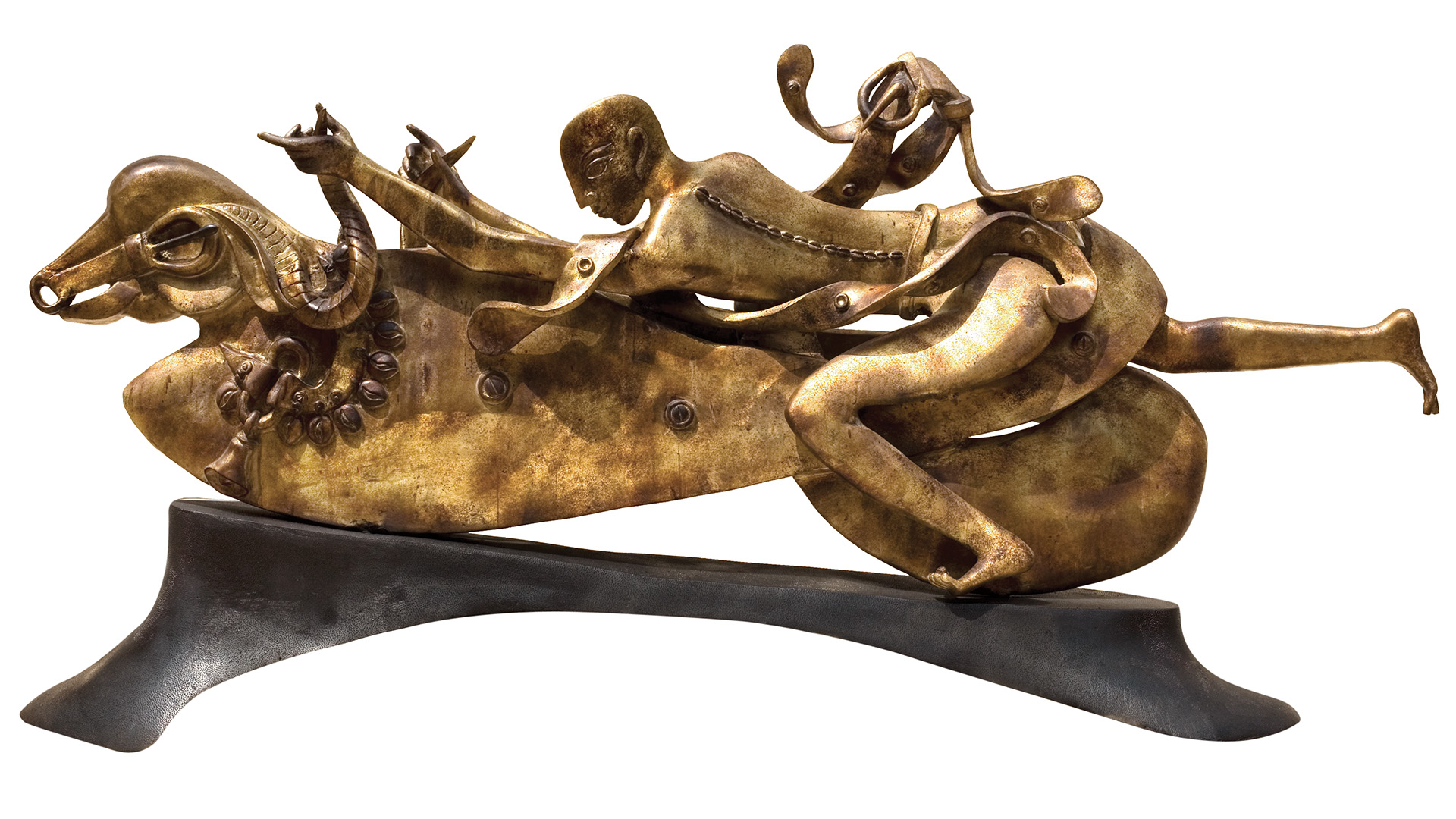
Running alongside is an exhibition at the Gujral House curated by Rhea Sodhi, January 31st onwards, which shifts focus to Gujral’s architectural thinking and its relationship to domestic life. Here, architecture is positioned as a continuum of his artistic practice. The Gujral house becomes both an archive and a framework, revealing how Gujral treated space as a response to the life he lived. Rhea’s curation encourages a slower engagement, where thresholds, corners and pauses matter above all. The exhibition foregrounds collaboration and inhabitation, recalling a home that once welcomed artists, writers, musicians, and architects as participants.
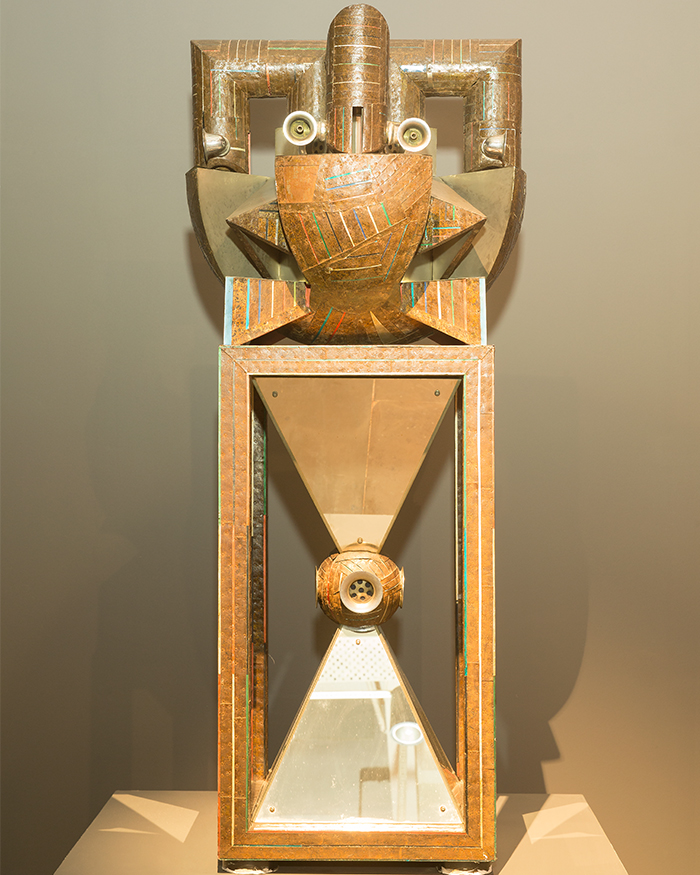
Together, the two exhibitions construct a layered portrait of Satish Gujral that resists closure. Rather than looking back in reverence, they place his work firmly in the present, reminding us that legacy, like space, remains alive only when it continues to be inhabited. The retrospective at the National Gallery of Modern Art, New Delhi, remains open for viewing from 16 January to 30 March 2026, and the parallel exhibition at The Gujral House shows from 31 Jan to 15 March 2026. Apart from this, the pan-India celebration of Satish Gujral also includes a book launch of ‘Masterpieces’ at the Jaipur Literature Festival 2026, an installation dedicated to him at the Indian Art Fair, architecture and design showcases at CEPT, Ahmedabad, retrospectives at NGMA Bangalore, and a concluding exhibition at the National Museum, Chandigarh, Gujral’s city of origin.

BY
ELLE DECOR
No results found.