What distinguishes Kochi from museum projects?
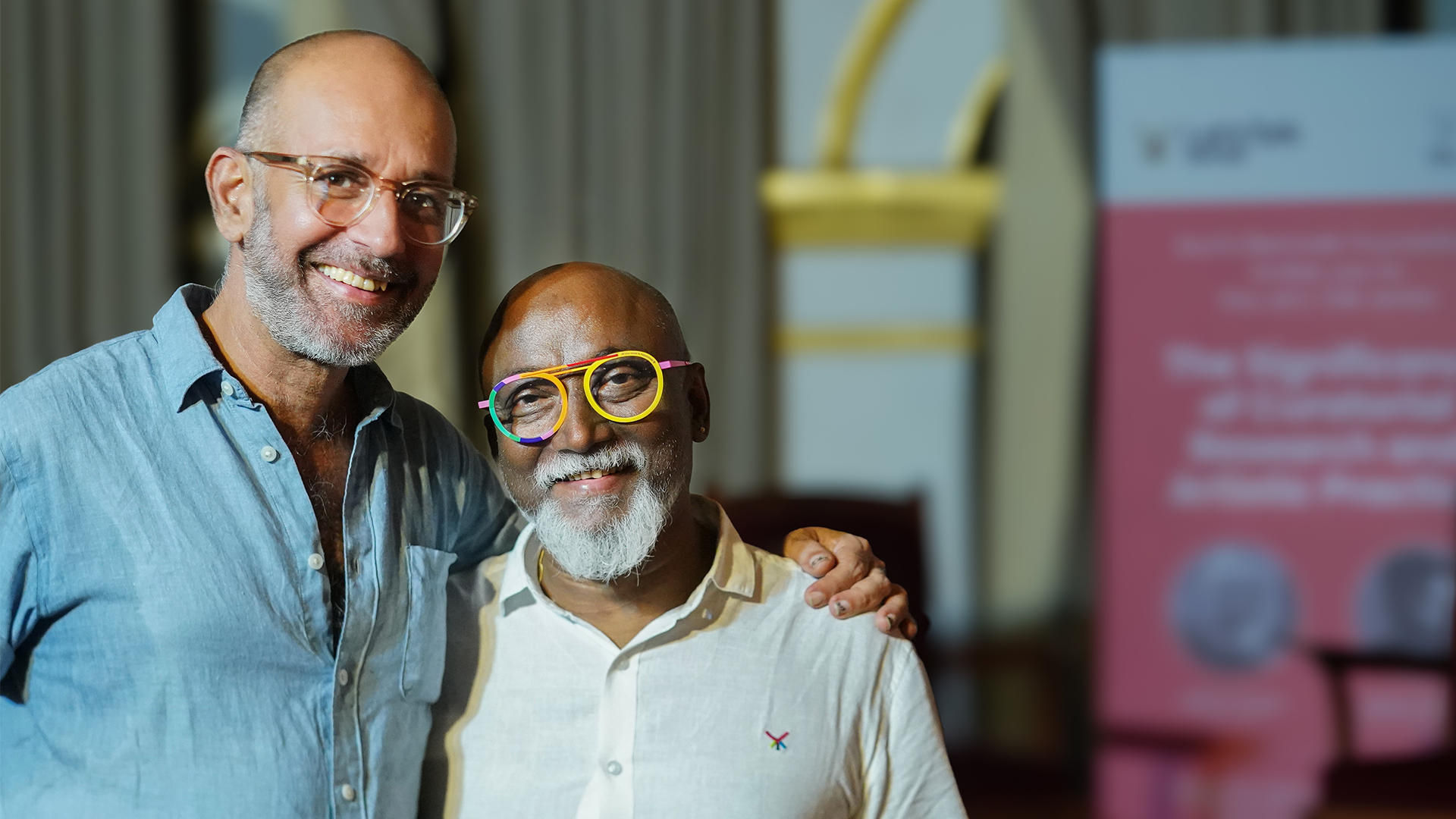
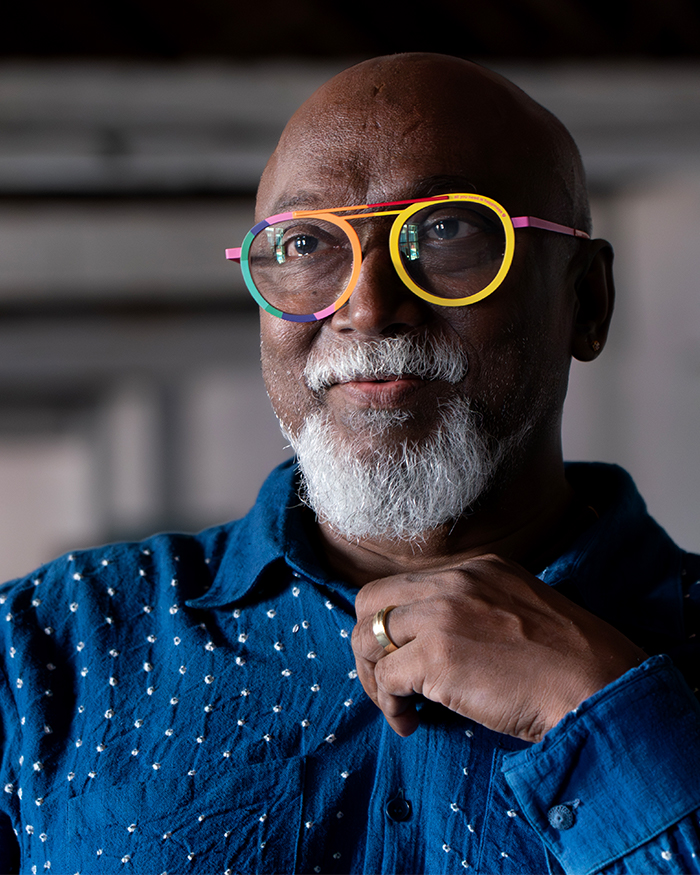
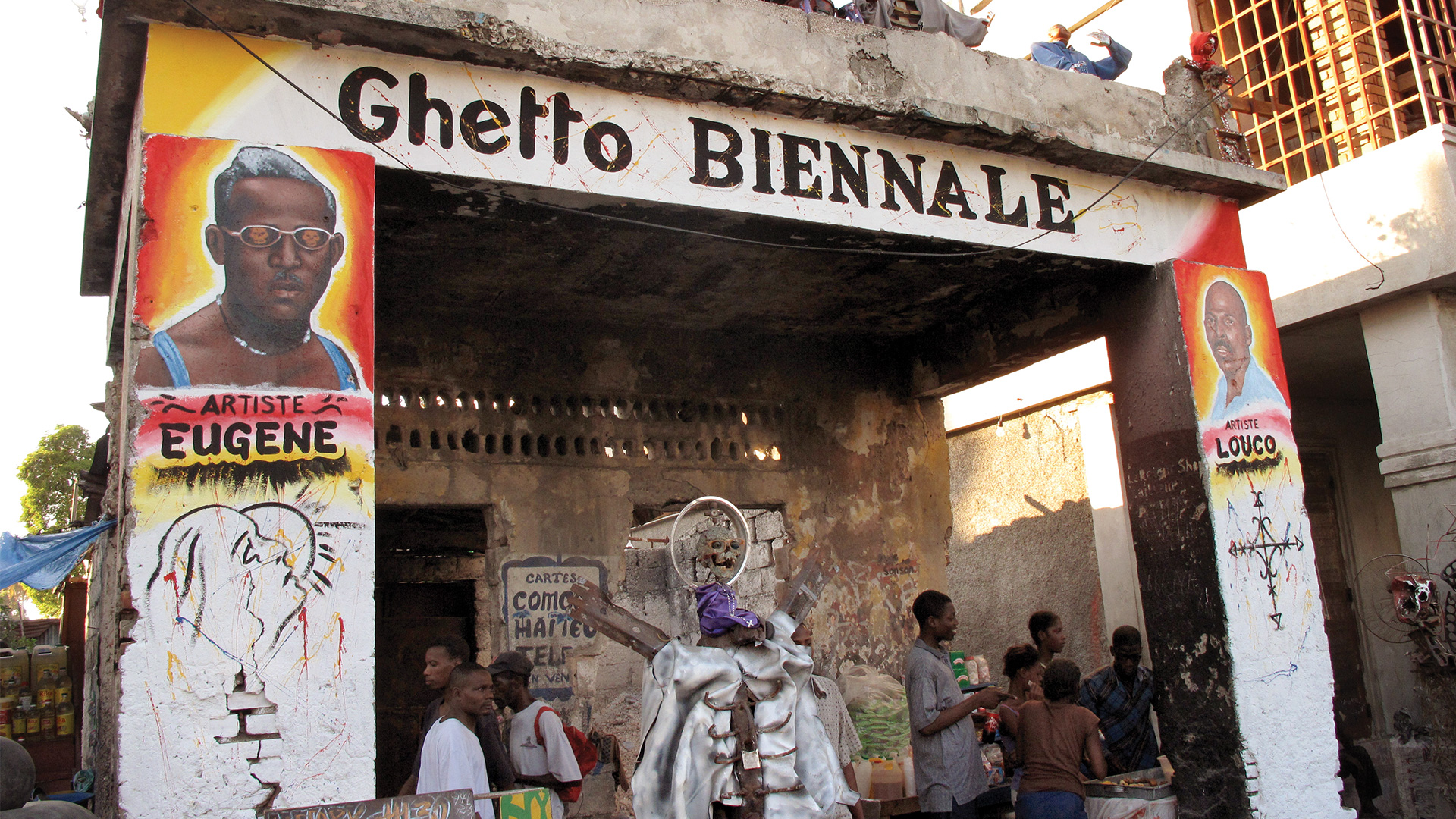
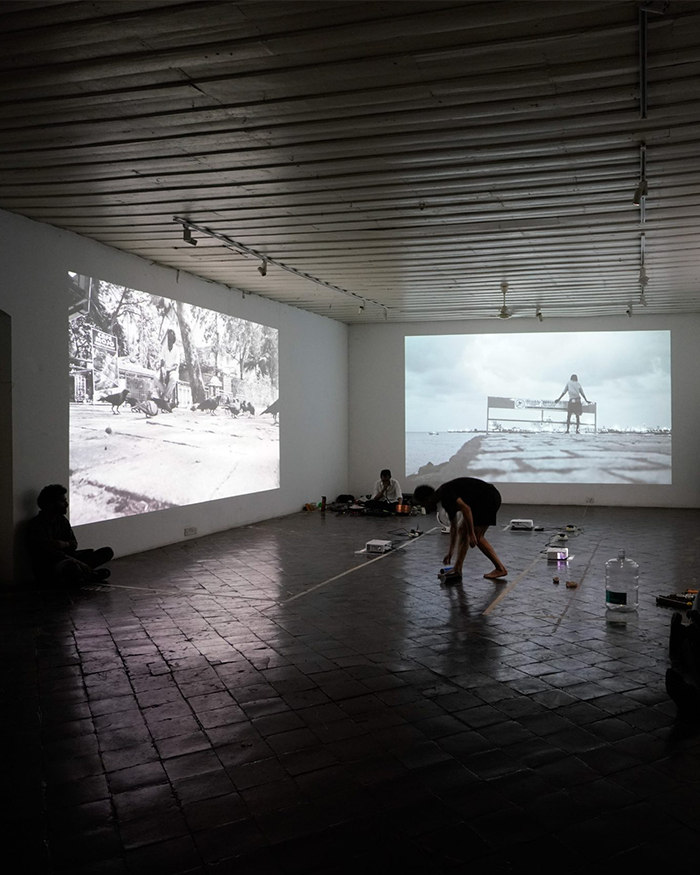
NC: We are not against white cube or climate-controlled spaces, but a Biennale is exploration. Kochi’s difference is that it is curated by artists. Artists understand location better than curators. Thinking and practice must go hand in hand. Kochi offers conversations across many languages and a bounty of craft, sound, poetry and cuisine to work with.
How do you define the role of an artist today?
NC: Everyone can be an artist but not everyone is. You must sensitise yourself to what can become art and create meaningful contexts. The Biennale’s educational practice opens opportunities. Society trains us out of our creative selves by putting us into systems of statistics and engineering. Choosing to be an artist is a conscious act that reminds others of that potential.
Who is a curator and who is an artist?
NC: I can only speak as an artist reacting to an invitation to organise, to gather, to bring together and present together. An artist can be an interlocutor or conductor.
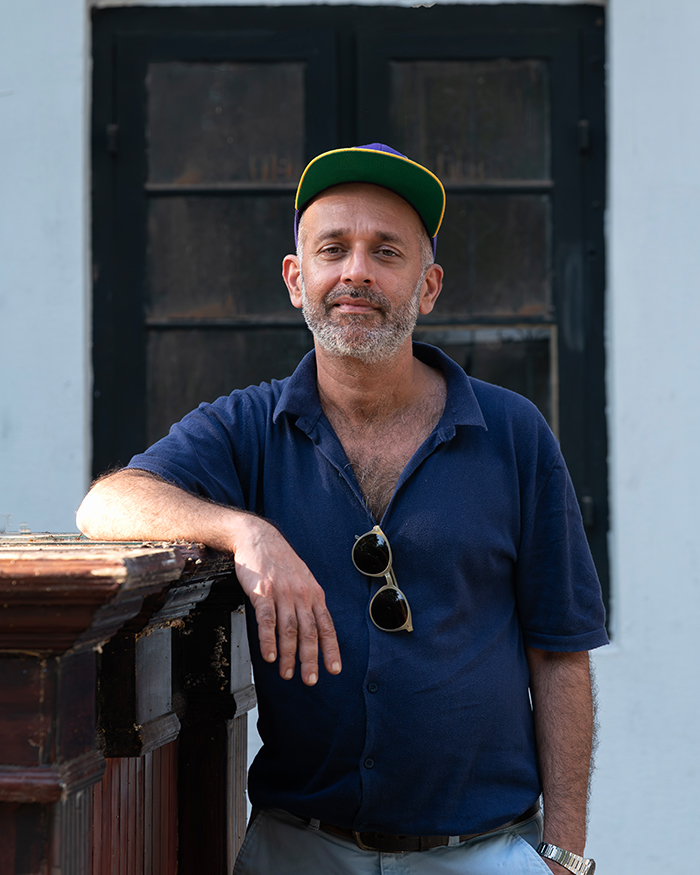
BK: Everybody curates, but at the same time, nobody is a curator. Unless you are a generous person, you cannot be a great artist, architect, sculptor or designer. You must understand the other. I believe a great curator is a great artist.
NC: An artist is also in the business of arranging things. When extended out of a studio, it becomes curatorial work. And I think the word curator has come into the fore only 20 years ago, before that, most people did not know what it meant.