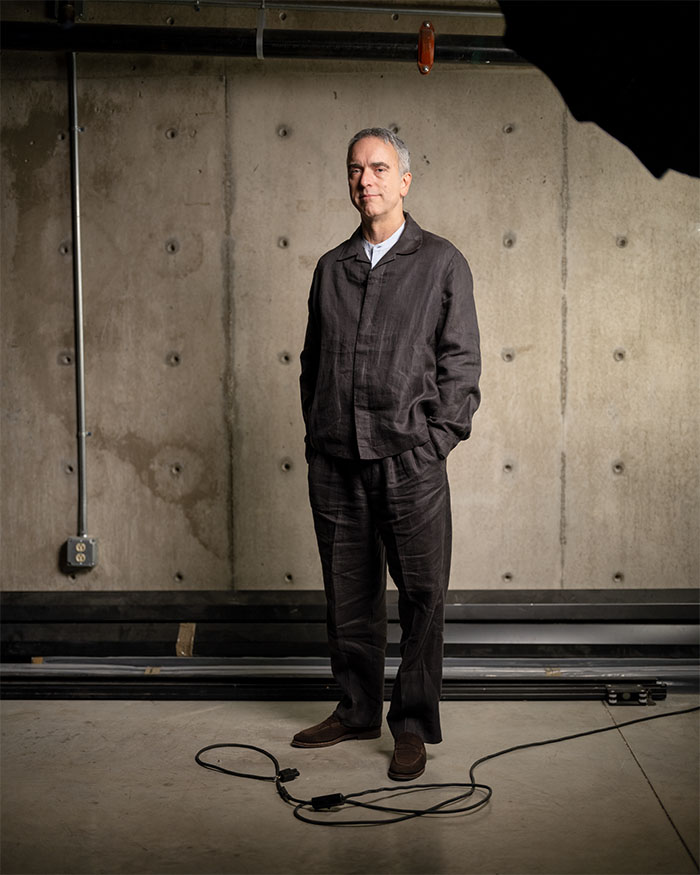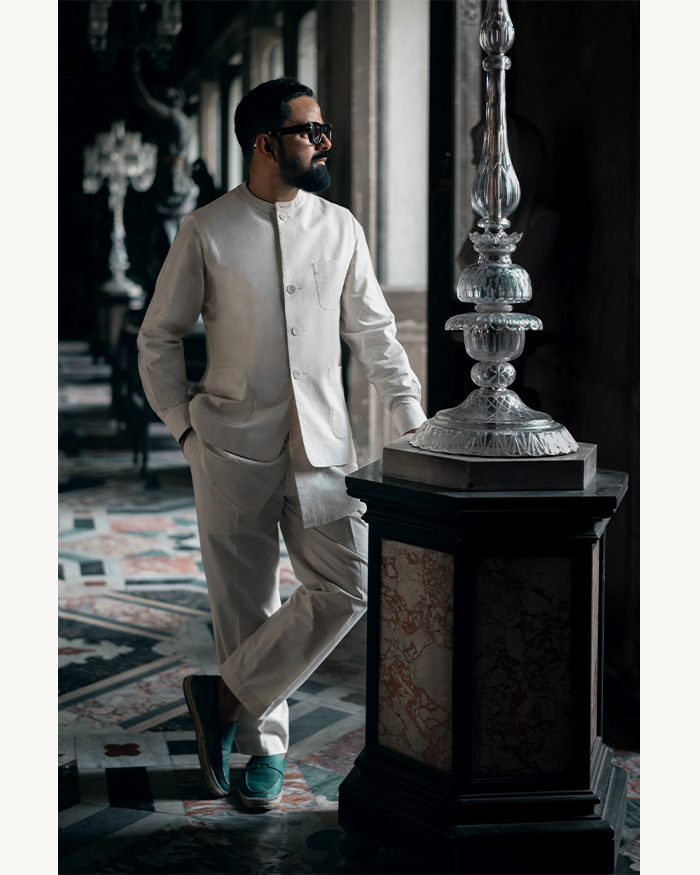
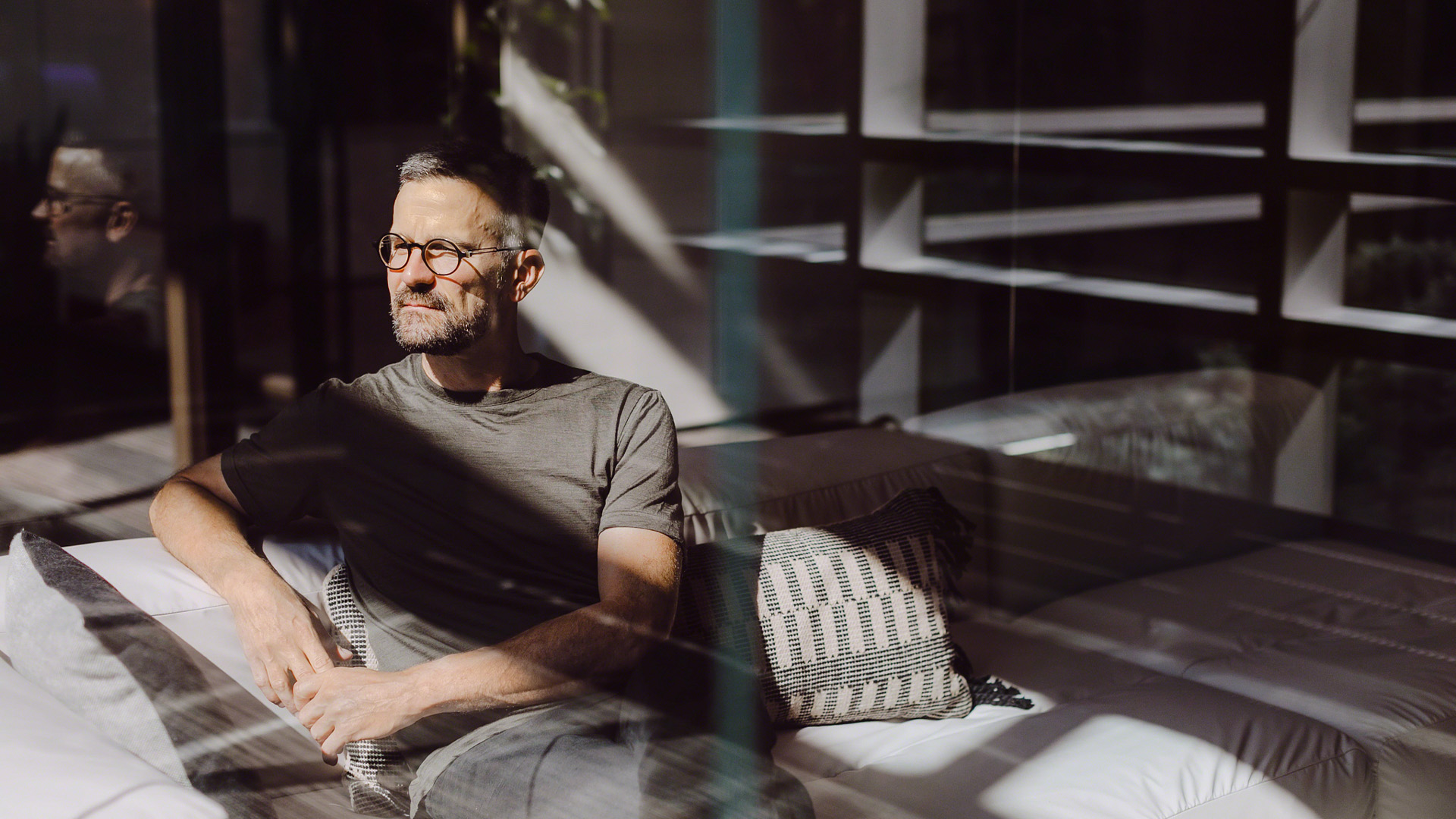
When visionaries speak, it is a moment of wisdom that demands attention. That dynamic defined the moment Michael Held, VP of Design at Steelcase Inc. shed light on the future of work, mobility and collaboration.
As the global face of design leadership, Michael focuses on innovation through action and conviction. He talks about the Indian energy that includes liveliness, food and the versatility of the country and urges one to soak it in. Scroll to read the full conversation!
Steelcase research has pointed to India’s young, tech-savvy workforce as a major global driver. What specific workplace behaviours or design aesthetics have you seen that feel unique to the Indian market, and how do they contrast with what you’re seeing in Europe or North America?
India is such a great place to visit and get to know the people, eat all the delicious foods and simply soak in the energy. It’s clear to me that people thrive on collaboration, love a competitive challenge and are very creative in solving problems. I am amazed by the many forward-looking and innovative uses of technology, often contrasted by very authentic local flavours and design inspirations. The energy is high, and the change is constant. Perfect conditions to prototype the future.
The global shift to hybrid work has forced a crisis of purpose for the physical office. If the old office was a container for work, what is the new office? As a design leader, how do you create products and spaces that build abstract concepts like ‘company culture’ and ‘belonging’ when people aren’t all present at the same time?
The office is the best place for a company to build and engage its culture. We often refer to space as the body language of an organisation. And while we can’t build culture or belonging as such, we believe our products can best enable and support diverse communities and their neighbourhoods within our customers’ spaces. Our inclusive solutions are technology agnostic. They enable organisations to utilise the best tools and technologies for their teams to connect, engage and collaborate wherever they are.
Steelcase’s 2025 Impact Report heavily emphasises commitment to circular design and a net-zero future. As a designer, how do you navigate the inherent tension between the sustainable goal of “designing less” and the commercial need to create and sell new products? Can you give a specific example of how a circular mindset changes a product from its very first sketch?
Good design has always been concerned with choosing materials well, doing more with less and making sure that products are useful for a long time. For us, “designing less” is a creative constraint rather than a contradiction. A circular mindset challenges us to imagine not just a static object but solutions that will inevitably live multiple lives, either through their adaptability, repair, re-manufacturing or recycling. Modular systems, designed for disassembly and circular services, are key to designing better, not more.
As workplaces become “smarter”—tracking space utilisation, monitoring biometrics and sensing presence — how do you navigate the critical tension between designing an ‘intuitive’ office and protecting an employee’s fundamental right to privacy?
Our products aim to be the best hosts for the technology our customers choose to enable their people and teams. We all love convenience and the right support at the right time, but we also need to trust the systems enabling that. We believe a space can be “smart” without becoming intrusive if it is built on transparency and empowers all users. In practice, this can mean designing for opt-in vs opt-out approaches and anonymising collected data.
You’ve mentioned in the past that you’re inspired by “creatives on the fringes.” As you look at the dynamic, fast-growing Indian market, what ‘fringe’ idea or local innovation have you seen here that you believe has the potential to influence global workplace design in the next five years?
The competition here is fierce but also highly collaborative. The younger generations are also making a lot more conscious choices and are outspoken about their expectations. Ideas like community-led workspaces that truly deliver on belonging are not necessarily new, but I believe India is uniquely positioned to influence the global workplace with a more holistic and mindful approach.